
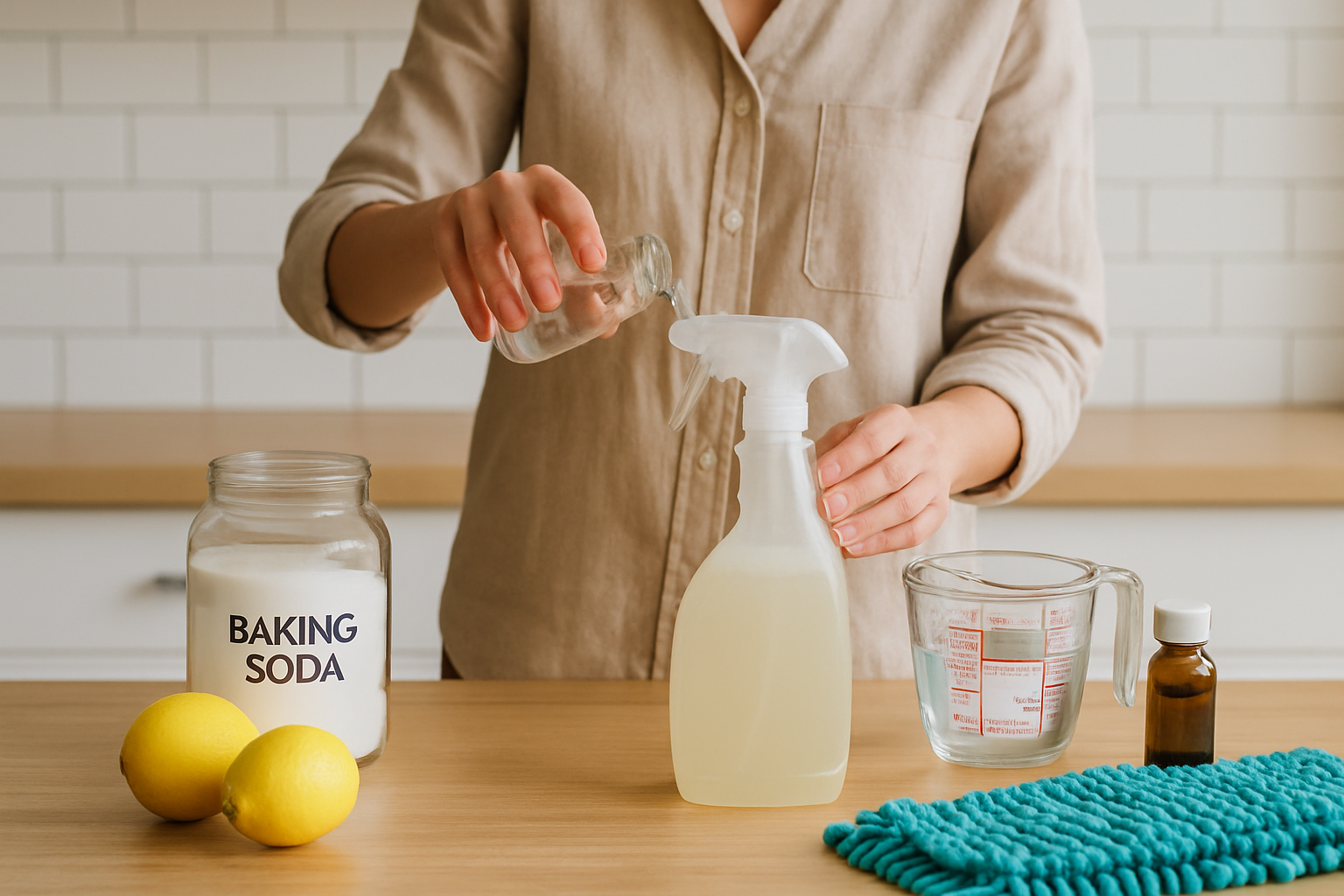
How to Make Floor Cleaner Liquid at Home: A Simple Guide
Are you tired of harsh chemical cleaners that leave your home smelling overwhelming and can be harmful to your family and pets? If so, learning how to make floor cleaner liquid at home can be a game-changer. With just a few simple ingredients, you can create an effective, eco-friendly solution that leaves your floors sparkling clean without the harmful side effects. In this article, we will guide you through the process of making your own floor cleaner from scratch, exploring various recipes and tips to suit different types of flooring. By the end, you’ll be equipped with the knowledge to maintain a clean and safe home environment while saving money.
Understanding the Need for Homemade Floor Cleaner
Making floor cleaner liquid at home is not only cost-effective but also allows you to control the ingredients used, ensuring they are safe for your family and pets. Most commercial cleaners contain harsh chemicals that can irritate skin or cause allergies. By creating your own cleaner, you can use natural ingredients that are just as effective, if not more so, in disinfecting and cleaning your floors. Additionally, homemade cleaners reduce environmental impact by minimizing plastic waste and harmful chemical runoff into the ecosystem.
Benefits of Homemade Cleaners
Homemade floor cleaners often contain non-toxic ingredients like vinegar, baking soda, and essential oils, which can be just as effective as commercial options. These natural ingredients can break down grime, eliminate odors, and disinfect surfaces without introducing harmful substances into your home. Moreover, you can customize the scent and strength based on your preferences.
Common Ingredients in DIY Floor Cleaners
Key ingredients in homemade floor cleaners include vinegar, which acts as a disinfectant; baking soda, which neutralizes odors; and essential oils, which provide pleasant scents and additional antibacterial properties. Combining these ingredients can create an effective cleaner that works for various flooring types, from hardwood to tile.
Basic Recipes for Homemade Floor Cleaner Liquid
Creating your own floor cleaner liquid is straightforward and requires minimal effort. The following basic recipes highlight common ingredients and methods to achieve effective results. You can easily adjust the proportions depending on your cleaning needs and personal preferences. It’s advisable to test any new cleaner on a small, inconspicuous area of your flooring before widespread use to ensure compatibility.
Simple Vinegar and Water Solution
A basic recipe for a homemade floor cleaner involves mixing equal parts of white vinegar and water in a spray bottle. This solution is effective for cutting through grease and grime while also disinfecting surfaces. For a pleasant scent, consider adding a few drops of essential oil to the mixture. Shake well before use and apply with a mop or cloth.
Baking Soda and Lemon Juice Cleaner
For tougher stains, a paste made from baking soda and lemon juice can be effective. Mix two parts baking soda with one part lemon juice until a paste forms. Apply this to stained areas, let it sit for 10-15 minutes, and then scrub with a cloth or brush. Rinse the area with water afterward to remove any residue. This cleaner is particularly useful for tile and grout.
Understanding the Basics of Homemade Floor Cleaners
Creating your own floor cleaner liquid at home can be both eco-friendly and cost-effective. The primary ingredients often include vinegar, baking soda, and essential oils, which are known for their cleaning properties. Vinegar acts as a natural disinfectant, while baking soda helps to neutralize odors. Essential oils can be added for fragrance and additional antibacterial benefits. When formulating your cleaner, consider the type of floors you have, as some solutions may not be suitable for certain materials like hardwood or stone.
Choosing the Right Ingredients
Selecting the appropriate ingredients is crucial for effective cleaning. Vinegar is ideal for tile and linoleum floors but may damage natural stone. Baking soda is excellent for scrubbing tough stains without scratching surfaces. Essential oils like tea tree or lavender not only add a pleasant scent but also have antimicrobial properties, enhancing the cleaner’s effectiveness.
Basic Recipe for All-Purpose Floor Cleaner
A simple recipe involves mixing one cup of vinegar, one cup of water, and a few drops of your chosen essential oil in a spray bottle. Shake well to combine. This solution can be used on a variety of surfaces, making it a versatile choice for regular cleaning. Always test the solution on a small, inconspicuous area first to ensure compatibility with your flooring.
Key Points:
- Homemade cleaners can be eco-friendly and economical.
- Choose ingredients based on your specific floor type.
💡 Always wear gloves when mixing cleaning solutions to protect your skin.
💡 Test any homemade cleaner on a small area first to avoid damage.
💡 Store cleaning solutions in a cool, dark place to prolong their effectiveness.
Advanced Techniques for Effective Floor Cleaning
Once you’ve mastered the basics, employing advanced techniques can enhance your floor cleaning routine. Incorporating techniques such as proper dilution, using the right tools, and regular maintenance can significantly improve the cleanliness of your floors. For instance, using microfiber mops can help trap dirt and grime more effectively than traditional mops, leading to a deeper clean. Additionally, adjusting the concentration of your cleaner can tailor the solution to suit different cleaning needs.
Proper Dilution Techniques
The effectiveness of your cleaner can be influenced by how concentrated it is. For everyday cleaning, a diluted solution (one part cleaner to four parts water) may suffice. For tougher stains, a more concentrated mix can be applied directly to the stain. Always follow up with rinsing to ensure no residue is left behind, which can attract dirt.
Utilizing the Right Tools
Using the appropriate tools can enhance the efficacy of your homemade cleaner. Microfiber cloths or mops are highly recommended as they capture dirt without scratching surfaces. Additionally, a spray bottle allows for even distribution of the cleaner, ensuring thorough coverage. For stubborn spots, consider using a soft-bristle brush for targeted cleaning.
Key Points:
- Advanced techniques can maximize cleaning efficiency.
- Proper tools and dilution are essential for effective cleaning.
💡 Regularly sweep or vacuum floors before mopping to remove loose dirt.
💡 Consider using a steam mop for deep cleaning without chemicals.
💡 Adjust cleaning frequency based on foot traffic to maintain cleanliness.
EXPERT TIPS Pro Advice
Experiment with natural additives
Adding lemon juice or salt can enhance cleaning power. Lemon’s acidity helps break down grease, while salt acts as an abrasive for scrubbing.
Maintain a cleaning schedule
Establishing a regular cleaning routine prevents buildup and makes each cleaning session easier, ensuring your floors remain in top condition.
Use hot water for better results
Mixing your cleaner with hot water can improve its effectiveness, especially for cutting through grease and grime.
Always label homemade cleaners
Labeling helps prevent accidental misuse and ensures safety, especially if using strong ingredients like vinegar.
Consider water hardness
If you have hard water, it may affect cleaning efficacy. Adjust your cleaner or consider using distilled water for better results.
Frequently Asked Questions
Conclusion
Making your own floor cleaner liquid at home is simple and cost-effective. By using ingredients like vinegar, water, and dish soap, you can create a powerful yet safe cleaning solution. Customize it with essential oils for added benefits. Regular cleaning ensures your floors remain pristine.
🎯 Key Takeaways:
- Use vinegar and water as the main ingredients.
- Add dish soap for enhanced cleaning power.
- Incorporate essential oils for fragrance and antibacterial properties.
- Store the solution properly to maintain its effectiveness.
- Test on a small area before widespread use.
Expert Advice: Experiment with different essential oils and ratios to find the perfect cleaner for your home. Always prioritize safety and effectiveness by ensuring your cleaning solution is suitable for your flooring type.
Try making your own floor cleaner today and enjoy the satisfaction of a clean home!
Leave a Reply