
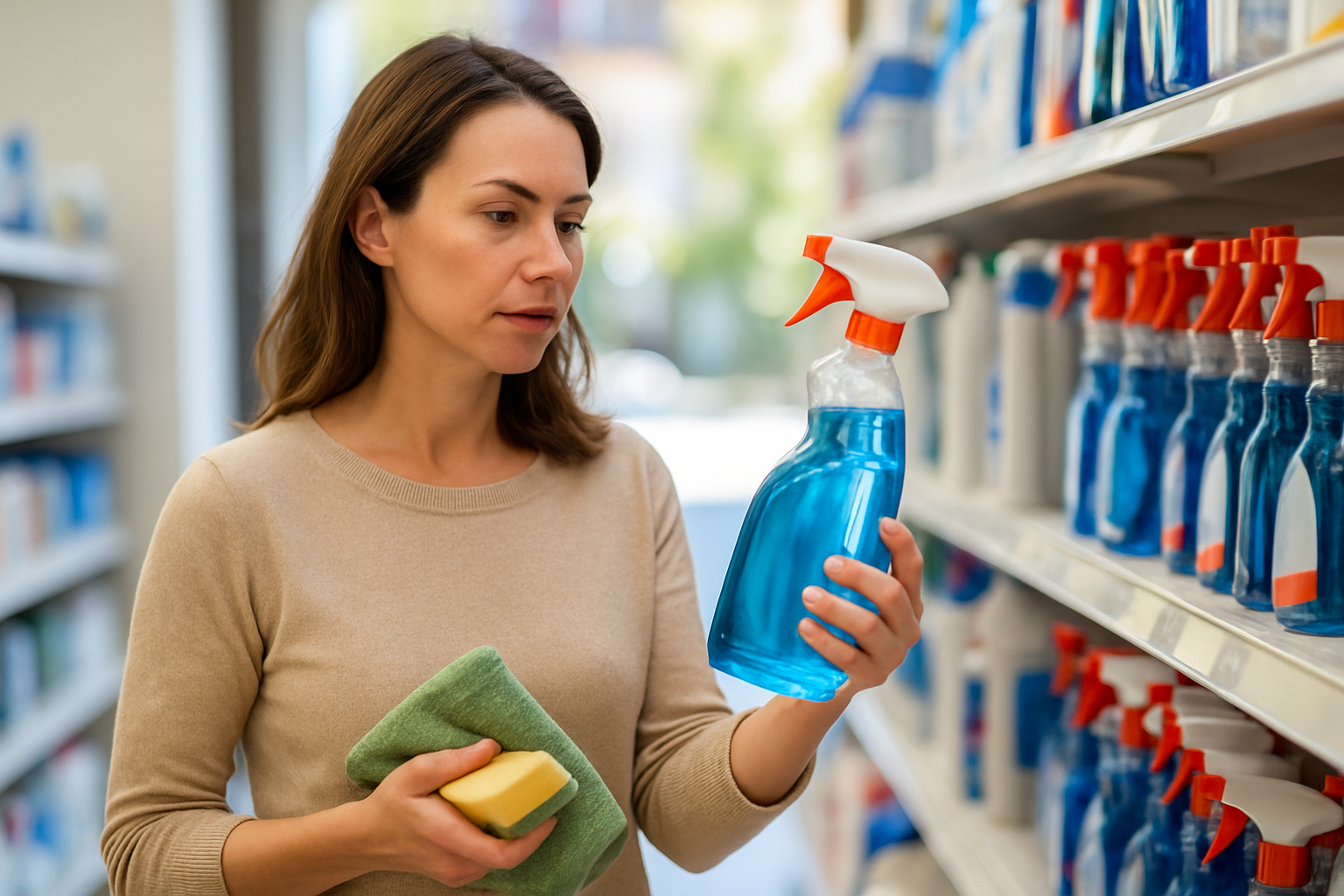
Are you tired of streaky, dirty windows that diminish your home’s beauty? Choosing the best window cleaner for your home can make a significant difference in achieving that crystal-clear view. With over 15 years of experience in the cleaning industry, I understand the nuances of selecting the right cleaning solution tailored to your specific needs. In this article, we will explore essential factors to consider when choosing a window cleaner, including effectiveness, safety, and environmental impact. You’ll learn about common cleaning techniques, the importance of using the right tools, and tips for maintaining your windows for long-lasting clarity. Let’s dive in and discover how to elevate your window cleaning game!
Understanding Different Types of Window Cleaners
When choosing the best window cleaner for your home, it’s essential to understand the different types available. Window cleaners generally fall into two categories: commercial and homemade solutions. Commercial cleaners often contain chemicals designed to cut through dirt and grime quickly, while homemade options typically use natural ingredients like vinegar or baking soda. Both types have their pros and cons, so consider what works best for your cleaning preferences and environmental concerns.
Commercial Window Cleaners
Commercial window cleaners are formulated for high efficacy and quick results. They often contain surfactants and solvents that effectively remove tough stains. However, it’s crucial to read the labels for any harsh chemicals and consider the potential impact on indoor air quality and the environment.
Homemade Window Cleaners
Homemade window cleaners are often safer for the environment and your health. Common ingredients include vinegar, which cuts through grease, and water. While they may require more effort than commercial cleaners, they offer a cost-effective and eco-friendly alternative for maintaining clean windows.
Key Points:
- Know the types of window cleaners available
- Consider environmental impact when choosing a cleaner
Evaluating Effectiveness and Safety
When determining how to choose the best window cleaner for your home, evaluating effectiveness and safety is crucial. Look for cleaners that promise streak-free results and can handle various types of dirt, including dust, fingerprints, and hard water stains. Additionally, consider the safety of the ingredients, especially if you have children or pets in your home.
Assessing Cleaning Power
To assess cleaning power, consider the specific needs of your windows. If your windows are frequently exposed to the elements, look for cleaners designed to tackle outdoor grime. Reading user reviews or checking ratings can provide insight into a product’s effectiveness in real-world conditions.
Safety Considerations
Safety should always be a priority when selecting a window cleaner. Opt for products labeled as non-toxic or biodegradable. If choosing a commercial cleaner, check for any warnings regarding skin or eye contact and ensure proper ventilation during use to minimize inhalation of fumes.
Key Points:
- Evaluate the specific cleaning needs of your home
- Prioritize safety and non-toxic ingredients in your choice
Understanding Window Cleaner Types
Choosing the best window cleaner for your home begins with understanding the different types available. Window cleaners generally fall into three categories: commercial, homemade, and eco-friendly options. Each type has its advantages and disadvantages, making it crucial to assess them based on your specific needs and preferences. Commercial cleaners often provide quick results, while homemade solutions can be tailored to your liking and are typically more cost-effective. Eco-friendly cleaners cater to environmentally conscious consumers, ensuring safe use around pets and children. Evaluating these options helps you identify the best fit for your home.
Commercial Cleaners
Commercial window cleaners are designed for efficiency and effectiveness, often containing strong cleaning agents. They work quickly to eliminate dirt and grime, making them ideal for large windows or tough stains. However, it’s important to read labels carefully, as some chemicals may be harmful to health or the environment. Always use commercial cleaners according to the manufacturer’s instructions for optimal results and safety.
Homemade Solutions
Homemade window cleaners typically consist of simple ingredients like vinegar, water, and a few drops of dish soap. These solutions are not only economical but also allow for customization based on personal preferences. To create a basic homemade cleaner, mix equal parts vinegar and water in a spray bottle. This option is effective for regular cleaning and is less likely to leave streaks, providing a clear finish.
Eco-Friendly Options
Eco-friendly window cleaners are formulated with natural ingredients that minimize environmental impact. They often use plant-based surfactants instead of harsh chemicals. While they may be less aggressive on tough stains, they are safer for your family and pets. When selecting an eco-friendly option, look for certifications or labels that confirm their green credentials to ensure you are making a sustainable choice.
Key Points:
- Understand the different types of window cleaners available.
- Homemade solutions can be effective and customizable.
💡 Choose a cleaner based on your window type; glass, vinyl, or wood may require different solutions.
💡 Test any new cleaner on a small, inconspicuous area to prevent damage or discoloration.
💡 Consider seasonal cleaning needs; some cleaners may perform better in different weather conditions.
Evaluating Effectiveness and Safety
When selecting a window cleaner, evaluating its effectiveness and safety is paramount. Effectiveness can be assessed by reading user reviews and checking for recommendations from trusted sources. Look for cleaners that are known for streak-free finishes and deep cleaning capabilities. Safety is equally important; ensure that the cleaner is non-toxic, especially if children or pets are present in your home. Verify labeling for any safety warnings or precautions to minimize health risks during use. Taking these factors into consideration ensures you choose a cleaner that meets your cleaning goals while maintaining a safe environment.
Reading Reviews and Recommendations
User reviews and recommendations can provide valuable insight into the effectiveness of a window cleaner. Look for feedback on streak-free results, ease of use, and overall satisfaction. Online platforms and community forums are excellent resources to gauge real-life experiences. Prioritize cleaners with consistent positive feedback to increase your chances of selecting a product that meets your expectations.
Safety Considerations
Safety should be a top priority when selecting a window cleaner. Check for non-toxic labels, as many cleaners contain harsh chemicals that can pose health risks. If you have children or pets, opt for solutions that are safe for use around them. Additionally, ensure good ventilation during cleaning to reduce inhalation of any fumes, as this enhances safety while using the product.
Testing for Effectiveness
Before committing to a window cleaner, conduct a small test on a less visible area of your windows. This allows you to assess its effectiveness without risking damage to your entire window surface. Look for streaking, residue, or any adverse reactions with the glass. This simple test can save you from an ineffective cleaner that may compromise your cleaning efforts.
Key Points:
- Evaluate user reviews to gauge the effectiveness of window cleaners.
- Safety is essential; prioritize non-toxic products.
💡 Always check for non-toxic labels if you have children or pets in the home.
💡 Test any cleaner in a small area first to avoid potential damage.
💡 Use a squeegee after applying cleaner for the best streak-free finish.
EXPERT TIPS Pro Advice
Choose a cleaner based on your window type
Different window materials may react differently; selecting a cleaner specifically designed for your window type helps prevent damage.
Test any new cleaner first
Applying the cleaner in an inconspicuous area ensures you don’t accidentally damage your windows or finish.
Consider seasonal cleaning needs
Some cleaners work better in specific weather conditions, so adjusting your choice based on the season can enhance effectiveness.
Read safety labels carefully
Understanding the safety precautions can help you avoid harmful exposure, especially when using strong chemicals.
Keep ventilation in mind
Proper ventilation minimizes inhalation of fumes, making the cleaning process safer, especially indoors.
Frequently Asked Questions
Conclusion
Choosing the best window cleaner involves considering factors like safety, effectiveness, and the method of application. Whether opting for commercial products or homemade solutions, regular maintenance is key for clean, clear windows. Understanding these elements will help you maintain your home’s appearance and integrity.
🎯 Key Takeaways:
- Consider surface type and dirt level when selecting a cleaner.
- Check for non-toxic ingredients and safety certifications.
- Specialized cleaners are more effective than general-purpose ones.
- Homemade cleaners can be a safe and eco-friendly option.
- Clean windows at least twice a year for best results.
Expert Advice: Evaluate your cleaning needs and preferences to select the right window cleaner. Regular maintenance and the right products will ensure your windows stay pristine and enhance your home’s overall appeal.
Start evaluating your window cleaning routine today and make informed choices for a clearer view.
Leave a Reply