
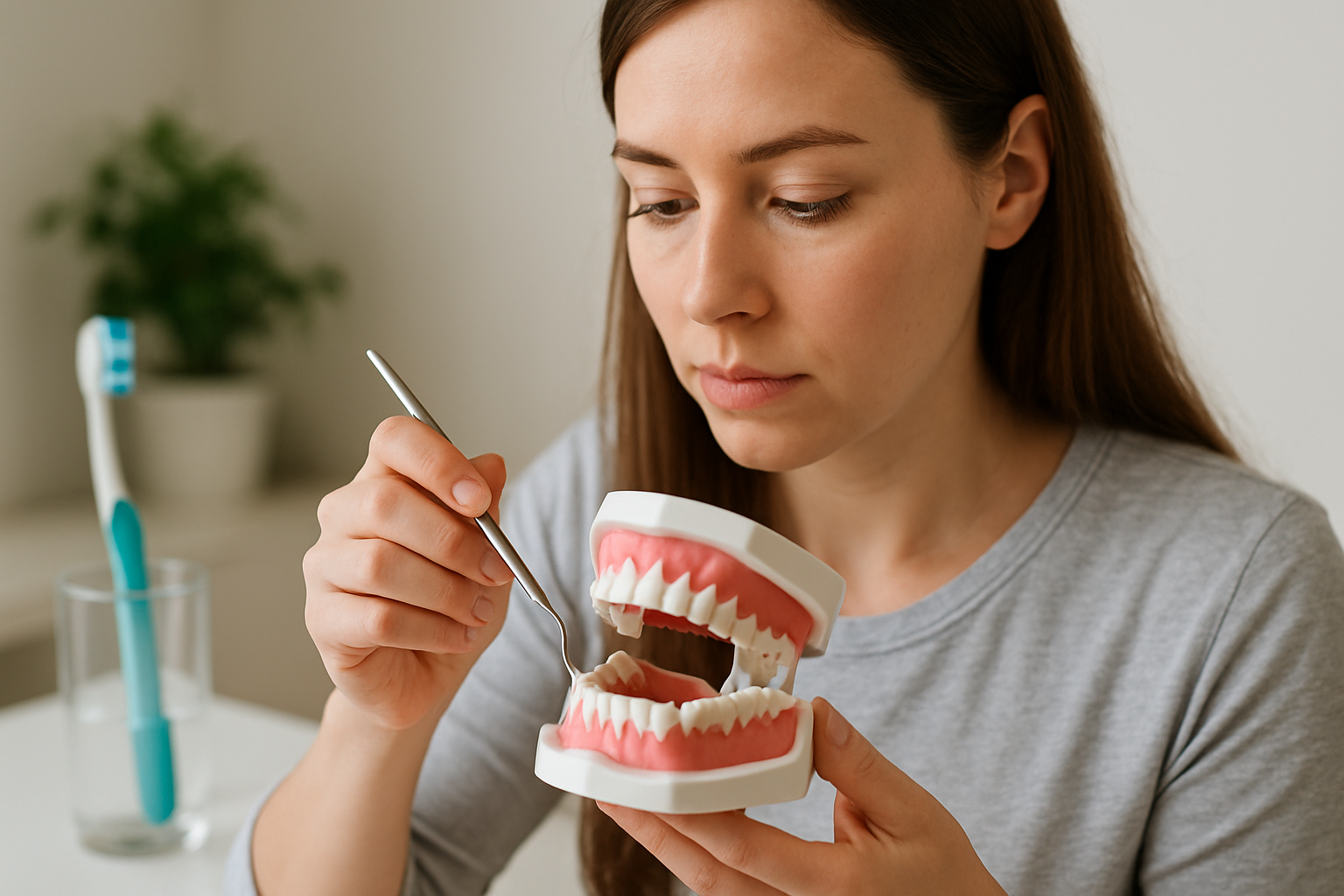
Are you wondering how to do a dental cleaning at home effectively? With over 80% of adults experiencing dental issues at some point, maintaining oral hygiene is crucial. As a dental health advocate with years of experience, I understand the importance of proactive care. In this article, you’ll discover essential techniques and tips for performing a thorough dental cleaning at home, from brushing and flossing to using natural remedies. By the end, you’ll be equipped with the knowledge to enhance your oral health and reduce the risk of dental problems.
Understanding Dental Cleaning Basics
Dental cleaning at home is essential for maintaining oral health and preventing dental issues such as cavities and gum disease. It involves a series of steps that remove plaque and tartar buildup on teeth. Regular home dental cleanings can help keep your mouth healthy between professional visits. It’s important to understand the tools and techniques involved to ensure effective cleaning without damaging tooth enamel or gums.
Importance of Regular Cleaning
Regular dental cleaning at home is crucial for preventing oral health issues. It helps remove plaque, which can harden into tartar if not addressed. Plaque buildup can lead to cavities and gum disease, making home cleaning a vital part of oral hygiene. Establishing a routine can significantly reduce the risk of serious dental problems.
Basic Tools for Home Cleaning
To perform an effective dental cleaning at home, you’ll need basic tools such as a toothbrush, dental floss, and mouthwash. A soft-bristled toothbrush is best to avoid damaging enamel, while floss is essential for cleaning between teeth. Mouthwash can help kill bacteria and freshen breath, completing your home cleaning routine.
Key Points:
- Regular cleaning prevents cavities and gum disease
- Essential tools include a toothbrush, floss, and mouthwash
Step-by-Step Guide to Home Dental Cleaning
Doing a dental cleaning at home involves several simple steps. Following a consistent routine can help ensure your mouth stays healthy. Start by brushing your teeth, then flossing, and finish with a rinse using mouthwash. Each step plays a critical role in removing debris and preventing plaque buildup.
Brushing Technique
Begin by brushing your teeth at least twice a day. Use gentle, circular motions to effectively remove plaque without harming gums. Focus on all surfaces of the teeth including the front, back, and chewing surfaces. Aim for two minutes of brushing to ensure thorough cleaning.
Flossing Effectively
Flossing should be done daily to remove food particles and plaque between teeth where a toothbrush can’t reach. Use about 18 inches of floss, wrapping it around your fingers. Gently slide it between your teeth, curving it around each tooth in a C-shape to maximize plaque removal.
Using Mouthwash
After brushing and flossing, rinse your mouth with an antibacterial mouthwash. This helps to kill remaining bacteria and provides additional protection against plaque. Swish the mouthwash for about 30 seconds before spitting it out for optimal effectiveness.
Key Points:
- Brush twice a day for two minutes
- Floss daily to clean between teeth
- Finish with mouthwash for added protection
Understanding the Importance of Dental Cleaning at Home
Regular dental cleaning at home is essential for maintaining oral health and preventing gum disease and cavities. It involves removing plaque and tartar build-up, which can lead to serious dental issues if left untreated. A home dental cleaning routine should include brushing, flossing, and rinsing. By understanding the significance of each step, individuals can better appreciate the impact of their efforts on overall oral hygiene.
The Role of Plaque and Tartar
Plaque is a sticky film of bacteria that forms on teeth after eating and drinking. If not removed, it can harden into tartar, which requires professional cleaning. Regular brushing and flossing help control plaque, while rinsing with mouthwash can help reduce bacteria. Understanding this process empowers you to take control of your dental health.
Connection to Overall Health
Oral health is closely linked to overall health. Poor dental hygiene can lead to issues such as heart disease and diabetes. By committing to regular home dental cleaning, you not only protect your teeth and gums but also reduce the risk of systemic health problems. This highlights the importance of integrating oral care into your daily routine.
Key Points:
- Regular cleaning prevents plaque and tartar build-up.
- Oral health impacts overall health significantly.
💡 Incorporate a consistent schedule for cleaning to build lasting habits.
💡 Use a timer while brushing to ensure you spend at least two minutes on your teeth.
💡 Keep your cleaning tools clean to prevent introducing bacteria back into your mouth.
Step-by-Step Guide to Effective Home Dental Cleaning
To perform an effective dental cleaning at home, follow a structured approach that includes brushing, flossing, and rinsing. Start with brushing your teeth using a fluoride toothpaste, ensuring you cover all surfaces. Follow up with flossing to remove debris between teeth. Finally, rinse with a mouthwash to kill bacteria and freshen breath. This comprehensive routine can significantly enhance your oral hygiene.
Brushing Techniques
Use a gentle, circular motion to brush your teeth, spending around 30 seconds on each quadrant of your mouth. Ensure you brush the outer, inner, and chewing surfaces thoroughly. A technique called the Bass method can be effective, where the brush is angled at 45 degrees to the gum line to remove plaque effectively. Remember to replace your toothbrush every three to four months.
Flossing Properly
Flossing should be done at least once a day to remove plaque and food particles between teeth. Use about 18 inches of floss, wrapping it around your fingers and gently sliding it between teeth in a C-shape. Avoid snapping the floss, as this can damage gums. Proper flossing aids in preventing gum disease and cavities.
Key Points:
- Follow a systematic approach for effective dental cleaning.
- Proper brushing and flossing techniques are vital for oral health.
💡 Always brush before flossing, as this helps dislodge food particles.
💡 Use a consistent technique to ensure thorough cleaning every time.
💡 Consider using a tongue scraper to enhance freshness and remove bacteria.
EXPERT TIPS Pro Advice
Establish a Routine
Consistency is key in dental hygiene. Establish a daily routine that includes morning and evening cleanings to build good habits.
Stay Hydrated
Drinking water throughout the day helps wash away food particles and bacteria, aiding in the overall effectiveness of your dental cleaning.
Use a Mirror
When brushing and flossing, use a mirror to ensure you’re reaching all areas of your mouth, which helps prevent missed spots.
Watch Your Diet
Limit sugary snacks and drinks, as they contribute to plaque formation. A balanced diet supports your dental health efforts.
Regular Check-Ups
Even with a solid home routine, regular dental check-ups are crucial for professional cleanings and to catch issues early.
Frequently Asked Questions
Conclusion
Maintaining a proper dental cleaning routine at home is essential for oral health. Regular brushing, flossing, and the use of mouthwash can significantly reduce plaque and keep your teeth healthy. However, professional cleanings are crucial for removing tartar and addressing any dental issues.
🎯 Key Takeaways:
- Brush teeth twice daily with fluoride toothpaste.
- Floss daily to prevent plaque buildup between teeth.
- Professional dental cleanings are necessary for tartar removal.
- Avoid abrasive substances and hard-bristled toothbrushes.
- Mouthwash should complement, not replace, brushing.
Expert Advice: Consistency is key in your dental care routine. Establishing good habits will lead to better oral health and fewer dental issues over time. Don’t hesitate to consult a dentist for personalized advice.
Start implementing these dental cleaning tips today to enhance your oral hygiene and consider scheduling a professional cleaning for optimal results.
Leave a Reply