
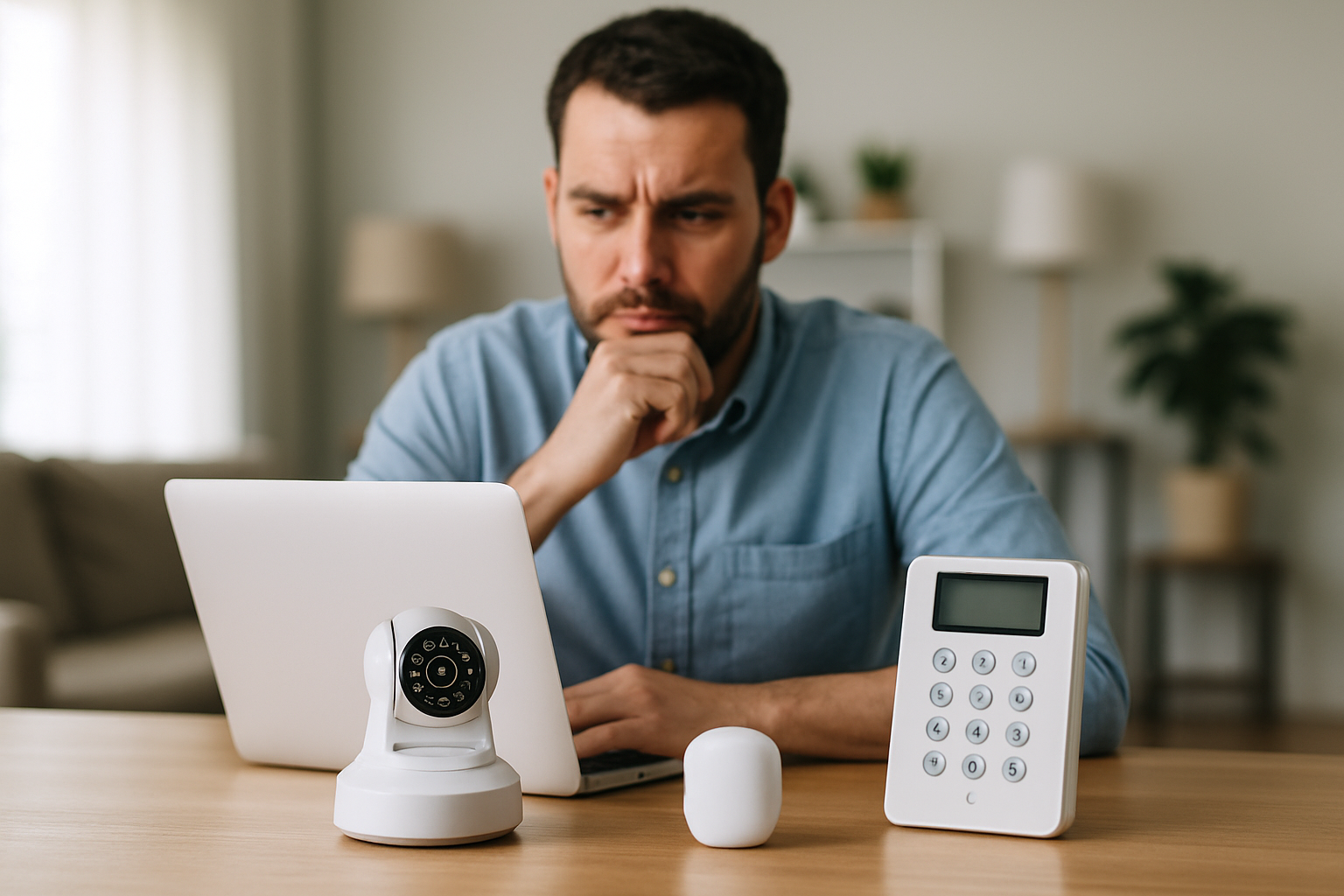
Are you unsure about what home security is the best for protecting your family and belongings? With increasing concerns about safety, choosing the right security measures is more critical than ever. As an expert in home safety and security solutions, I understand the overwhelming options available today. This article will guide you through the essential aspects of home security systems, helping you evaluate what truly meets your needs. You’ll learn about key features to consider, common pitfalls to avoid, and effective strategies to enhance your home’s safety. By the end, you’ll be equipped with the knowledge to make informed decisions and ensure peace of mind for you and your loved ones.
Understanding Home Security Options
Home security encompasses various measures designed to protect residences and their inhabitants from intrusions and other threats. When considering what home security is the best, it’s essential to evaluate the different types of security systems available. These options range from traditional methods such as locks and alarms to advanced technologies like smart home automation systems. Each type has its unique advantages and weaknesses, making it critical for homeowners to assess their specific needs, budget, and lifestyle to determine the most effective solution.
Traditional Security Measures
Traditional security measures include deadbolts, window locks, and alarm systems. These methods are often cost-effective and straightforward to implement. Deadbolts can significantly increase door security, while alarm systems deter potential intruders. However, they may lack the advanced features found in modern systems, such as remote monitoring and alerts.
Smart Home Security Systems
Smart home security systems integrate technology to offer enhanced protection. These systems often include features like cameras, motion sensors, and smart locks, which can be monitored and controlled via smartphones. The convenience and remote access they provide can offer peace of mind, especially for those who travel frequently or have busy lifestyles.
Key Points:
- Evaluate your specific security needs before choosing a system
- Consider a combination of traditional and modern security measures for maximum protection
Factors to Consider When Choosing Home Security
Selecting the best home security solution requires careful consideration of several factors. Each home’s unique characteristics, such as location, size, and existing infrastructure, will influence which security measures are most effective. Additionally, the level of threat in the surrounding area and the homeowner’s personal preferences play crucial roles in determining the most suitable system. Conducting a risk assessment can help pinpoint vulnerabilities and identify the right security features to address them.
Assessing Your Vulnerabilities
Begin by examining your home’s layout and potential entry points. Identify weaknesses, such as poorly lit areas, easy-to-access windows, or doors without adequate locks. By understanding these vulnerabilities, you can select security measures that specifically target these weaknesses, enhancing overall safety.
Budget Considerations
Your budget will significantly influence your home security choices. While there are many affordable traditional options, investing in a comprehensive smart security system might yield better long-term benefits. Determine how much you are willing to spend and balance that with the features you need for effective protection.
Key Points:
- Conduct a thorough risk assessment of your property
- Set a clear budget to guide your security system selection
Understanding Home Security Systems
Home security systems encompass a range of technologies and strategies designed to protect your property from intruders. The best home security system is not just about alarms but includes surveillance cameras, motion detectors, and smart technology integrations. Assessing your specific needs, understanding different security components, and evaluating the level of monitoring required are crucial steps in selecting the right system for you.
Types of Home Security Systems
Home security systems can be categorized into wired, wireless, and smart systems. Wired systems require physical connections to function, while wireless systems use cellular or Wi-Fi signals. Smart systems integrate with your home’s technology, allowing remote access and control through smartphones. Understanding these categories helps you determine which type aligns best with your lifestyle and home layout.
Components of a Security System
Key components of a home security system include alarms, surveillance cameras, motion sensors, and door/window sensors. Alarms alert you and authorities to break-ins, while cameras provide visual monitoring. Motion sensors detect movement and can trigger alerts or alarms. Identifying which components are essential for your home can enhance your security effectively.
Monitoring Options
Monitoring can be self-managed or professionally managed. Self-monitoring requires you to check alerts and notifications, while professional monitoring services provide 24/7 surveillance and immediate response to emergencies. Evaluating the pros and cons of each option is crucial to ensure your home is adequately protected according to your lifestyle and preferences.
Key Points:
- Home security systems vary in type and complexity.
- Understanding system components helps tailor security to your needs.
💡 Consider your home layout and vulnerabilities when choosing a system.
💡 Prioritize systems with mobile access for real-time monitoring.
💡 Regularly update your security protocols to adapt to new threats.
Evaluating and Enhancing Home Security
To determine what home security is the best for you, consider conducting a thorough evaluation of your property’s vulnerabilities. This includes assessing entry points, outdoor lighting, and neighborhood crime statistics. Enhancing your existing security measures through strategic upgrades can significantly bolster your home’s safety. Regularly reviewing and updating your security approach is essential to staying protected.
Conducting a Security Assessment
Start by walking around your property and identifying potential weak points such as poorly lit areas, unmonitored entryways, and easily accessible windows. Document these vulnerabilities and prioritize them for enhancements. This assessment will provide a clear picture of where your security can be improved and what measures to implement.
Integrating Smart Technology
Smart home devices can significantly increase your home’s security. Features like smart locks, video doorbells, and automated lighting can deter intruders and provide you with real-time updates. When selecting smart technology, ensure it is compatible with your existing systems and can be easily managed through a single app for convenience.
Routine Maintenance and Upgrades
Regular maintenance of your security system is vital for optimal performance. This includes testing alarms, updating software, and checking camera angles. As technology evolves, consider upgrading your system to incorporate the latest security innovations, ensuring your home remains protected against emerging threats.
Key Points:
- Conducting assessments can reveal vulnerabilities.
- Smart technology enhances home security efficiency.
💡 Perform regular security assessments to adapt to changing circumstances.
💡 Integrate multiple layers of security for comprehensive protection.
💡 Stay informed about new security technologies and trends.
EXPERT TIPS Pro Advice
Assess your neighborhood’s crime statistics.
Understanding local crime patterns can help tailor your security measures to address specific threats in your area.
Use layered security measures.
Combining physical barriers, alarm systems, and surveillance creates a comprehensive defense against potential break-ins.
Involve your community in security initiatives.
Neighborhood watch programs can enhance security awareness and foster a collective approach to crime prevention.
Keep security systems updated.
Regularly updating firmware and replacing batteries ensures systems perform optimally and remain effective against new threats.
Educate your family about security protocols.
Ensuring everyone in the household knows security measures can help prevent breaches and enhance overall safety.
Frequently Asked Questions
Conclusion
Selecting the best home security involves understanding your specific needs and the features available. Focus on systems that offer reliable monitoring, user-friendly installation, and flexibility. Enhancing security can also be achieved through simple measures like improving physical barriers and fostering community awareness.
🎯 Key Takeaways:
- Prioritize key features like monitoring, sensors, and smart integration.
- Consider DIY options for easier installation.
- Evaluate wired versus wireless systems based on your needs.
- Understand the cost implications of systems and monitoring.
- Improve home security through physical barriers and community efforts.
Expert Advice: Assess your lifestyle and home layout to choose a security solution that fits your unique needs. Stay informed about the latest security trends to ensure your protection measures are effective.
Take the time to evaluate your home security needs today and explore available options to enhance your safety.
Leave a Reply