
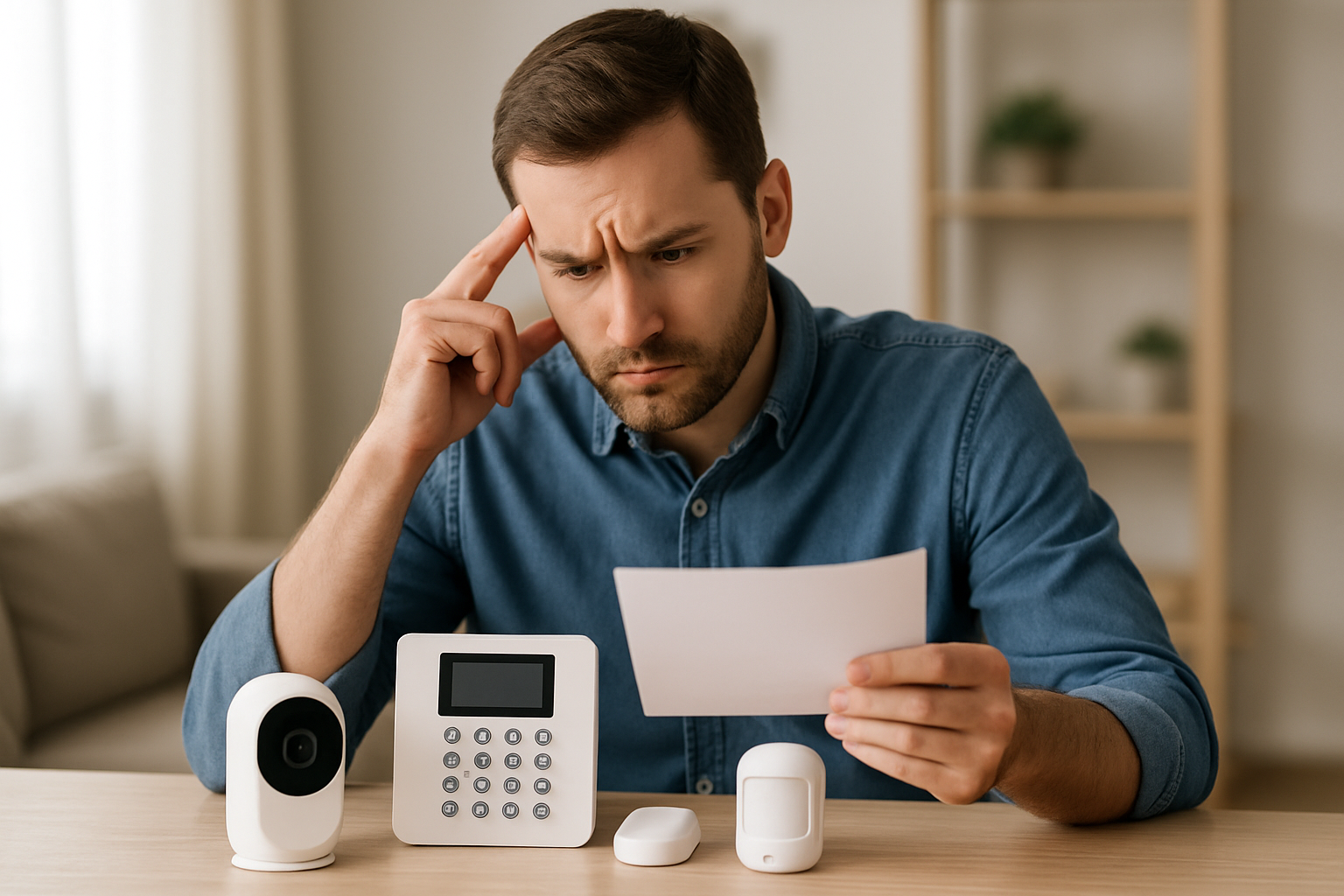
Are you overwhelmed by the multitude of options available when choosing a home security system? With crime rates fluctuating and more homeowners prioritizing safety, selecting the right system can feel daunting. As a seasoned expert in home safety, I understand the importance of making an informed decision to protect your loved ones and property. In this article, you will learn how to assess various home security systems, the critical features to consider, and the common pitfalls to avoid. By the end, you’ll have a clear understanding of which home security system is best suited for your unique needs, ensuring peace of mind and enhanced protection for your home.
Understanding Home Security Systems
Home security systems are essential for safeguarding your property and loved ones. They come in various forms, including wireless, wired, monitored, and unmonitored systems. Understanding the basic components, such as alarms, cameras, sensors, and control panels, is vital. Additionally, knowing your specific security needs—like if you’re primarily concerned about burglary, fire, or environmental hazards—will help you choose the right system. Evaluating your home layout and the presence of potential vulnerabilities can further guide your decision-making process.
Types of Home Security Systems
Home security systems generally fall into two categories: monitored and unmonitored systems. Monitored systems are linked to a security company that alerts authorities when an alarm is triggered. In contrast, unmonitored systems rely on homeowners to respond to alerts. Understanding the differences helps determine which is best suited for your lifestyle and level of security needed.
Key Components of Security Systems
A comprehensive home security system typically includes alarms, surveillance cameras, motion detectors, door/window sensors, and a control panel. Alarms serve as deterrents, while cameras provide visual evidence. Motion detectors can alert you to unauthorized movement, and sensors help secure entry points. Knowing these components allows you to assess their importance in your home security strategy.
Key Points:
- Home security systems vary in types and features
- Understanding your specific needs is crucial for selecting a system
Evaluating Your Home Security Needs
Choosing the best home security system requires a clear evaluation of your specific needs. Start by assessing the layout of your home, including the number of entry points, windows, and potential blind spots. Consider your lifestyle—do you travel frequently or have children at home? Different scenarios may call for different levels of security. Additionally, think about budget constraints and the potential for future upgrades. A well-thought-out evaluation can lead you to a system that offers both peace of mind and practicality.
Assessing Vulnerabilities
Begin by identifying areas in your home that may be susceptible to break-ins. Check for weak locks, inadequate lighting, and unsecured windows. This assessment will help you determine where to focus your security efforts, whether through additional sensors, cameras, or lighting enhancements, to effectively secure your home.
Lifestyle Considerations
Analyze your daily routines and lifestyle to identify when you are most vulnerable. For instance, if you travel frequently, a monitored system might provide added peace of mind. If you have children, consider systems that allow you to monitor their movements and activities. Tailoring your system to your lifestyle ensures it meets your unique security needs.
Key Points:
- Evaluate your home layout and vulnerabilities
- Consider your lifestyle for tailored security solutions
Understanding Home Security System Types
Choosing the right home security system begins with understanding the various types available. Each type serves different needs and preferences. The most common systems include wired, wireless, and monitored systems. Wired systems offer reliability due to their direct connection but can be cumbersome to install. Wireless systems, on the other hand, provide flexibility and easier installation while relying on Wi-Fi or cellular signals. Monitored systems involve professional oversight and immediate response during emergencies, offering peace of mind but often at a higher cost. Evaluating these options helps homeowners make informed decisions based on their specific security needs.
Wired vs. Wireless Systems
Wired systems connect directly to your home’s electrical system, providing stable power and consistent connectivity. However, installation can be invasive and costly. Wireless systems offer easy DIY installation and flexibility in placement but depend on battery life and signal strength. Homeowners should assess their comfort level with installation, potential disruptions, and long-term maintenance when choosing between the two.
Monitored vs. Unmonitored Systems
Monitored systems involve professional services that monitor alerts and respond to emergencies, providing faster intervention. Unmonitored systems rely on homeowners to respond to alerts. While unmonitored systems are cost-effective, they may not provide the rapid response needed during critical incidents. It’s essential to weigh the pros and cons based on your lifestyle and security needs.
Key Points:
- Understand the types of systems available.
- Evaluate your specific security needs and preferences.
💡 Consider your living situation and future needs when choosing a system.
💡 Evaluate the installation process and your comfort level with DIY vs. professional help.
Evaluating Features and Technology
When selecting a home security system, evaluating features and technology is crucial. Important features include motion detection, camera quality, smartphone integration, and the ability to customize alerts. Advanced technology, such as smart home integration, enhances security by allowing systems to communicate with other devices. Homeowners should prioritize which features align with their security concerns and lifestyle, ensuring the system they choose effectively meets their unique requirements.
Smart Home Compatibility
Integrating security systems with smart home devices can enhance overall security and convenience. Systems that work seamlessly with smart locks, lights, and thermostats provide a unified experience. Homeowners should consider their existing smart home setup and look for security systems that provide compatibility for a cohesive ecosystem.
Mobile Access and Alerts
Mobile access allows homeowners to monitor their property remotely. Look for systems that offer real-time alerts and video feeds through a user-friendly app. This feature enables immediate responses to incidents, providing a significant advantage in emergency situations. Ensure the system you choose has reliable remote access capabilities to enhance your security.
Key Points:
- Evaluate which features are essential for your security.
- Smart home compatibility can enhance overall functionality.
💡 Prioritize features that directly address your security concerns.
💡 Test the mobile app interface before purchasing to ensure usability.
EXPERT TIPS Pro Advice
Assess your neighborhood’s crime rate before choosing a system.
Understanding the crime rate in your area can help you choose a system that meets your specific security needs, ensuring effective protection based on local risks.
Consider a system that offers a trial period.
A trial period allows you to test the system’s effectiveness and compatibility with your lifestyle before making a long-term commitment.
Regularly update your system’s software.
Keeping your system’s software updated enhances security and functionality by protecting against vulnerabilities and improving performance.
Involve family members in the decision-making process.
Engaging family members ensures that everyone’s concerns are addressed, leading to a security solution that meets the needs of all residents.
Conduct regular maintenance checks.
Routine checks help identify and resolve any issues before they become significant problems, ensuring your security system remains effective.
Frequently Asked Questions
Conclusion
Choosing the best home security system involves evaluating your specific needs, budget, and desired features. Professional monitoring, DIY installation options, and effective features are crucial in ensuring safety. Assessing costs versus benefits can lead to a more secure home environment.
🎯 Key Takeaways:
- Evaluate your specific security needs and budget.
- Look for features like motion sensors and cameras.
- Consider professional monitoring for enhanced safety.
- DIY systems can be effective if installed correctly.
Expert Advice: Take the time to research and compare different home security systems. Prioritize features that align with your lifestyle and security requirements to ensure you make an informed decision.
Explore various options and assess your home security needs to find the right system for you.
Leave a Reply