
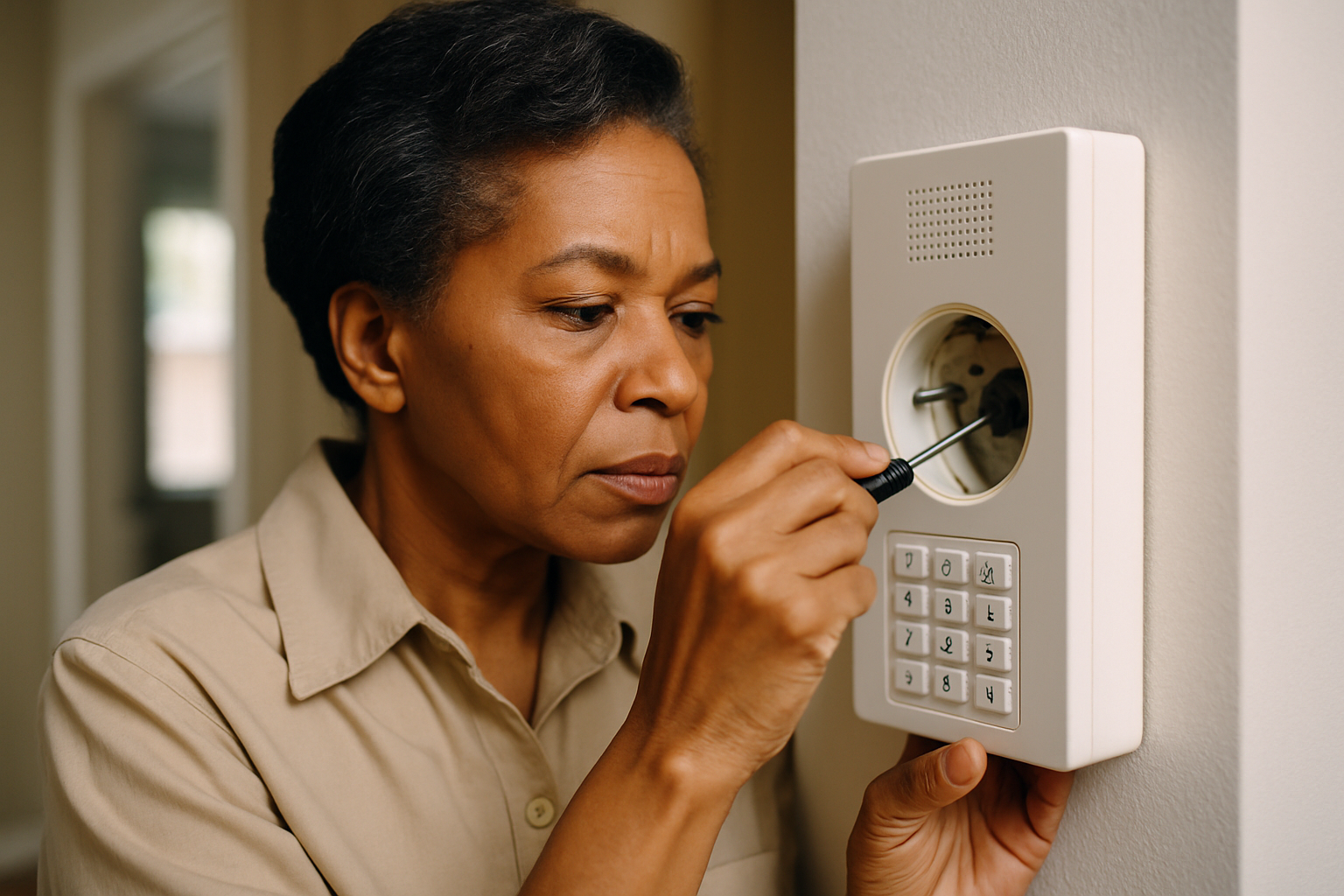
Have you ever wondered who invented home security systems? With home safety more crucial than ever, understanding the origins of these systems can provide valuable insight into modern security solutions. The evolution of home security has been shaped by innovative minds and technological advancements over the years. In this article, we’ll explore the key figures and milestones that have contributed to the development of home security systems as we know them today. From early alarm mechanisms to the sophisticated smart home technologies of today, you’ll gain a comprehensive understanding of how home security systems came to be and their impact on our lives.
The Origins of Home Security Systems
The concept of home security dates back centuries, evolving from simple locks and barriers to sophisticated technology. The earliest forms of home security were primarily physical deterrents, such as locks, barred windows, and guard dogs. These methods relied on the idea that a visible obstacle would deter intruders. With the rise of urbanization in the 19th century, the need for enhanced security measures became more pressing, leading to the development of more advanced systems. The introduction of gas and electric lighting further contributed to safety, allowing homeowners to illuminate their properties at night, thus reducing the risk of break-ins.
Early Physical Security Measures
Ancient civilizations used various methods to secure their homes, including heavy wooden doors, fortified walls, and simple locking mechanisms. The Romans, for instance, created sophisticated locks made from metal that required keys to operate. These early measures laid the groundwork for the future of home security, emphasizing the importance of physical barriers in protecting property.
Technological Advancements in Security
The late 19th and early 20th centuries saw significant technological advancements that influenced home security. The invention of the burglar alarm in the 1850s marked a pivotal moment, using simple electrical circuits to detect unauthorized entry. This innovation set the stage for the integration of technology into home security, ultimately leading to more complex alarm systems and monitoring capabilities.
Key Points:
- Home security has evolved from physical barriers to technological systems.
- Early innovations like burglar alarms were foundational to modern security solutions.
Key Figures in Home Security Development
The development of home security systems is attributed to several innovators who contributed to the evolution of security technologies. Notably, in the 1960s, the introduction of the first commercially available home security system marked a turning point in how homeowners approached safety. This system utilized a combination of alarms, sensors, and monitoring services that made security more accessible. Additionally, the invention of the closed-circuit television (CCTV) system in the 1940s provided homeowners with a visual monitoring solution, which significantly enhanced security measures.
Alfred Nobel and Early Innovations
Although primarily known for his invention of dynamite, Alfred Nobel also made significant contributions to security technology. His work in creating safety devices influenced the design and functionality of early alarm systems. Nobel’s innovations showcased the intersection of technology and security, highlighting the need for effective deterrents against crime.
The Role of the Electronics Industry
The rise of the electronics industry in the mid-20th century played a crucial role in advancing home security systems. Companies began to develop more sophisticated alarm systems that utilized sensors and automated responses. This shift allowed for integrated security solutions that combined alarms with monitoring services, paving the way for modern home security systems as we know them today.
Key Points:
- Innovators in the 20th century significantly shaped modern home security systems.
- The electronics industry’s growth facilitated advancements in security technology.
The Evolution of Home Security Systems
Home security systems have evolved significantly from their inception. The first basic mechanisms can be traced back to the 19th century, with advancements leading to more sophisticated systems. Early systems relied on simple locks and alarms, primarily designed to deter burglars through noise. As technology progressed, the introduction of electric wiring in the early 20th century enabled more complex alarm systems that could alert homeowners of unauthorized access, laying the groundwork for modern security technologies.
Early Innovations
The earliest forms of home security emerged with simple locking mechanisms and alarm bells. In 1853, the first patent for an electric alarm was filed by a man named Augustus Russell Pope, which marked a significant shift in protecting property. These innovations set the stage for more advanced systems that would develop over the following decades.
The 20th Century Breakthroughs
The 20th century saw the introduction of more sophisticated security measures, including wired alarm systems. In 1966, the first commercial burglar alarm systems were installed, utilizing telephone lines to alert police. This era also welcomed the advent of closed-circuit television (CCTV), enhancing the ability to monitor properties remotely.
Key Points:
- Home security systems have dramatically evolved since the 19th century.
- Technological breakthroughs in the 20th century laid the foundation for modern security solutions.
💡 Stay updated on historical advancements to understand modern systems’ roots.
💡 Consider how early systems influenced today’s technology for a better appreciation of current choices.
Key Figures in Home Security History
Several pioneers contributed to the development of home security systems, each building upon the work of their predecessors. Notably, inventors like Alva J. Fisher, who created the first electric burglar alarm in 1890, played a crucial role in advancing security technology. Their innovations not only improved safety but also influenced how security systems are integrated into homes today.
Alva J. Fisher’s Contribution
Fisher’s invention of the electric burglar alarm marked a turning point in home security. This system used electrical currents to trigger alarms when doors or windows were opened. Fisher’s design laid the groundwork for more elaborate systems that utilize sensors and communication technology.
The Rise of Integrated Systems
As technology advanced, integration became a key focus. In the late 20th century, systems began to incorporate multiple security features, such as motion detectors and surveillance cameras. This integration allows homeowners to monitor and control security systems remotely, increasing safety and convenience significantly.
Key Points:
- Innovators like Alva J. Fisher made significant contributions to home security.
- Integration of various technologies is essential for modern security effectiveness.
💡 Research key figures in home security to appreciate the innovations that shaped the industry.
💡 Understanding these developments can help inform modern security choices.
EXPERT TIPS Pro Advice
Explore the historical context of home security.
Understanding the history of home security systems can provide valuable insights into current technologies and their effectiveness.
Analyze the evolution of technology in security systems.
By tracking technological advancements, you can make informed decisions about which features are most beneficial for your security needs.
Look into the impact of legislation on security systems.
Legal developments often drive changes in security technology, so staying informed can help you comply with regulations and improve safety.
Frequently Asked Questions
Conclusion
Understanding the history and importance of home security systems is vital for making informed decisions. From their invention by Augustus Russell Pope to modern DIY options, these systems play a crucial role in safeguarding homes. They offer peace of mind and protect against potential threats.
🎯 Key Takeaways:
- Augustus Russell Pope invented home security systems in 1853.
- Modern systems utilize various technologies for enhanced security.
- Home security systems deter crime and provide peace of mind.
- DIY installation is possible but may require professional help for complex setups.
- Costs vary widely based on features and monitoring options.
Expert Advice: Always assess your specific security needs and choose a system that fits your lifestyle. Regularly update your security measures to adapt to new threats and technologies.
Research different systems and consider your unique requirements to enhance your home’s security today.
Leave a Reply