
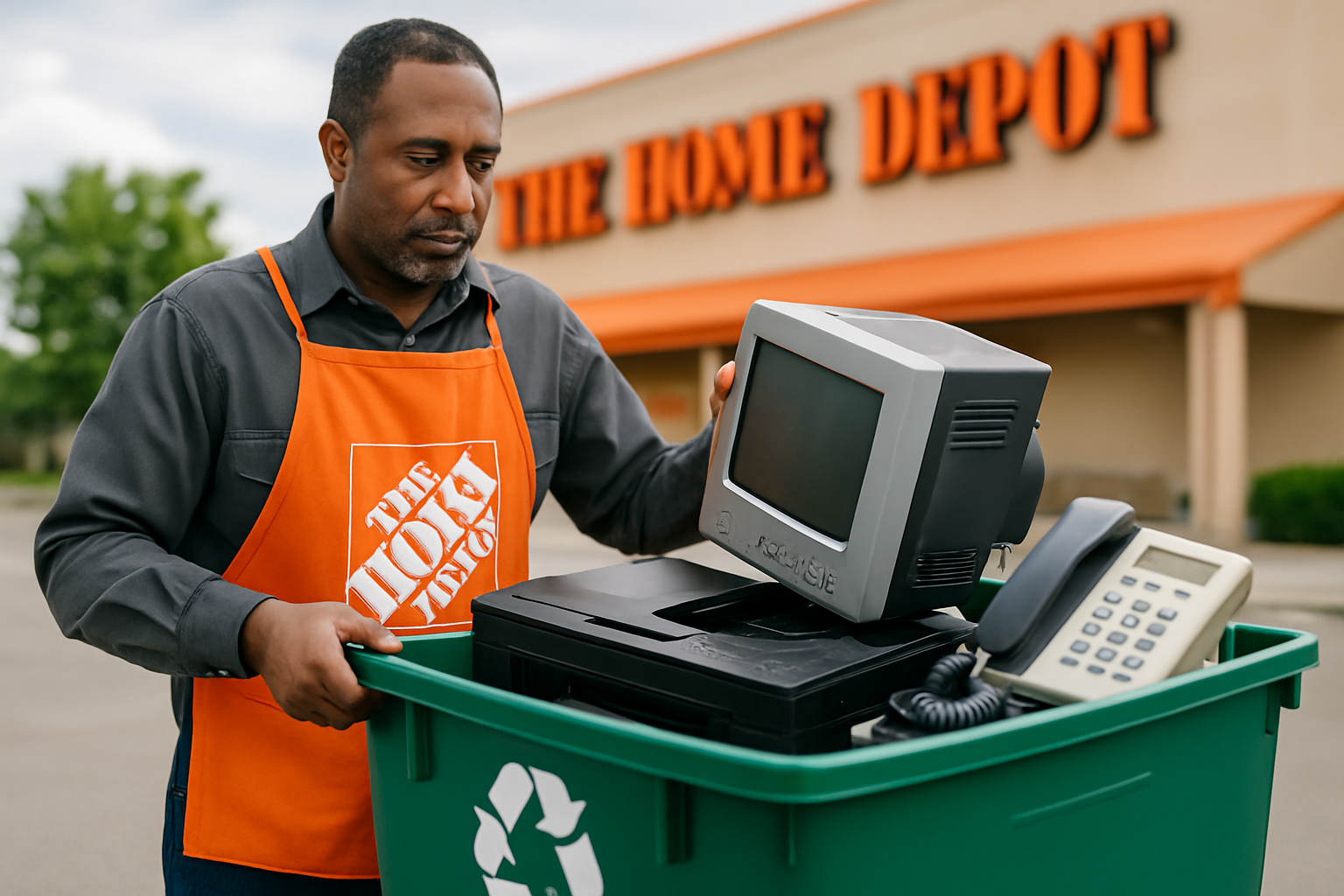
Have you ever wondered, does Home Depot do electronic recycling? As electronic waste continues to grow at an alarming rate, understanding where to recycle old gadgets is crucial for both environmental sustainability and personal responsibility. With over 2.5 million tons of e-waste generated each year in the U.S. alone, ensuring proper disposal is not just a choice—it’s a necessity. In this article, we will delve into the recycling options available at Home Depot, explore the significance of e-waste recycling, and help you navigate the best practices for responsibly discarding your electronics. Whether you’re looking to clear out your old devices or simply want to understand the recycling landscape, this comprehensive guide is designed to provide you with the knowledge you need.
Understanding Electronic Recycling
Electronic recycling, also known as e-waste recycling, involves the process of recovering valuable materials from discarded electronic devices. With the rapid advancement of technology, many devices become obsolete quickly, leading to increasing amounts of e-waste. Proper recycling not only conserves natural resources but also reduces pollution and the risk of hazardous materials entering landfills. Understanding the significance of electronic recycling is crucial in promoting sustainable practices and minimizing environmental impact.
What is E-Waste?
E-waste refers to any discarded electronic device, including computers, smartphones, televisions, and appliances. These products contain valuable materials such as metals, plastics, and glass. However, they also contain harmful substances like lead, mercury, and cadmium, which can pose threats to the environment and human health if not disposed of properly.
Importance of Recycling Electronics
Recycling electronics helps in recovering precious metals and reducing the demand for new raw materials. It conserves energy and minimizes greenhouse gas emissions associated with manufacturing new products. Additionally, proper disposal prevents toxic materials in e-waste from contaminating soil and water, safeguarding ecosystems and public health.
Key Points:
- Electronic recycling helps conserve resources and reduces pollution.
- E-waste contains both valuable materials and harmful substances that need proper disposal.
Home Depot’s Role in Electronic Recycling
Home Depot has taken steps to contribute to sustainability efforts, including electronic recycling initiatives. While not all Home Depot locations may offer e-waste recycling, many participate in programs that aim to responsibly dispose of electronics. Understanding the specifics of these programs can help consumers make informed decisions about recycling their old electronics.
Current Electronic Recycling Programs
Many Home Depot locations participate in electronic recycling programs that accept various e-waste items. Typically, these programs focus on smaller electronics like batteries, light bulbs, and certain electronic devices. It is essential to check with local stores to confirm the types of electronics accepted and any associated fees or restrictions.
How to Recycle Electronics at Home Depot
To recycle electronics at Home Depot, start by gathering the items you wish to recycle. Contact your local store to confirm participation in the recycling program and inquire about their specific guidelines. Once you have the information, simply bring your items to the designated recycling area at the store for responsible disposal.
Key Points:
- Home Depot may offer electronic recycling programs at select locations.
- Always check with local stores for specific recycling guidelines and accepted items.
Understanding Home Depot’s Electronic Recycling Policy
Home Depot offers a program for electronic recycling, allowing customers to responsibly dispose of unwanted electronic devices. While not all locations may have the same services, many stores participate in recycling initiatives aimed at reducing e-waste. Customers can typically bring in small electronics such as batteries, phones, and laptops. It’s essential to check with your local store for specific guidelines and accepted items, as policies can vary by region. Home Depot’s commitment to sustainability is reflected in their efforts to partner with certified e-waste recyclers, ensuring that disposed electronics are processed in an environmentally friendly manner.
Types of Electronics Accepted
Home Depot generally accepts a variety of small electronics for recycling, including batteries, cell phones, and certain computer components. However, larger appliances and televisions are usually not accepted. It’s crucial to verify the specific items that your local Home Depot will take, as accepted materials can differ by location. This helps ensure you don’t waste a trip and can effectively recycle your electronics.
How to Participate in the Program
To recycle electronics at Home Depot, start by gathering your eligible items and checking your local store’s policy. Many stores have designated drop-off bins for electronics, simplifying the process. When visiting, ensure that your items are clean and free of personal data, especially if you’re recycling devices such as phones or computers. Following these steps can help facilitate a smooth recycling experience.
Key Points:
- Home Depot participates in electronic recycling initiatives.
- Accepted items may vary by location, so confirm specifics with your local store.
💡 Always check with your local Home Depot for the most accurate recycling guidelines.
💡 Remove any personal data from devices before recycling to protect your privacy.
The Importance of Electronic Recycling
Electronic recycling plays a crucial role in reducing e-waste, which is one of the fastest-growing waste streams globally. When electronics are disposed of improperly, harmful materials can leach into the environment, posing risks to both human health and wildlife. By recycling electronics, valuable materials like metals and plastics can be recovered and reused in new products. Home Depot’s initiative supports this effort, encouraging responsible disposal practices and promoting sustainability within communities.
Environmental Benefits
Recycling electronics conserves natural resources and reduces pollution. By recovering metals like gold, silver, and copper from old devices, we can decrease the need for mining and its associated environmental impact. Additionally, proper recycling prevents hazardous substances found in electronics, such as lead and mercury, from contaminating the soil and water supply, fostering a healthier ecosystem.
Community Impact
When consumers engage in electronic recycling programs, they contribute to local sustainability efforts and raise awareness about e-waste issues. This collective action encourages communities to adopt greener practices and fosters a culture of responsible consumption. Moreover, many recycling programs create jobs and stimulate the local economy, making electronic recycling beneficial on multiple levels.
Key Points:
- Electronic recycling reduces e-waste and environmental hazards.
- Community engagement in recycling promotes sustainable practices and economic benefits.
💡 Educate others about the importance of e-waste recycling to build community support.
💡 Participate in local clean-up events to further promote sustainability and responsible disposal.
EXPERT TIPS Pro Advice
Know the local regulations on e-waste disposal.
Understanding local laws helps ensure compliance and promotes responsible disposal of electronics, avoiding potential fines.
Consider alternative recycling options if your local Home Depot doesn’t offer services.
Research nearby electronics recycling centers or community events to ensure your devices are disposed of properly.
Stay informed about new recycling programs and initiatives.
Being proactive about updates in recycling options can help you make more sustainable choices regarding electronic disposal.
Frequently Asked Questions
Conclusion
Home Depot provides electronic recycling services at select locations, helping reduce electronic waste and promote sustainability. It’s essential to verify local participation and accepted items. Always wipe personal data from devices prior to recycling to ensure privacy and security.
🎯 Key Takeaways:
- Home Depot offers electronic recycling at select locations.
- Check local store participation for accepted items.
- Recycling electronics conserves resources and protects the environment.
- Wipe personal data from devices before recycling.
- Stay informed about recycling events through Home Depot’s website.
Expert Advice: Be proactive in recycling your electronics to contribute to a healthier planet. Take the time to verify local recycling options and responsibly dispose of your old devices.
Explore your local Home Depot or community resources to find out more about electronic recycling opportunities.
Leave a Reply