
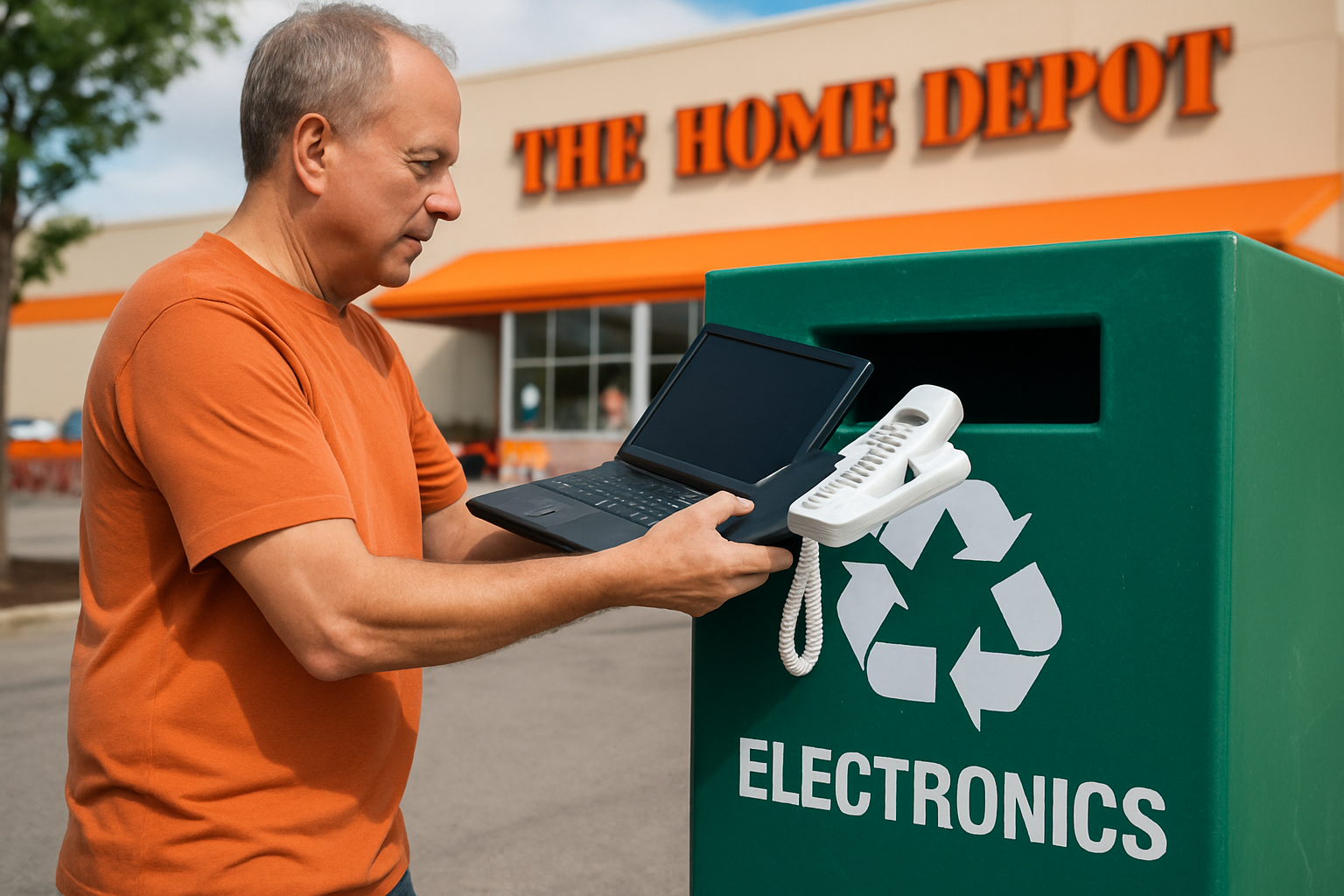
Are you wondering, does Home Depot have electronic recycling? With the growing concern over electronic waste, many consumers are seeking responsible ways to dispose of their old gadgets. Understanding where and how to recycle electronics is crucial for both environmental sustainability and personal responsibility. In this article, we will delve into the electronic recycling initiatives that Home Depot may offer, clarify common misconceptions, and guide you through the available options for e-waste recycling. By the end of this read, you’ll be equipped with knowledge on how to recycle your electronics effectively and responsibly.
Understanding Electronic Recycling
Electronic recycling, also known as e-waste recycling, refers to the responsible disposal and processing of electronic devices that are no longer in use. With the rapid advancement of technology, the volume of e-waste is increasing significantly. Proper recycling is crucial as it helps recover valuable materials, prevents environmental pollution, and supports sustainable practices. Many consumers are now looking for convenient recycling options to ensure their old electronics are disposed of safely and ethically.
The Importance of Electronic Recycling
Recycling electronics is vital for reducing landfill waste and minimizing harmful environmental impacts. E-waste contains hazardous materials like lead, mercury, and cadmium, which can leach into the soil and water. By recycling, these materials can be safely processed, and valuable resources such as metals and plastics can be recovered and reused in new products.
How Electronic Recycling Works
The electronic recycling process typically involves collecting old devices, sorting them based on material types, and dismantling them for recovery of components. The recovered materials are then processed and sent to manufacturers who can reuse them in production. This closed-loop system not only reduces waste but also conserves natural resources.
Key Points:
- E-waste recycling prevents environmental pollution
- Recycling recovers valuable materials and conserves resources
Home Depot’s Role in Electronic Recycling
Home Depot has taken steps to be more environmentally friendly, but the specifics of their electronic recycling services may vary by location. While some stores may offer e-waste recycling programs, it is essential for consumers to verify the availability of these services at their local Home Depot. Understanding what Home Depot provides regarding electronic recycling can help individuals make informed decisions about disposing of their old electronics responsibly.
Availability of Recycling Programs
While Home Depot may not universally provide electronic recycling, some locations participate in local recycling initiatives or collaborate with third-party organizations. It’s advisable for customers to check their local store’s website or contact them directly for detailed information on available programs and accepted items.
Alternatives to Home Depot for E-Waste Recycling
If Home Depot does not offer electronic recycling in your area, numerous other options are available. Local municipalities, specialized e-waste recycling centers, and community events often provide safe disposal methods. Researching these alternatives can ensure you find a suitable recycling option.
Key Points:
- Check local availability of recycling programs
- Explore alternative e-waste recycling options if needed
Understanding Home Depot’s Electronic Recycling Program
Home Depot has made strides in promoting sustainability through its electronic recycling initiatives. While the availability of these services can vary by location, many stores offer programs to recycle specific types of electronic waste. These programs aim to reduce landfill waste and encourage responsible disposal practices among consumers. Consumers are encouraged to check with their local Home Depot to confirm available services and what types of electronics can be accepted for recycling.
Types of Electronics Accepted
Typically, Home Depot accepts certain small electronic items for recycling, including batteries, light bulbs, and small appliances. However, the range of accepted items can differ based on state regulations and store policies. It’s essential for consumers to verify the specifics at their local store, as some locations may not accept larger electronics or specific brands.
Recycling Process
When you bring your electronics to Home Depot for recycling, they are typically sent to certified e-waste processors. These facilities ensure that the materials are handled in an environmentally responsible manner, recovering valuable components and minimizing harmful waste. This process not only helps the environment but also supports the recycling economy by creating jobs in the sector.
Benefits of Recycling Electronics
Recycling electronics helps conserve resources, reduces pollution, and minimizes waste. By choosing to recycle rather than discard electronics, consumers can contribute to a circular economy, ensuring that materials are reused. Moreover, participating in such programs raises awareness about e-waste and encourages more individuals to adopt sustainable practices.
Key Points:
- Verify your local store’s recycling services.
- Participate in recycling to support environmental sustainability.
💡 Check local store policies for specific recycling items.
💡 Bring only accepted electronics to avoid wasted trips.
💡 Ask store employees for additional recycling resources.
Maximizing Your Electronic Recycling Experience
To effectively utilize Home Depot’s electronic recycling program, consumers should prepare adequately and educate themselves about the recycling landscape. This not only enhances the recycling experience but also ensures that they are making a meaningful contribution to environmental sustainability. Understanding the protocols can help streamline the recycling process and ensure compliance with regulations.
Preparing Electronics for Recycling
Before heading to Home Depot, remove personal data from devices to protect your privacy. For larger items, disconnect all cords and accessories. Properly packaging items can also help prevent damage during transport. By taking these steps, you ensure that your electronics are ready for recycling and minimize potential issues at the store.
Tracking Recycling Impact
Consumers can ask about how their recycled electronics are processed. Many stores provide information on the environmental impact of recycling efforts, such as the amount of e-waste diverted from landfills. Tracking this impact helps consumers feel more connected and invested in sustainable practices, reinforcing the importance of their contributions.
Engaging with Community Recycling Events
Home Depot may partner with local organizations for community recycling events. Participating in these events can provide opportunities to recycle larger electronics that may not be accepted at the store. Engaging in community efforts not only broadens your recycling impact but also fosters a culture of sustainability among your peers.
Key Points:
- Prepare your electronics for a smooth recycling process.
- Engage in community efforts to amplify recycling impact.
💡 Clear personal data before recycling electronics.
💡 Inquire about the recycling impact of your contributions.
💡 Participate in community recycling events for larger items.
EXPERT TIPS Pro Advice
Research local e-waste regulations.
Understanding local laws can guide you in responsibly disposing of electronics that may not be accepted at Home Depot.
Combine trips for efficiency.
Plan your recycling alongside other errands to save time and reduce your carbon footprint from multiple trips.
Educate others on e-waste recycling.
Sharing knowledge about recycling programs can encourage broader community participation and increase overall recycling rates.
Stay updated on program changes.
Recycling programs can change; regularly check for updates on what items are accepted to ensure compliance.
Consider alternative recycling options.
If Home Depot doesn’t accept certain items, look for local e-waste specialists or events that might offer additional recycling options.
Frequently Asked Questions
Conclusion
Home Depot provides convenient electronic recycling options that promote environmental sustainability. By allowing customers to drop off small electronics, the store plays a role in reducing e-waste. Remember to check local policies for accepted items and always erase personal data before recycling.
🎯 Key Takeaways:
- Home Depot offers electronic recycling programs.
- Check local policies for specific accepted items.
- Electronic recycling prevents environmental harm.
- Always remove personal data before recycling.
- Recycling is available during regular store hours.
Expert Advice: Stay informed about your local recycling options and the importance of proper e-waste disposal. Taking proactive steps in recycling helps protect the environment and promotes a sustainable future.
Consider visiting your local Home Depot or researching nearby recycling facilities to ensure responsible disposal of your electronics.
Leave a Reply