
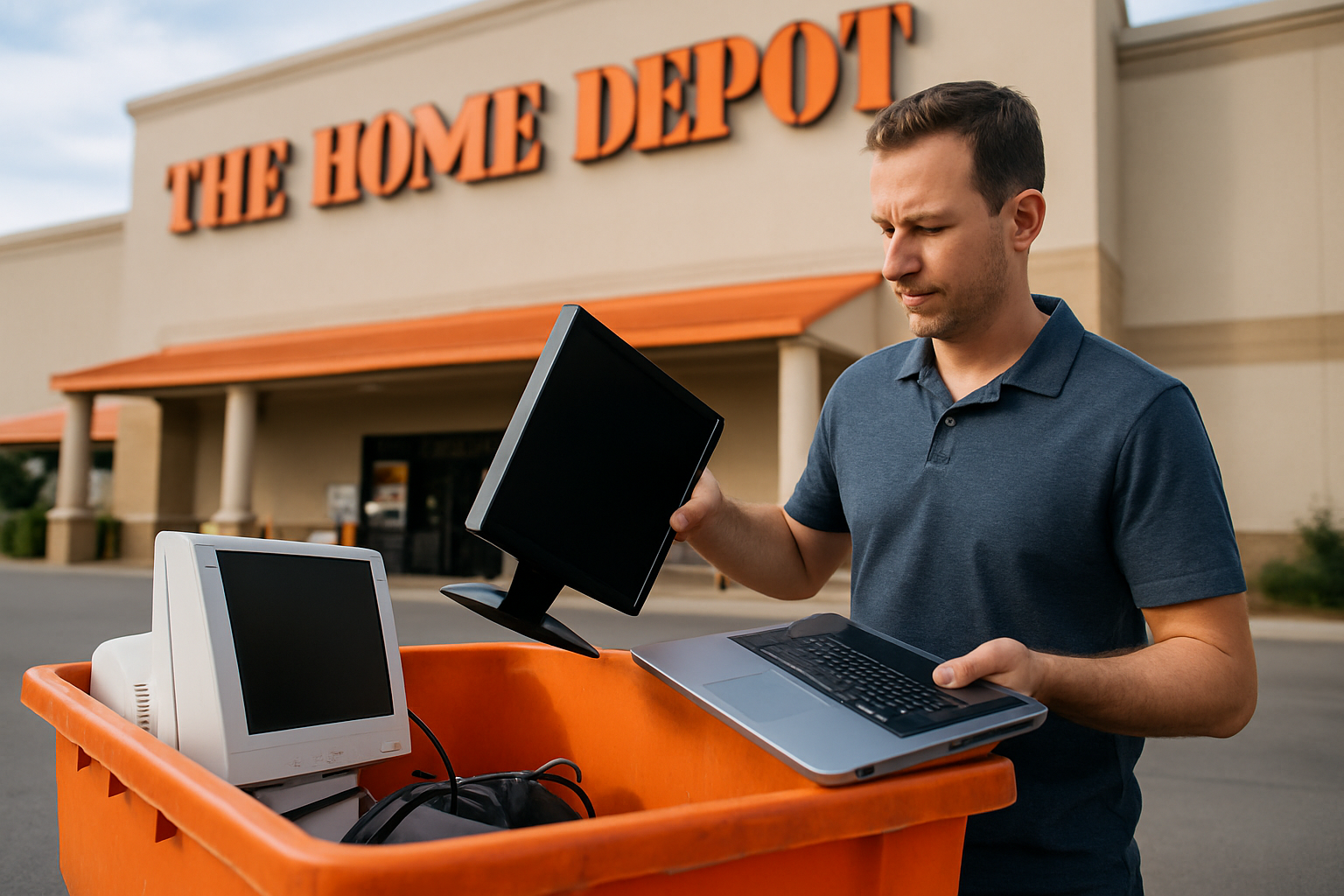
Have you ever wondered what happens to your old electronics? With millions of tons of electronic waste generated each year, responsible disposal is crucial for both environmental sustainability and personal convenience. Many consumers ask, ‘Does Home Depot take electronic waste?’ Understanding the answer can help you make informed decisions about recycling your outdated gadgets. In this article, we will explore Home Depot’s policy on electronic waste, provide alternative disposal options, and outline the importance of recycling electronics properly. Join us as we delve into the world of e-waste management and how you can contribute to a greener planet.
Understanding Electronic Waste (E-Waste)
Electronic waste, commonly referred to as e-waste, includes discarded electronic devices such as computers, televisions, and smartphones. This category of waste has grown significantly due to the rapid advancement of technology and consumer electronics. E-waste is not only harmful to the environment but also contains valuable materials that can be recycled. Proper disposal is crucial to prevent toxic substances from entering landfills and to promote resource recovery. Many consumers are unaware of the correct disposal methods for e-waste, which can lead to improper handling and environmental damage.
The Environmental Impact of E-Waste
E-waste poses a significant environmental threat due to the presence of hazardous materials such as lead, mercury, and cadmium. When improperly disposed of, these substances can leach into soil and groundwater, leading to pollution and health risks. Recycling e-waste not only mitigates these hazards but also helps conserve natural resources by reclaiming precious metals and plastics. Understanding the environmental impact emphasizes the importance of responsible e-waste disposal.
Common Types of E-Waste
E-waste encompasses a wide range of devices, including computers, printers, televisions, and mobile phones. Each type of device has unique components that can be recycled, such as circuit boards and batteries. Identifying what constitutes e-waste is essential for consumers to ensure they are recycling appropriately. Many localities have specific guidelines for what can be recycled and how to prepare these items for collection.
Key Points:
- E-waste contains harmful materials that can damage the environment.
- Recycling e-waste helps conserve resources and prevent pollution.
Home Depot and E-Waste Recycling Programs
Home Depot has made strides in promoting sustainability, yet many consumers wonder if they accept electronic waste. While Home Depot primarily focuses on home improvement products, they do offer limited e-waste recycling services in select locations. It is essential for customers to check with their local Home Depot store for specific recycling options, as programs can vary widely based on location and local regulations. Understanding what types of e-waste are accepted can help individuals make informed decisions about where to dispose of their old electronics responsibly.
E-Waste Recycling Services Offered
Some Home Depot locations may provide drop-off points for specific types of electronic waste, such as batteries and light bulbs. However, they may not accept larger items like televisions or computers. Customers should contact their local store for the most accurate information on what can be recycled. Additionally, many Home Depot locations partner with local recycling companies to facilitate proper disposal of e-waste.
Alternatives for E-Waste Disposal
If Home Depot does not accept e-waste in your area, several alternatives exist for responsible disposal. Many municipalities offer designated e-waste recycling events or drop-off centers. Additionally, local electronic retailers or specialized recycling companies may provide services to ensure safe and environmentally friendly disposal of electronic devices. Researching local options helps consumers find the best solution for their e-waste.
Key Points:
- Home Depot’s e-waste recycling services vary by location.
- Explore local options for e-waste disposal if Home Depot does not accept it.
Understanding Home Depot’s E-Waste Policy
Home Depot has established guidelines regarding the disposal of electronic waste, which is crucial for consumers looking to responsibly recycle their old electronics. While Home Depot does not universally accept all types of electronic waste, certain locations participate in recycling programs that might include items like batteries and small electronics. It’s essential for customers to check local store policies, as participation can vary by region.
Types of Electronic Waste Accepted
Home Depot generally accepts specific types of electronic waste, including rechargeable batteries and compact fluorescent light bulbs. However, larger electronics like televisions and computers are usually not included in their recycling program. Knowing what items are accepted can save time and ensure proper disposal.
How to Locate Participating Stores
To find out if your local Home Depot accepts electronic waste, visit their website or contact the store directly. Many stores provide information on their recycling programs and guidelines. Using store locators or calling customer service can yield the most accurate and up-to-date information.
💡 Check local recycling programs for additional options
💡 Contact the store for any special events or promotions
Best Practices for E-Waste Disposal
Responsible disposal of electronic waste is not only environmentally friendly but also complies with local regulations. Proper preparation of e-waste before recycling is essential to protect personal data and ensure safe handling. This section discusses how to prepare your electronics for disposal and alternative recycling options.
Preparing Electronics for Recycling
Before dropping off electronics, ensure that all personal data is wiped clean. This can involve performing a factory reset or using data-wiping software. Additionally, remove any batteries or accessories that may not be accepted at the recycling location. This preparation is vital for data security and compliance with recycling rules.
Alternative E-Waste Recycling Options
If Home Depot does not accept your items, consider other recycling options such as community recycling events, local e-waste recycling centers, or manufacturer take-back programs. Researching these alternatives can provide more avenues for safe disposal and possibly even rewards for recycling.
💡 Always erase personal data from devices
💡 Research local laws and regulations regarding e-waste
EXPERT TIPS Pro Advice
Stay informed about local regulations
Understanding local laws on e-waste can help you comply and find the best recycling options available in your area.
Utilize data-wiping tools
Using specialized software to wipe data ensures your personal information is securely erased before recycling.
Participate in community recycling initiatives
Engaging in community programs not only helps in recycling but also fosters community awareness about e-waste issues.
Plan electronics disposal in advance
Planning ahead for e-waste disposal can help you avoid potential fines and ensure that your electronics are disposed of responsibly.
Frequently Asked Questions
Conclusion
Home Depot does accept electronic waste for recycling, but the specifics can vary by location. It’s important to understand what types of items are accepted, and to remove personal data from devices. Always check with your local store for guidelines.
🎯 Key Takeaways:
- Home Depot accepts limited types of electronic waste.
- Check with your local store for specific recycling guidelines.
- Remove personal data from devices before recycling.
- Recycling helps protect the environment and recover resources.
- Recycling events may have specific schedules and guidelines.
Expert Advice: Always stay informed about local electronic waste recycling options and practices to ensure responsible disposal and contribute to environmental sustainability.
Visit your local Home Depot or their website for more information on electronic waste recycling and to find out how you can participate.
Leave a Reply