
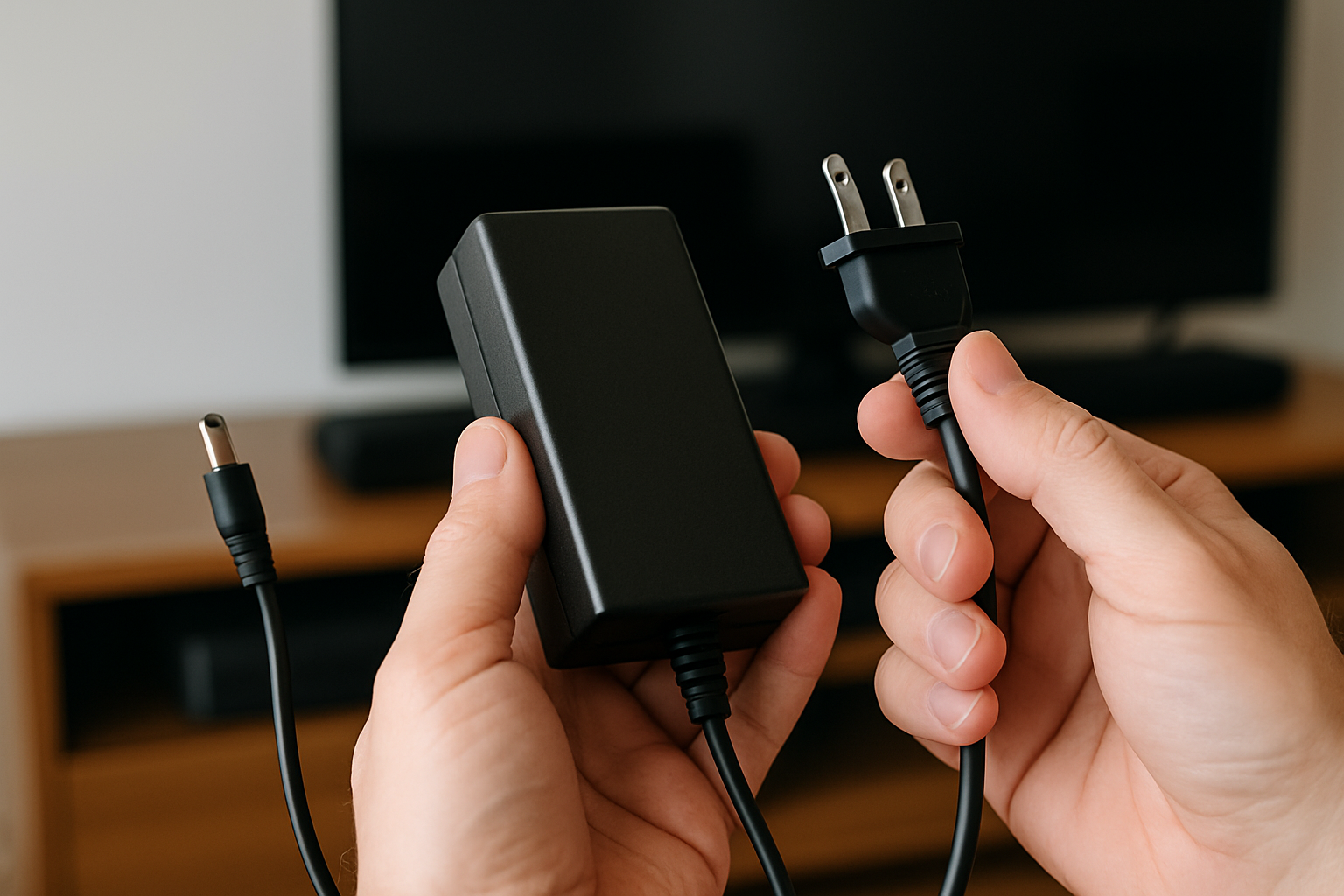
Have you ever wondered how your home electronics manage to function seamlessly despite the different types of electrical currents? The question of whether home electronics convert AC to DC current is crucial for understanding how devices operate. In fact, many household gadgets rely on this conversion for optimal performance. As an expert in electrical engineering and home technology, I will guide you through the principles of AC and DC currents, explaining the conversion process and its significance. By the end of this article, you’ll have a clearer understanding of how your devices transform electrical energy and the technology behind this essential function.
Understanding AC and DC Current
AC (Alternating Current) and DC (Direct Current) are two types of electrical current used in various applications. AC is the type of current supplied by power outlets in homes and businesses, characterized by its periodic reversal of direction. In contrast, DC flows in a single direction and is typically used in batteries and electronic devices. Understanding the difference is crucial because many home electronics require DC to operate, even though they are powered by AC from the grid.
Characteristics of AC Current
AC current alternates in polarity and is typically found in household electrical systems. This allows for efficient transmission over long distances, making it ideal for power grids. The voltage level of AC can fluctuate, often defined in terms of root mean square (RMS) value, which is the effective voltage that can deliver power to a load.
Characteristics of DC Current
DC current maintains a constant polarity and voltage level, making it suitable for devices requiring stable power, such as computers and electronic circuits. DC is primarily generated through batteries, solar panels, and some power supplies. It is crucial for the operation of most modern electronic devices, which rely on consistent voltage.
Key Points:
- AC alternates direction, while DC flows in one direction.
- Understanding the differences is vital for home electronics operation.
Conversion of AC to DC in Home Electronics
Many home electronics require DC to function properly, necessitating the conversion from AC supplied by wall outlets. This is achieved through devices called rectifiers, which convert the alternating current into direct current. The conversion process often includes additional components like filters and voltage regulators to ensure a stable output suitable for electronic circuits.
Role of Rectifiers
Rectifiers are essential components in the conversion process. They allow current to flow in only one direction, effectively transforming AC into DC. Common types of rectifiers include half-wave and full-wave rectifiers, which differ in their efficiency and output quality. Understanding their functionality helps in designing or troubleshooting electronic circuits.
Importance of Filtering and Regulation
After rectification, the DC output may still contain ripples or fluctuations. Filters are used to smooth out these variations, while voltage regulators maintain a constant output voltage. This ensures that the electronics receive clean, steady power, which is crucial for optimal performance and longevity of devices.
Key Points:
- Rectifiers convert AC to DC for electronic devices.
- Filtering and regulation are essential for stable DC output.
Understanding AC and DC Currents
Alternating Current (AC) and Direct Current (DC) are the two primary types of electrical current. AC is the type of electricity delivered to homes, characterized by its periodic reversal of flow, typically at 60Hz in the U.S. In contrast, DC flows consistently in a single direction. Home electronics often require DC for operation, necessitating conversion from AC. This conversion is commonly achieved using power adapters or built-in rectifiers that transform AC into usable DC, ensuring compatibility with devices such as computers, televisions, and rechargeable batteries.
How AC is Converted to DC
The conversion from AC to DC is primarily done using a rectifier, which employs diodes to allow current to flow only in one direction. This process typically involves transforming the AC voltage down to a lower level and then filtering it to smooth out the resulting DC. This is crucial for devices that require stable voltage levels, preventing fluctuations that could damage sensitive components.
The Role of Power Supplies
Power supplies in home electronics are designed to manage the conversion of AC to DC efficiently. They may include transformers to adjust voltage levels before rectification. Some devices have integrated power supplies, while others rely on external adapters. Understanding how these components work can help users troubleshoot issues related to power supply failures, such as device malfunctions or inadequate performance.
💡 Understanding AC and DC fundamentals is crucial for troubleshooting electronics.
💡 Always check the voltage specifications before plugging in devices to avoid damage.
Applications of AC to DC Conversion in Home Electronics
Many modern home electronics, such as laptops, smartphones, and gaming consoles, require DC to function effectively. The process of converting AC to DC is not only essential for powering these devices but also for ensuring their optimal performance. For instance, built-in converters in laptops allow them to operate on varying AC supplies while maintaining a steady DC output, which is vital for battery charging and operation.
Importance in Computing Devices
Computing devices rely heavily on DC for their internal components, such as processors and memory modules. The power supply unit (PSU) in a computer converts AC from the wall outlet into various DC voltage levels required by different components. A stable and consistent power supply is vital for preventing data loss and hardware damage due to power surges or drops.
Impact on Energy Efficiency
The efficiency of converting AC to DC has a significant impact on energy consumption in home electronics. Inefficient converters can lead to energy loss in the form of heat, reducing overall device performance and increasing electricity costs. Understanding energy efficiency ratings can help consumers make informed choices about their electronic devices, leading to both cost savings and environmental benefits.
💡 Consider energy-efficient devices to reduce electricity costs.
💡 Regularly check and maintain power supplies to avoid unexpected failures.
EXPERT TIPS Pro Advice
Understand the specifications of your devices.
Knowing the required voltage and current ratings of your electronics helps prevent misuse and damage.
Use surge protectors for sensitive electronics.
Surge protectors can safeguard devices from voltage spikes that may occur during AC to DC conversion.
Monitor heat generation in power adapters.
Excessive heat can indicate inefficiency or potential failure in power supplies; regular checks can prolong device life.
Familiarize yourself with common power supply issues.
Understanding symptoms of power supply failure can help in early troubleshooting and prevent costly repairs.
Frequently Asked Questions
Conclusion
Understanding how home electronics convert AC to DC current is crucial for grasping their functionality. Most devices do require this conversion, facilitated by rectifiers, to operate efficiently. Recognizing the differences between AC and DC can empower you to troubleshoot and maintain your electronics effectively.
🎯 Key Takeaways:
- AC changes direction, while DC flows in one direction.
- Rectifiers are used to convert AC to DC in electronics.
- DC provides stable voltage for sensitive devices.
- Not all devices require conversion from AC to DC.
- Direct AC application to DC devices can cause damage.
Expert Advice: Familiarize yourself with your electronic devices’ power requirements to ensure they function optimally and safely. Understanding AC and DC currents will enhance your troubleshooting skills and knowledge.
Explore more about electrical systems to better manage your home electronics.
Leave a Reply