Choosing the right security camera system for your home can be overwhelming, especially with the myriad of options available. Did you know that homes with security systems are 300% less likely to be burglarized? With over 15 years of experience in security and surveillance solutions, we understand the critical features that make a security camera system effective. In this article, you will learn about the essential factors to consider when selecting a system, the latest technology trends, and tips to ensure your home is adequately protected. Whether you’re a first-time buyer or looking to upgrade, this guide will help you make an informed decision about what is the best security camera system for home.
Understanding Security Camera Systems
Security camera systems are essential for enhancing home safety and monitoring activities around your property. They can deter crime, provide evidence in case of incidents, and offer peace of mind. When considering a security camera system for your home, it’s crucial to understand the different types available, including wired and wireless systems. Wired systems often provide more reliable connections and power sources, while wireless systems offer flexibility in placement and installation. Additionally, consider the quality of video resolution, which can impact the clarity of images captured. Features like night vision, motion detection, and remote access via smartphone apps also play significant roles in the effectiveness of a security system.
Types of Security Cameras
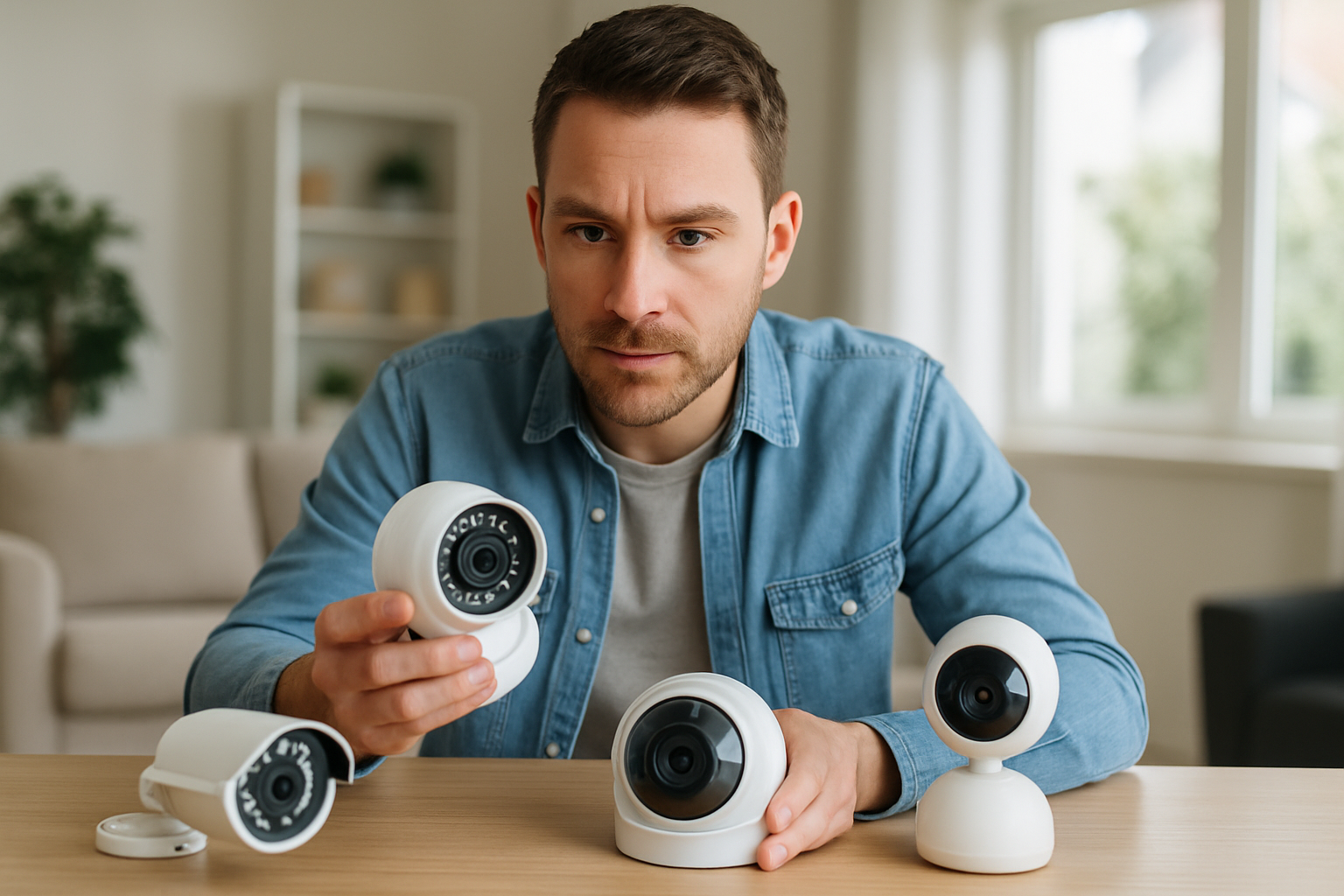
There are various types of security cameras, including indoor, outdoor, PTZ (pan-tilt-zoom), and doorbell cameras. Indoor cameras are ideal for monitoring rooms, while outdoor cameras are designed to withstand weather conditions. PTZ cameras offer versatility by allowing users to control the camera’s direction remotely. Doorbell cameras enhance security at entry points by providing visuals of visitors and potential intruders.
Video Quality and Features
Video quality is a critical factor when choosing a security camera. Higher resolution cameras, such as 1080p or 4K, provide clearer images, making it easier to identify faces or license plates. Additionally, features like night vision allow for monitoring in low-light conditions, while motion detection can alert homeowners about unusual activities. Remote viewing capabilities through mobile apps enable users to check their camera feeds from anywhere, enhancing convenience.
Key Points:
- Security camera systems enhance home safety
- Understanding camera types and features is essential
Evaluating Your Security Needs
Before selecting a security camera system for your home, it’s essential to evaluate your specific security needs. Consider factors such as the size of your property, the areas you want to monitor, and your budget. Conducting a thorough risk assessment can help identify potential vulnerabilities around your home. For instance, if you live in a high-crime area or have valuable assets, investing in a comprehensive system may be necessary. Additionally, think about the installation process—whether you prefer DIY options or professional help can influence your choice.
Conducting a Risk Assessment
A risk assessment involves analyzing your home’s layout, identifying weak points, and considering potential security threats. Walk around your property and note areas that are poorly lit or hidden from view. This analysis will help you determine how many cameras you need and where to position them for maximum effectiveness.
Budget Considerations
Establishing a budget for your security camera system is crucial. Prices can vary significantly based on features and technology. Consider not just the initial cost of the cameras but also potential ongoing expenses such as cloud storage fees or subscription services for advanced features. Balancing quality and affordability will help you make a wise investment.
Key Points:
- Evaluate security needs based on property size and location
- Conduct a risk assessment to identify vulnerabilities
Understanding Security Camera Types
When considering what is the best security camera system for home, it is essential to understand the various types of cameras available. The main categories include wired, wireless, indoor, and outdoor cameras. Each type of camera has its own unique features and advantages that cater to different security needs. Wired cameras generally offer more stable connections and are less susceptible to interference, while wireless options provide greater flexibility in placement. Indoor cameras are designed for monitoring the inside of a home, while outdoor cameras are built to withstand the elements and often include features like night vision and motion detection.
Wired vs. Wireless Cameras
Wired cameras connect via cables and tend to provide consistent video quality. They are ideal for fixed installations where reliability is critical. Wireless cameras, on the other hand, are easier to install and can be placed almost anywhere, making them perfect for renters or those seeking versatility. Evaluate your home’s layout and your technical comfort level when choosing between these options.
Indoor vs. Outdoor Cameras
Indoor cameras are typically smaller and designed to monitor specific areas within the home, like living rooms or nurseries. They often come with two-way audio and are easier to hide. Outdoor cameras must be weatherproof and may include features like motion detection and enhanced night vision. Assess your security priorities to determine which type aligns with your needs.
Key Points:
- Different types of cameras serve different purposes
- Consider installation preferences when choosing between wired and wireless options
💡 Choose cameras based on your specific security needs and location
💡 Prioritize camera features like night vision and motion detection for enhanced security
Evaluating Camera Features and Installation
To determine what is the best security camera system for home, it is crucial to evaluate camera features and installation options. Essential features include resolution, field of view, and storage options. High-resolution cameras provide clearer images, while a broad field of view allows for comprehensive coverage. Additionally, consider whether you prefer local storage (DVR) or cloud storage for video footage. Understanding these features will help you choose a system that meets your security requirements.
Key Features to Look For
When assessing security cameras, look for features such as resolution (1080p or higher), night vision capabilities, and motion detection alerts. Cameras with higher resolutions capture finer details, and night vision ensures visibility in low light. Motion detection alerts provide real-time notifications, enhancing your ability to respond to potential threats promptly.
Installation Considerations
The installation process can vary significantly between different camera systems. Some systems are DIY-friendly, while others may require professional installation, especially if wiring is involved. Assess your comfort level with technology and home improvement tasks before deciding on a system. A well-planned installation maximizes coverage and minimizes blind spots.
Key Points:
- High-resolution and smart features enhance security effectiveness
- Installation method can impact system efficiency and user experience
💡 Look for features that match your security needs
💡 Plan camera placement to cover vulnerable entry points effectively
EXPERT TIPS Pro Advice
Assess your home’s unique vulnerabilities
Understanding your specific security risks can help you choose the most effective camera placements and types, ensuring comprehensive coverage.
Consider future scalability
Select a system that allows for easy expansion. As your security needs grow, you’ll want the flexibility to add more cameras without complete system overhauls.
Prioritize ease of access to footage
Ensure that your camera system allows you to easily access and review footage remotely. This feature is crucial for timely responses to incidents.
Regularly update camera firmware
Keeping your camera firmware up to date ensures you have the latest security features and protection against vulnerabilities.
Integrate with smart home systems
Choosing cameras that can integrate with existing smart home devices enhances your overall security and convenience, allowing for centralized control.
Frequently Asked Questions
Conclusion
Choosing the best security camera system for your home involves evaluating features like resolution, storage options, and installation ease. It’s essential to assess your security needs, decide between wired and wireless options, and consider DIY installation versus professional help. Take time to research for the best fit.
🎯 Key Takeaways:
- Prioritize high-resolution video and essential features.
- Assess your home’s layout to determine the number of cameras needed.
- Cloud storage offers enhanced security for footage.
- Use strong passwords and keep systems updated to prevent hacking.
- Evaluate the benefits of wired versus wireless systems.
Expert Advice: Invest time in researching your options and understanding your security needs. A well-planned security camera system can significantly enhance your home safety.
Start by assessing your home layout and identifying key areas for monitoring to take the first step towards securing your home.
Leave a Reply