
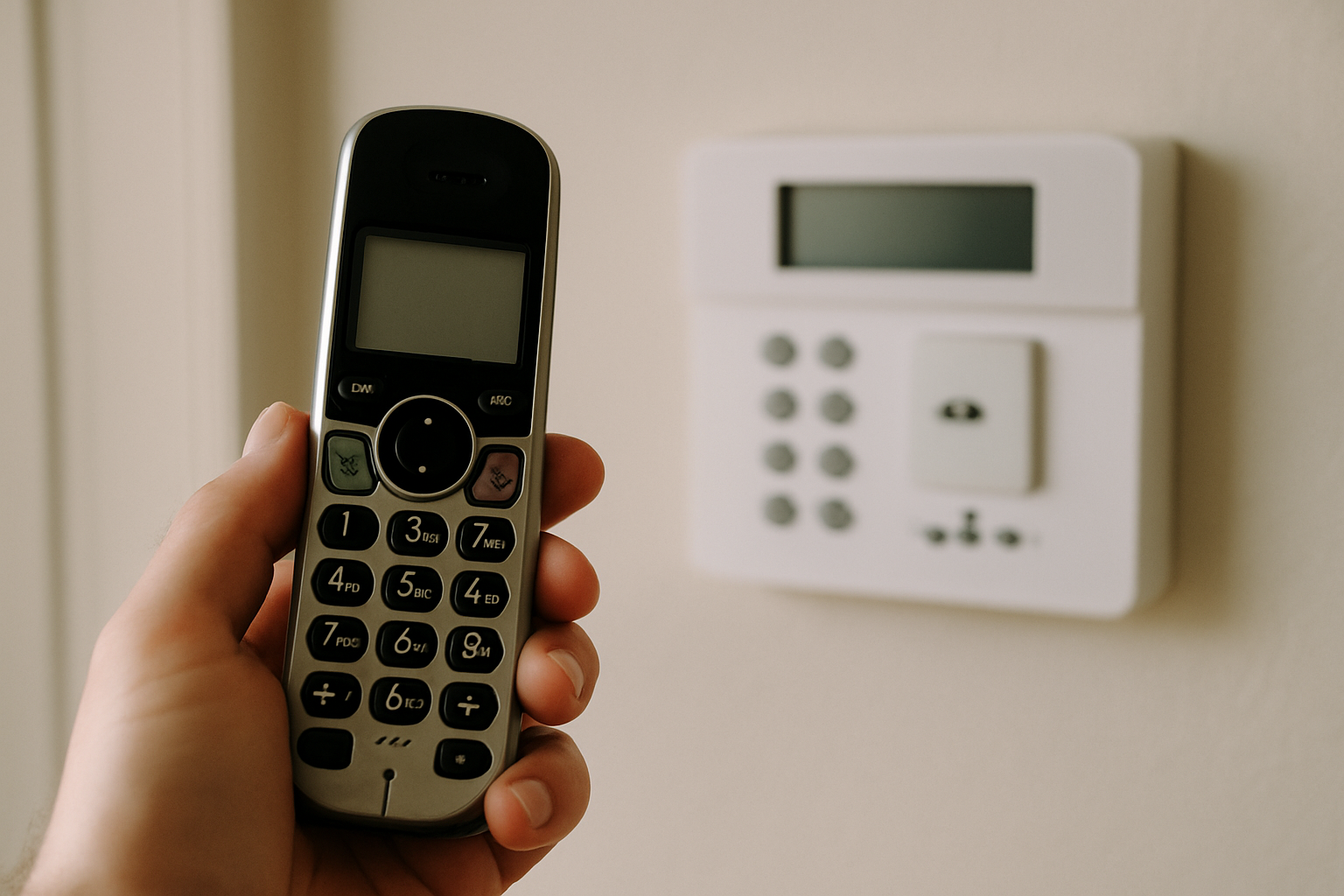
Are you considering ADT security but unsure if a home phone line is necessary? With 35% of households opting for cellular or internet-based security solutions, the need for a traditional landline is increasingly questioned. As a seasoned expert in home security systems, I will clarify whether a home phone is essential for ADT’s services. In this article, you’ll learn about the various communication methods available for security systems, the pros and cons of using a home phone, and alternative options to ensure your safety. By the end, you’ll be equipped to make an informed decision about your security setup.
Understanding Home Security Systems
Home security systems provide crucial protection for your property and loved ones. These systems often include various components such as alarms, cameras, and monitoring services. A common question arises regarding the necessity of a home phone line for these systems. Traditionally, many security systems used landlines to communicate alerts to monitoring centers. However, advancements in technology have led to alternative communication methods that do not require a home phone, including cellular networks and internet-based systems. Understanding these options is vital when considering your security setup.
Traditional Landline Communication
In the past, most home security systems relied on landlines to transmit alarm signals. This method is reliable but can be vulnerable to tampering. If an intruder cuts the phone line, the system may fail to communicate with the monitoring service. Despite this risk, landlines can provide a stable connection in certain areas, making them a viable option for some homeowners.
Cellular and Internet-Based Options
Modern security systems often utilize cellular networks or internet connections for communication. These methods are generally more secure and less susceptible to interference. Cellular systems can still operate during a power outage, while internet-based systems can offer additional features, such as remote access and monitoring through mobile apps, enhancing user convenience.
Key Points:
- Home security systems can use various communication methods.
- Landlines have vulnerabilities, while cellular and internet options offer enhanced security.
Evaluating Your Home’s Needs
Deciding whether you need a home phone for your ADT security system involves assessing your specific needs and circumstances. Consider factors such as your location, the level of security you desire, and your personal preferences. For instance, if you live in an area with frequent power outages, a cellular system may be a more reliable choice. Additionally, understanding your lifestyle and how often you travel can influence your decision on whether to maintain a home phone line.
Assessing Vulnerability Risks
Evaluate your home’s vulnerability to break-ins or emergencies. If your neighborhood has a high crime rate, investing in a more robust security system that operates without a landline could offer peace of mind. Consider your home’s layout and the potential for quick response times from emergency services when choosing your system.
Lifestyle Considerations
Your daily routine and travel habits can significantly impact your home security needs. If you frequently travel or spend long hours away from home, a system that offers mobile monitoring without a landline could be beneficial. This flexibility allows you to respond to alerts in real-time, regardless of your location.
Key Points:
- Evaluate your specific security needs based on location and lifestyle.
- Cellular or internet-based systems may offer more flexibility and reliability than landlines.
Understanding the Role of a Home Phone in Security Systems
A home phone can play a significant role in the functionality of traditional security systems, including ADT. Many older systems rely on a landline for communication with monitoring centers, making it essential for transmitting alarms. However, advancements in technology have led to the development of mobile and internet-based systems, which can function without a home phone. As a homeowner, it’s crucial to understand how your specific security system operates, as this will determine whether a home phone is necessary for optimal performance.
Traditional Landline Systems
Traditional security systems often depend on a landline to send signals to monitoring stations during an alarm event. This can provide a reliable means of communication; however, if the phone line is cut or fails, the system may not function as intended. Evaluating whether your existing system relies on this communication method is vital to understanding if a home phone is necessary.
Modern Alternatives: Cellular and Internet Monitoring
Modern security systems frequently utilize cellular and internet connections instead of landlines. These technologies offer enhanced reliability and faster communication with monitoring centers. If your system is designed for cellular or internet connectivity, a home phone may not be required, allowing for greater flexibility and potential cost savings.
Key Points:
- Understand the role of a home phone in traditional vs. modern systems.
- Evaluate whether your current system can operate effectively without a landline.
💡 Evaluate your current system’s communication method to determine the need for a home phone.
💡 Consider upgrading to a system that uses cellular or internet connectivity for enhanced reliability.
Evaluating Your Security Needs and Options
When deciding whether you need a home phone for your ADT security system, consider your specific security needs. If you live in an area with frequent power outages or service disruptions, a traditional landline may provide an added layer of reliability. Conversely, homeowners looking for flexibility may prefer systems that operate without a home phone. Assessing your lifestyle and preferences is key to making an informed decision about your security setup.
Assessing Your Security Environment
Understanding the security landscape of your neighborhood can help inform your decision. In areas with high crime rates, a robust and reliable security system is essential. A landline’s stability in emergencies might be useful, but if your neighborhood has good cellular service, this could mitigate that concern.
Budget Considerations
Budget constraints may also influence whether to maintain a landline for your security system. Home phone services typically come with monthly fees, which add to your overall security costs. By opting for a system that does not require a landline, you can potentially reduce expenses while still ensuring adequate protection.
Key Points:
- Evaluate your specific security needs based on your environment.
- Consider budget implications when deciding on a home phone for security.
💡 Research your neighborhood’s crime rates to determine the level of security needed.
💡 Factor in ongoing costs of a landline vs. potential savings from a no-phone system.
EXPERT TIPS Pro Advice
Consider dual communication methods.
Using both cellular and internet monitoring can provide redundancy, ensuring that your alarm system communicates effectively even if one method fails.
Regularly test your security system.
Perform routine tests of your alarm system to ensure it operates correctly, regardless of whether it relies on a home phone or other communication methods.
Stay informed about technological advancements.
Keeping up with the latest in security technology will help you make informed decisions about whether to maintain a home phone for your security needs.
Frequently Asked Questions
Conclusion
In conclusion, having a home phone is not necessary for ADT security systems. Options like cellular and internet monitoring can enhance your security experience. Understanding these alternatives helps you make informed decisions about your home protection.
🎯 Key Takeaways:
- Home phones are not required for ADT security.
- Cellular and internet monitoring offer reliable options.
- Smartphone apps enhance control and monitoring.
- Consider backup power sources for connectivity.
- Evaluate your needs before choosing a system.
Expert Advice: Assess your lifestyle and preferences when selecting a security system. Embrace modern technology for optimal safety and convenience, ensuring your home remains protected.
Explore your security options today and take the first step towards better home protection.
Leave a Reply