
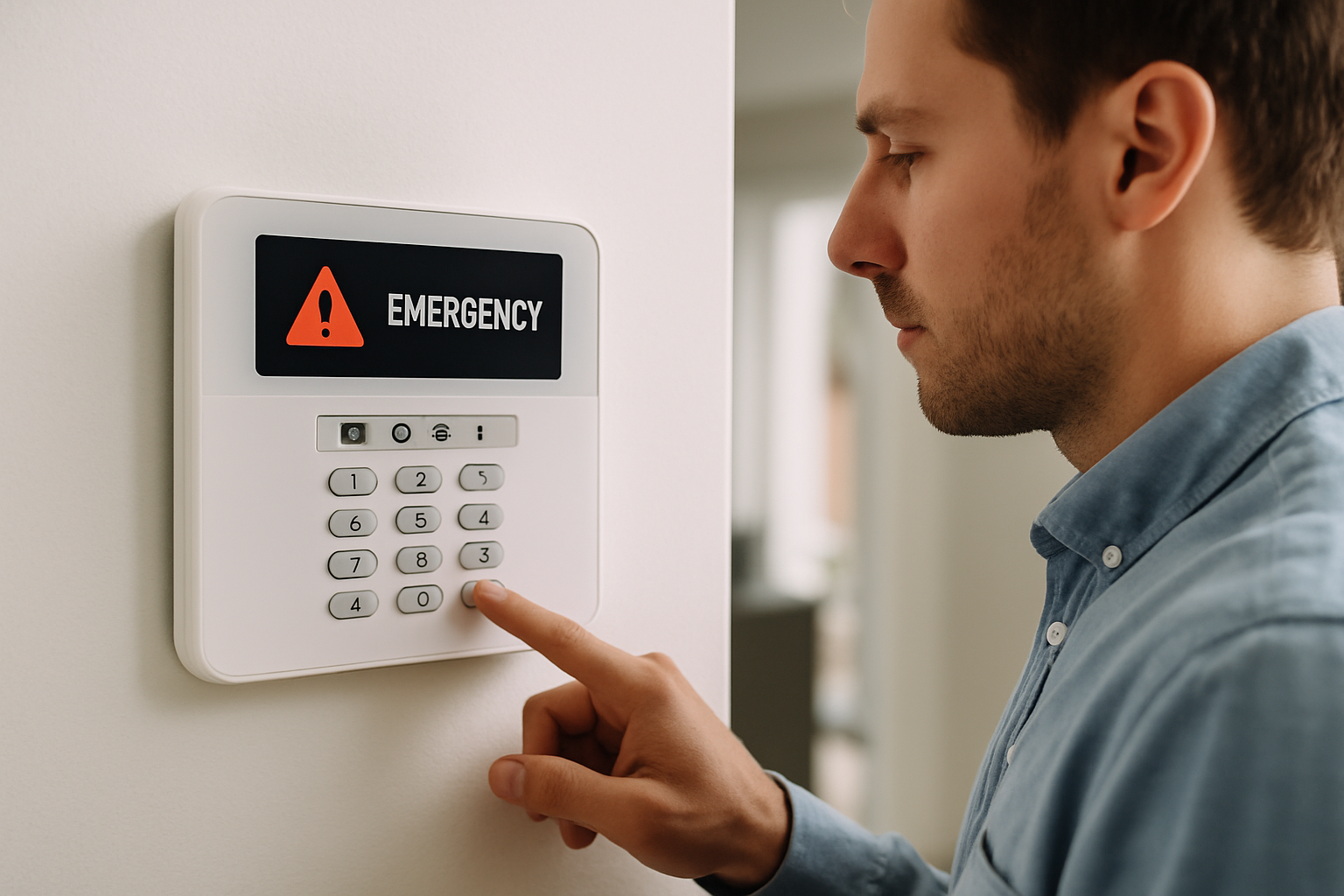
How prepared is your home for emergencies? In a world where safety is paramount, understanding how home security systems handle emergencies can make all the difference. With a significant number of break-ins and emergencies occurring daily, it’s crucial to know how these systems respond during critical moments. As an expert in home security strategies, this article will delve into the mechanisms and protocols that ensure your safety when it matters most. From immediate alerts to emergency services coordination, you will learn about the comprehensive approaches these systems utilize to safeguard your property and loved ones effectively.
Understanding Home Security Systems
Home security systems are designed to protect residences from unauthorized access, burglaries, and emergencies. These systems typically integrate various components such as alarms, cameras, and sensors. The primary purpose is to monitor surroundings and alert homeowners or authorities in case of suspicious activities or emergencies. Advanced systems can also connect to smart devices, enabling remote monitoring and control. Understanding how these systems function is crucial for homeowners to ensure effective security measures are in place.
Components of Home Security Systems
A standard home security system includes alarms, motion detectors, door/window sensors, and surveillance cameras. Alarms serve as the first line of defense, alerting homeowners and deterring intruders. Motion detectors track movement within or around the property, while sensors monitor entry points. Cameras provide visual documentation and can help identify intruders, enhancing overall security.
Types of Emergencies Managed
Home security systems handle various emergencies, including burglaries, fires, and medical incidents. In case of a break-in, the system triggers alarms and notifies the authorities. For fire emergencies, smoke detectors integrated into the system can alert homeowners and fire services. Medical alerts can be activated for health-related emergencies, ensuring prompt assistance.
Key Points:
- Home security systems combine multiple components for comprehensive protection.
- They can handle various emergencies, enhancing safety and response times.
Emergency Response Protocols
Effective home security systems have established emergency response protocols to ensure quick action during incidents. These protocols outline how the system reacts to different emergencies, including alarm triggers and notifications to authorities or homeowners. Understanding these protocols helps homeowners appreciate their system’s capabilities and limitations.
Alarm Activation and Notifications
When an alarm is triggered, the security system sends immediate alerts to the homeowner and, if programmed, local authorities. The notification process is crucial for ensuring rapid response times. Homeowners should familiarize themselves with how notifications are received, whether through phone calls, texts, or app alerts, to ensure they can act promptly.
Communication with Emergency Services
Home security systems often have direct communication lines with emergency services. This integration allows authorities to receive real-time information about the nature of the emergency. Understanding how this communication works can reassure homeowners that help will be dispatched quickly in critical situations.
Key Points:
- Emergency response protocols ensure swift actions during incidents.
- Understanding notifications and communication with services enhances preparedness.
Response Protocols of Home Security Systems
Home security systems are designed with specific response protocols to handle emergencies effectively. These protocols determine how the system reacts to various threats, ensuring a swift and appropriate response. When an alarm is triggered, the system typically sends notifications to the homeowner, local authorities, and monitoring centers. The speed and reliability of these responses can significantly impact the outcome of an emergency situation, making understanding these protocols essential for effective home protection.
Alarm Notification Process
Upon detecting a breach, home security systems immediately activate alarms and send notifications through various channels. Typically, homeowners receive alerts via smartphone apps, text messages, or calls, allowing them to assess the situation in real-time. This multi-channel approach ensures that no matter where the homeowner is, they can take immediate action or contact authorities.
Emergency Services Integration
Many advanced home security systems are integrated with local emergency services. This means that when an alarm is triggered, the system can automatically notify police, fire, or medical services. This integration reduces response time significantly, as emergency responders can be dispatched even if the homeowner is unavailable to call for help.
Key Points:
- Understanding response protocols is crucial for effective security.
- Integration with emergency services enhances safety and response efficiency.
💡 Ensure your contact information is up to date for faster notifications.
💡 Consider a system with local emergency service integration for quicker response times.
Detection Technologies in Emergency Situations
The effectiveness of home security systems in emergencies largely relies on their detection technologies. These technologies can identify various threats, from intrusions to fire hazards. Utilizing sensors and cameras, modern systems can provide comprehensive monitoring, ensuring that potential emergencies are detected early. Understanding how these technologies work can help homeowners choose the right system for their needs.
Motion Sensors and Intrusion Detection
Motion sensors are essential in detecting unauthorized entry. They work by sensing movement within designated areas and can distinguish between pets and intruders. When an intrusion is detected, these sensors trigger alarms and notifications, allowing for immediate action, thereby preventing potential theft or harm.
Fire and Carbon Monoxide Detectors
Fire and carbon monoxide detectors are critical components of home security systems. These detectors continuously monitor for smoke and toxic gases, providing alerts that can save lives. They often work in conjunction with the alarm system, ensuring that emergency services are notified promptly in case of a fire or gas leak.
Key Points:
- Detection technologies play a vital role in emergency preparedness.
- Regular maintenance of detection systems is essential for optimal performance.
💡 Regularly test and maintain your sensors to ensure they are functioning correctly.
💡 Consider a system that offers both motion and environmental hazard detection for comprehensive safety.
EXPERT TIPS Pro Advice
Regularly update your emergency contact list.
Having an updated list ensures that in case of an emergency, the right people are contacted promptly, enhancing the overall effectiveness of your security system.
Conduct regular drills for family members.
Practicing emergency scenarios prepares all household members to respond effectively, reducing panic and confusion during actual emergencies.
Invest in redundant systems.
Redundant systems, such as additional sensors or backup power sources, ensure that your home security remains functional even during power outages or primary system failures.
Review and adjust sensor placements periodically.
Over time, landscape changes or new furniture can obstruct sensors. Regular reviews help maintain their effectiveness in detecting threats.
Stay informed about local crime trends.
Understanding crime trends in your area can help you adjust your security measures and ensure your home security systems are tailored to current threats.
Frequently Asked Questions
Conclusion
Home security systems play a vital role in handling emergencies by detecting threats and alerting authorities. They can respond swiftly to various situations, including break-ins and fires. Understanding how these systems work is essential for effective emergency preparedness and peace of mind.
🎯 Key Takeaways:
- Home security systems use sensors to detect emergencies.
- They can handle multiple types of emergencies, including fires and break-ins.
- Quick response times are crucial for effective emergency management.
- Monitored systems provide round-the-clock surveillance and support.
- Having a plan in place is essential for family safety.
Expert Advice: Investing in a reliable home security system and understanding its features can greatly enhance your safety. Regularly test your system and review emergency plans to ensure everyone in your household knows how to respond effectively.
Take a moment to evaluate your home security measures and consider how you can improve your emergency preparedness today.
Leave a Reply