
Are you tired of a cluttered kitchen that makes cooking and meal prep a challenge? Knowing how to make a kitchen organizer at home can transform your space into a functional and enjoyable environment. With years of experience in home organization, I will guide you through some innovative and practical DIY solutions that cater to your specific needs. In this article, you will discover easy-to-follow methods for creating custom organizers using everyday materials, tips to maximize your kitchen space, and how to maintain an organized kitchen long-term. Say goodbye to chaos and hello to a beautifully organized kitchen!
Understanding the Importance of Kitchen Organizers
A well-organized kitchen is essential for efficiency and productivity. Creating a kitchen organizer at home not only saves time but also reduces stress by making it easier to find items. An organized kitchen can lead to improved meal preparation, allowing you to access ingredients and tools quickly. Additionally, it can enhance the aesthetic appeal of your space, creating a more inviting atmosphere. By investing time in organization, you can maximize your kitchen’s potential, ensuring that every item has its designated place, which ultimately benefits your cooking experience.
Benefits of a Kitchen Organizer
The primary benefit of a kitchen organizer is efficiency. By categorizing and storing items properly, you can locate utensils, spices, and ingredients at a moment’s notice. This organization minimizes clutter, making the kitchen more visually appealing. Furthermore, a well-organized kitchen can encourage cooking at home, leading to healthier eating habits and cost savings compared to dining out.
Common Challenges in Kitchen Organization
Some common challenges include limited space, clutter from rarely used items, and difficulty in maintaining organization over time. Overcoming these challenges involves assessing your specific needs and understanding the volume of items you possess. Additionally, it’s essential to implement a system that is easy to maintain, ensuring that your kitchen remains organized even with regular use.
Key Points:
- A well-organized kitchen enhances efficiency
- Proper organization can improve your cooking experience
💡 Consider your cooking habits when planning your organizer layout
💡 Regularly declutter to prevent items from accumulating
💡 Utilize vertical space for storage solutions
Planning Your Kitchen Organizer Design
Before diving into creating a kitchen organizer, it’s important to plan the design based on your kitchen layout and specific needs. Start by assessing what items you have and how often you use them. This process will allow you to prioritize which items need easy access and which can be stored away. Consider the types of organizers that suit your kitchen, such as drawer dividers, shelves, or hanging racks. A thoughtful design will help you maximize your space and ensure that everything is within reach when you need it.
Assessing Your Kitchen Space
Begin by measuring your kitchen space, noting where countertops, cabinets, and appliances are located. This assessment will help you determine the most effective use of vertical and horizontal space. Identify any underutilized areas, such as the insides of cabinet doors or corners, which can be transformed into additional storage opportunities.
Choosing the Right Materials
Selecting the right materials for your kitchen organizer is crucial. Consider using wood for a classic look, or metal for a modern aesthetic. Think about durability and ease of cleaning, as kitchen organizers often encounter spills and stains. The materials you choose should complement your kitchen’s overall design while being functional for your storage needs.
Key Points:
- Planning is key to effective kitchen organization
- Assessing space helps in maximizing storage opportunities
💡 Measure your space to avoid purchasing organizers that don’t fit
💡 Choose materials that are easy to clean and maintain
💡 Incorporate multifunctional items to maximize utility
Assessing Your Kitchen Space
Before creating a kitchen organizer, start with a thorough assessment of your available space. Identify areas that require organization and the types of items you frequently use. Consider vertical space and underutilized corners for potential solutions. Measure the dimensions of shelves, cabinets, and countertops to ensure that your organizer will fit perfectly. This step is crucial as it helps you avoid clutter and maximize efficiency in your kitchen layout.
Identifying Clutter Zones
Walk through your kitchen and pinpoint areas where clutter accumulates, such as countertops or drawers. List the items that contribute to the mess and categorize them. Understanding the problem areas allows you to focus your organizational efforts where they will have the most significant impact, ensuring a more functional kitchen environment.
Utilizing Vertical Storage
Consider how you can use vertical space effectively. Install shelves, pegboards, or hooks on walls to store pots, pans, and utensils. This not only frees up counter space but also makes items more accessible. Utilizing vertical storage can significantly enhance your kitchen’s functionality and aesthetic appeal.
Key Points:
- Identify clutter zones to target for organization.
- Maximize vertical space to improve kitchen efficiency.
💡 Start with a clean slate by decluttering your kitchen before organizing. This allows you to see what you have and what you truly need.
💡 When measuring your space, also consider the height of items you plan to store to avoid creating inaccessible areas.
DIY Kitchen Organizer Solutions
Creating your kitchen organizer can be a fun and rewarding project. Opt for solutions that fit your specific needs and style. From repurposing old furniture to crafting organizers from scratch, there are numerous creative ways to customize your space. Focus on materials that are durable and easy to clean, ensuring your organizers remain functional in the long run.
Repurposing Household Items
Look around your home for items that can be reused as organizers. For instance, old crates can serve as shelves, and mason jars can hold utensils or spices. This not only saves money but also adds a personal touch to your kitchen decor. Be creative and think outside the box when considering what materials you can repurpose.
Building Custom Solutions
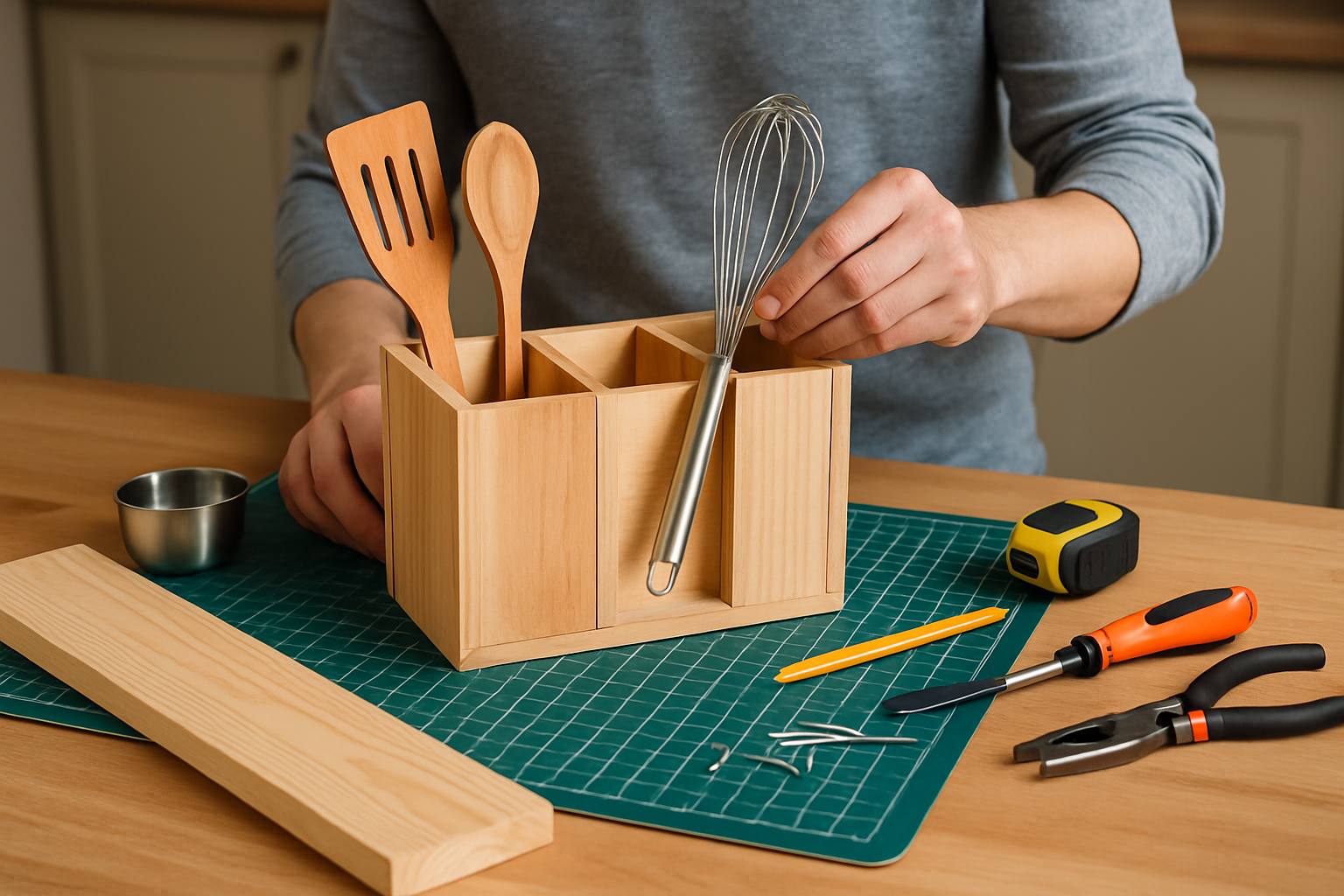
If you’re handy, consider building custom organizers tailored to your kitchen’s dimensions. Simple projects like a knife block, spice rack, or pull-out pantry can be made with basic tools and materials. Custom solutions are often the most efficient as they fit perfectly into your available space and can be designed according to your preferences.
Key Points:
- Repurpose household items for creative and cost-effective organizers.
- Building custom solutions allows for a tailored fit and functionality.
💡 Incorporate labels on your organizers to quickly identify contents, making it easier to maintain organization.
💡 Choose materials that complement your kitchen’s aesthetic to create a cohesive look.
EXPERT TIPS Pro Advice
Plan for flexibility in your designs.
Consider how your needs might change over time. Creating adaptable organizers can help accommodate new items or changes in your cooking style.
Incorporate multifunctional items.
Choose organizers that serve multiple purposes, such as a cutting board that doubles as a storage lid. This maximizes utility without taking up extra space.
Use clear containers for visibility.
Clear storage options allow you to quickly see what’s inside, reducing the time spent searching for items and encouraging better organization habits.
Frequently Asked Questions
Conclusion
Creating a kitchen organizer at home enhances efficiency and reduces clutter. By selecting suitable materials and personalizing your design, you can craft a functional space that meets your needs. Regular maintenance ensures longevity and continued effectiveness. Get creative with the space you have.
🎯 Key Takeaways:
- Measure your kitchen space before starting.
- Recycled materials can be creatively repurposed.
- Regular maintenance is key to keeping your organizer functional.
- Consider vertical space to maximize storage.
- Personalize designs to fit your cooking style.
Expert Advice: Embrace creativity and functionality in your kitchen organization project. Tailor your solutions to your unique needs and style, and don’t hesitate to experiment with different layouts and materials.
Start planning your kitchen organizer today and transform your cooking space into a more efficient and enjoyable area.
Leave a Reply