
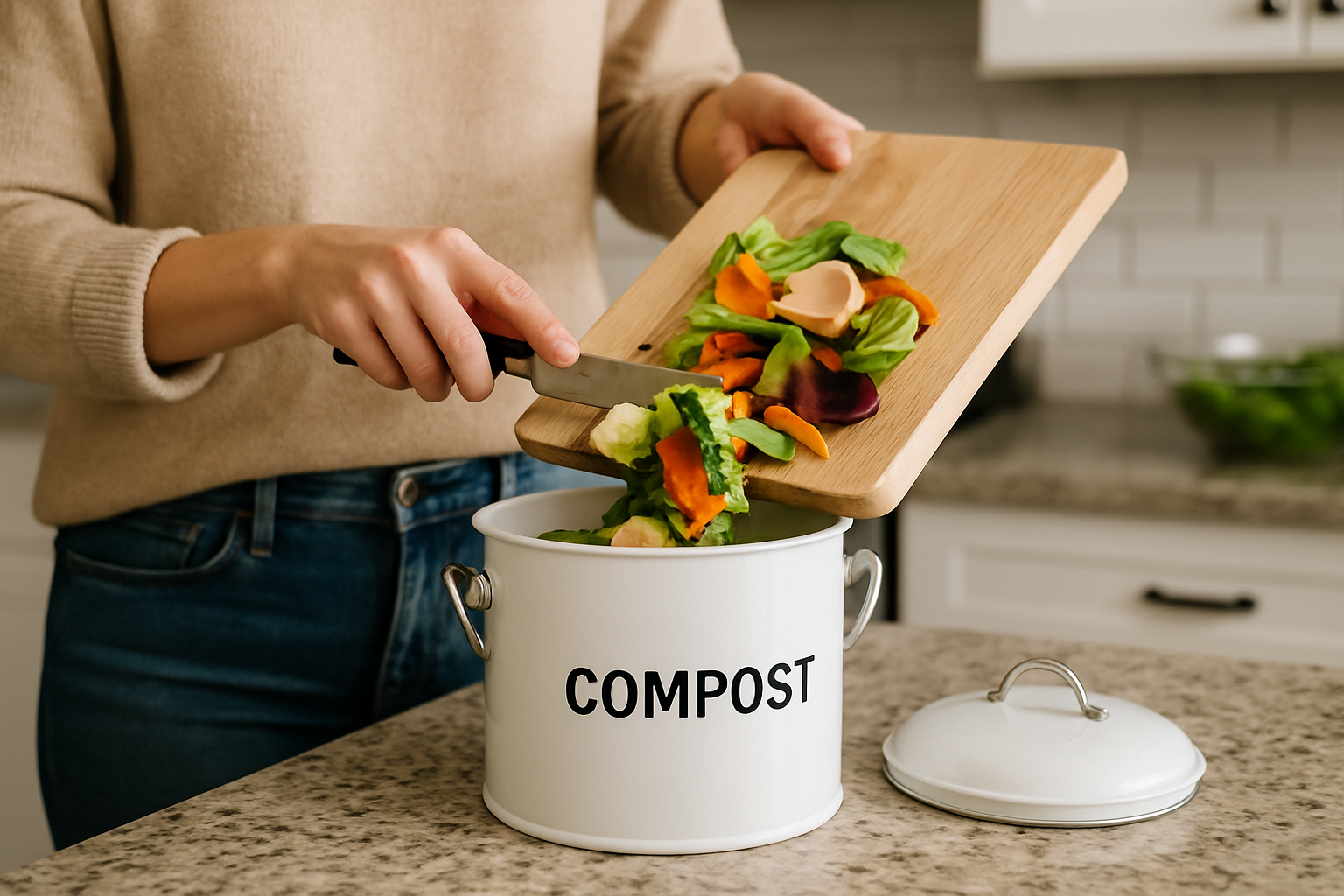
Are you looking for a sustainable way to reduce kitchen waste and enrich your garden soil? Did you know that nearly 30% of what we throw away can be composted? Learning how to make kitchen compost at home not only helps the environment but also provides you with nutrient-rich compost for your plants. With over 15 years of experience in sustainable gardening practices, I will guide you through the simple process of creating your own kitchen compost. In this article, you’ll discover the essential materials needed, the right methods to use, and tips to avoid common pitfalls in home composting. Let’s dive into the world of composting and turn your kitchen scraps into valuable resources for your garden.
Understanding Kitchen Composting
Kitchen composting is the process of recycling organic waste from your kitchen into nutrient-rich compost that can be used to enrich soil. This sustainable practice not only reduces landfill waste but also enhances your garden’s health. Composting involves the decomposition of organic materials, which can include vegetable scraps, fruit peels, eggshells, and coffee grounds. By understanding the basics, you can start making kitchen compost at home effectively and with minimal effort. The right balance of green and brown materials is essential for successful composting, as it ensures proper aeration and moisture levels, leading to faster decomposition.
Benefits of Kitchen Composting
Composting kitchen waste has numerous benefits that go beyond waste reduction. It enriches garden soil, helping it retain moisture and suppress plant diseases. Additionally, composting reduces greenhouse gas emissions by diverting organic matter from landfills. It also reduces the need for chemical fertilizers, promoting a healthier growing environment. By composting at home, you contribute to a sustainable lifestyle and create a valuable resource for your gardening needs.
What Can Be Composted?
Not all kitchen waste is suitable for composting. Acceptable materials include fruit and vegetable scraps, coffee grounds, eggshells, and paper products like napkins or cardboard. However, avoid composting meat, dairy products, and oily foods, as they can attract pests and create odor issues. Knowing what to include and exclude in your compost pile helps maintain a healthy composting environment, ensuring efficient decomposition.
Key Points:
- Composting reduces landfill waste and enriches soil
- Only certain kitchen scraps can be composted effectively
Getting Started with Kitchen Composting
Starting your kitchen compost is a straightforward process that requires minimal investment. Begin by selecting a suitable composting method, such as a compost bin, pile, or worm bin. Each method has its advantages, depending on your space, climate, and available materials. Once you have your composting system in place, start collecting kitchen scraps in a designated container. The key to successful composting lies in maintaining the right balance of green materials (nitrogen-rich) and brown materials (carbon-rich) to facilitate decomposition. Monitoring moisture levels and aeration will also enhance the composting process.
Choosing a Composting Method
There are several methods for composting at home, including traditional bins, compost piles, and vermicomposting (using worms). Traditional bins are ideal for small spaces and can be enclosed to manage odors. Compost piles work well for larger quantities of waste, while vermicomposting is excellent for those looking to compost indoors. Choose a method based on your available space, the volume of waste you generate, and ease of maintenance.
Maintaining Your Compost
To ensure your compost breaks down efficiently, turn it regularly to aerate the pile and promote decomposition. Monitor moisture levels; the compost should feel like a damp sponge. If it’s too dry, add water or more green materials; if it’s too wet, incorporate more brown materials. Keeping a balanced mix and maintaining the right conditions will lead to high-quality compost in just a few months.
Key Points:
- Select the right composting method for your space
- Regular maintenance is crucial for efficient composting
Understanding Kitchen Composting Basics
Composting at home is a sustainable way to recycle kitchen waste into nutrient-rich soil. To start, it’s essential to understand the components of effective composting. The ideal compost pile consists of a balanced mix of ‘greens’ (nitrogen-rich materials) and ‘browns’ (carbon-rich materials). Greens include vegetable scraps, coffee grounds, and grass clippings, while browns comprise dry leaves, cardboard, and wood chips. Maintaining the right ratio of these materials is crucial for the composting process to thrive and decompose efficiently.
Choosing the Right Location
Selecting an appropriate spot for your compost bin is key. Aim for a dry, shaded area with good drainage to prevent excess moisture accumulation. If possible, place the bin near your kitchen for easy access to food scraps. This convenience encourages regular composting and helps you maintain the pile more effectively.
Building Your Compost Bin
You can create a compost bin using various materials such as wood pallets, wire mesh, or even a plastic container. Ensure it has proper ventilation to allow airflow, which accelerates decomposition. A size of at least three feet on each side is recommended for optimal heat retention and microbial activity, aiding in faster composting.
Key Points:
- Balance greens and browns for effective composting.
- Choose a convenient location for easy access.
💡 Keep the compost pile moist but not soggy to encourage microbial activity.
💡 Turn the pile every few weeks to aerate and speed up decomposition.
Advanced Composting Techniques
Once you have mastered the basics, you can explore advanced composting techniques to enhance the process. One popular method is vermicomposting, which uses worms to break down organic matter more quickly. Another option is hot composting, which involves managing the pile’s temperature to speed decomposition. Maintaining a temperature between 130°F and 160°F can significantly reduce the time required to produce usable compost.
Vermicomposting Essentials
Vermicomposting is an efficient way to compost using red wigglers, which thrive on kitchen scraps. Set up a bin with bedding materials like shredded newspaper and add worms along with your food waste. Regularly monitor moisture levels; the bedding should be damp but not wet. This method can produce compost in as little as two months.
Hot Composting Techniques
Hot composting requires careful management of the pile’s size and composition to achieve high temperatures. Aim for a mix of greens and browns in a 1:3 ratio, and ensure the pile is large enough to retain heat. Use a compost thermometer to monitor the temperature, and turn the pile frequently to maintain aerobic conditions, promoting faster breakdown of materials.
Key Points:
- Vermicomposting can significantly speed up the composting process.
- Hot composting requires precise temperature control for best results.
💡 Use a compost thermometer to optimize temperature for hot composting.
💡 Layer materials properly to ensure air circulation and even decomposition.
EXPERT TIPS Pro Advice
Start small and scale up.
Begin with a manageable amount of kitchen scraps and gradually increase as you become more comfortable with the process. This reduces overwhelm and allows you to learn the nuances of composting.
Avoid composting meat and dairy.
These materials can attract pests and create odors. Stick to plant-based scraps to maintain a healthy compost environment.
Monitor moisture levels regularly.
Keeping the right moisture balance is crucial. Too dry, and decomposition slows; too wet, and you risk anaerobic conditions that can lead to odors.
Chop or shred materials for quicker decomposition.
Smaller pieces break down faster, allowing you to produce compost more quickly and efficiently.
Educate yourself on composting science.
Understanding the biological processes involved can help you troubleshoot issues and optimize your composting technique for better results.
Frequently Asked Questions
Conclusion
Making kitchen compost at home is a sustainable and rewarding practice that reduces waste and enriches your garden. By using the right materials, maintaining moisture, and turning your compost regularly, you can create nutrient-rich compost while supporting environmental health.
🎯 Key Takeaways:
- Use a mix of greens and browns for balanced compost.
- Turn your compost every 1-2 weeks to aerate.
- Maintain moisture levels similar to a damp sponge.
- Avoid meat and dairy to prevent odor and pests.
Expert Advice: Start small and gradually expand your composting efforts. Engage with local composting communities for tips and support, and embrace this eco-friendly practice to contribute positively to the environment.
Begin your kitchen composting journey today by collecting scraps and setting up your compost bin!
Leave a Reply