
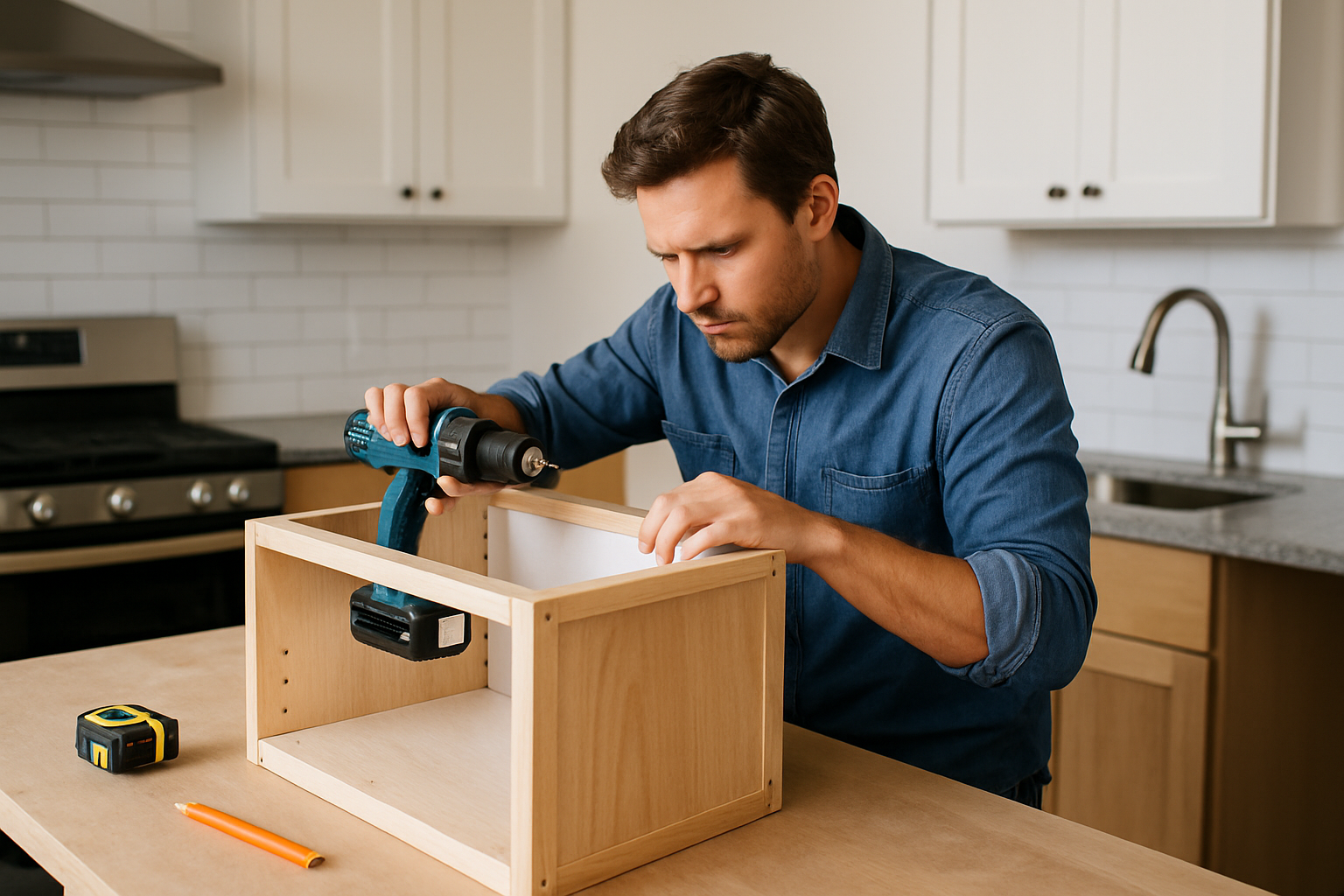
Are you tired of your dull kitchen decor and looking for a creative solution? Learning how to make a kitchen set at home can transform your cooking space into a stylish and functional area without breaking the bank. With over 15 years of experience in home decor and DIY projects, I’ll guide you through the process of crafting your own kitchen furniture that fits your unique style and needs. In this article, you will discover step-by-step instructions, essential materials, and design tips that will help you create a beautiful kitchen set from scratch. Whether you are a novice or a seasoned DIYer, this guide will equip you with the knowledge and confidence to enhance your kitchen like never before.
Understanding the Basics of Kitchen Sets
Creating a kitchen set at home begins with understanding the essential components that make up a functional kitchen. A kitchen set typically includes cookware, utensils, and storage solutions. Assessing your cooking habits and the space available can help you determine what items are necessary. By focusing on quality over quantity, you can build a versatile kitchen set that meets your needs without overcrowding your space. Consider the materials, sizes, and types of each item to ensure they complement each other and fit seamlessly into your cooking routine.
Essential Components of a Kitchen Set
Key components of a kitchen set include cookware like pots and pans, utensils such as spatulas and knives, and storage items like containers and racks. Each of these elements plays a crucial role in meal preparation and organization. Prioritizing multi-functional items can maximize your efficiency and minimize clutter.
Assessing Your Cooking Style
Your cooking style significantly influences the type of kitchen set you should create. If you often cook large meals, consider larger pots or skillets. For baking enthusiasts, prioritize mixing bowls and measuring tools. Understanding your preferences allows you to tailor your kitchen set to suit your culinary needs.
Key Points:
- Focus on essential cookware and utensils
- Tailor your kitchen set to your cooking style
Designing Your DIY Kitchen Set
Once you have a grasp on the basics, the next step is designing your DIY kitchen set. This involves selecting materials, choosing colors, and planning the layout. Crafting your own items can be a rewarding experience that also ensures your kitchen set reflects your personal style. Consider combining various materials, such as wood for utensils and metal for pots, to create a balanced look. Moreover, ensure that the design allows for easy storage and accessibility, facilitating a smooth cooking experience.
Choosing the Right Materials
The materials you select for your kitchen set can significantly impact functionality and durability. For cookware, opt for materials that provide even heat distribution, like stainless steel or cast iron. For utensils, consider materials that are heat-resistant and easy to clean, such as silicone or bamboo, to enhance usability and longevity.
Incorporating Personal Style
Your kitchen set should reflect your personality and preferences. Incorporate colors and designs that resonate with you, whether through painted pots or custom-built storage solutions. Personal touches can make your kitchen more inviting and enjoyable to use, ultimately enhancing your cooking experience.
Key Points:
- Select durable, functional materials
- Design should reflect personal style
Understanding the Basics of Kitchen Set Design
Creating a kitchen set at home begins with understanding the essential components and layout. A well-planned kitchen set includes cabinets, countertops, and functional spaces tailored to your cooking habits. Start by assessing your available space, then consider the workflow of your kitchen. The classic work triangle, which connects the stove, sink, and refrigerator, is a fundamental principle that optimizes efficiency. Ensure that all elements are accessible and that there’s adequate room for movement. Additionally, factor in storage solutions like drawers and shelves, which can significantly enhance functionality in smaller kitchens.
Assessing Your Space
Begin by measuring your kitchen dimensions, noting any architectural features such as windows or doorways. Create a scale drawing to visualize the layout. Consider how much counter space you need based on your cooking habits and whether you prefer a more open design or a closed-off kitchen.
Choosing the Right Materials
Select materials that suit your style and are practical for kitchen use. For countertops, consider durability and maintenance. Popular choices include wood, stone, and laminate. For cabinets, ensure the material can withstand heat and moisture while offering aesthetic appeal. Research materials that provide longevity and ease of cleaning.
💡 Incorporate a mix of open and closed storage for versatility
💡 Use light colors to make small kitchens feel larger
Building Your Kitchen Set Step-by-Step
Once you have a design plan, the next step is to build your kitchen set. This involves crafting each component, from cabinets to countertops. Start with the base cabinets, ensuring they are securely anchored to the wall for stability. Follow with the installation of countertops, which should fit snugly on top of the cabinets. Don’t forget to add finishing touches, such as hardware and backsplashes, which can enhance the overall look. To ensure longevity, follow proper installation techniques and consider sealing surfaces where necessary to prevent damage.
Cabinet Construction
Begin by cutting the wood to the recommended sizes based on your design. Assemble the cabinet frames using screws and wood glue for strength. Consider adding adjustable shelves for flexibility. Ensure that each cabinet is level before securing it to the wall.
Countertop Installation
After the cabinets are installed, measure and cut your countertop material accordingly. Use adhesive to secure the countertop to the cabinets, ensuring it is flush with the front edges. If using stone materials, professional installation may be advisable to prevent damage during cutting.
💡 Always wear safety gear when cutting materials
💡 Plan for ventilation if using power tools indoors
EXPERT TIPS Pro Advice
Plan for future needs
Consider how your cooking habits might evolve, allowing for flexible design choices that can adapt as your needs change.
Utilize vertical space
Maximize storage by using vertical space with tall cabinets or open shelving, which can make the kitchen feel more spacious.
Prioritize lighting design
Incorporate layered lighting to enhance functionality and ambiance, ensuring you have adequate task lighting over work areas.
Incorporate multi-functional elements
Design elements that serve multiple purposes, like an island that doubles as a dining table, to maximize utility in a compact space.
Keep it simple
Focus on a clean and simple design; less clutter leads to a more inviting space and easier maintenance.
Frequently Asked Questions
Conclusion
Creating a kitchen set at home is an enriching project that combines creativity with practicality. By selecting the right materials, designing efficiently, and focusing on functionality, you can achieve a beautiful and personalized kitchen space. Embrace the DIY spirit for a rewarding experience.
🎯 Key Takeaways:
- Gather essential materials and tools before starting.
- Design your kitchen set based on available space and needs.
- Use online resources and tutorials for guidance.
- Consider recycled materials for sustainability.
- Finish with protective coatings for durability.
- Avoid common measurement and planning mistakes.
Expert Advice: Don’t rush the process. Take your time to plan, measure, and construct your kitchen set carefully. Each step contributes to a result that reflects your personal style and enhances your cooking space.
Start sketching your design today and gather materials to begin your DIY kitchen set project!
Leave a Reply