Are you overwhelmed by the countless vacuum cleaner options available today? You’re not alone. With so many types and features to consider, finding the best vacuum cleaner for home use can feel daunting. As an expert in home cleaning solutions, I understand the importance of choosing a vacuum that suits your specific needs, whether you have pets, allergies, or varied floor types. In this article, we’ll explore the essential factors to consider when selecting a vacuum cleaner, the different types available, and practical tips to ensure you make an informed decision. By the end, you’ll have a clearer understanding of what is the best vacuum cleaner for home use tailored to your lifestyle.
Understanding Vacuum Cleaners
Vacuum cleaners are essential home appliances designed to remove dirt, dust, and allergens from various surfaces. Understanding the different types and features available can help you determine what is the best vacuum cleaner for home use. The primary types of vacuum cleaners include upright, canister, robotic, and handheld models, each offering unique advantages and disadvantages. For instance, upright vacuums typically provide powerful suction and are effective on carpets, while canister models are more versatile for various surfaces. Knowing the specific needs of your home, such as the type of flooring and presence of pets, can guide your choice.
Types of Vacuum Cleaners
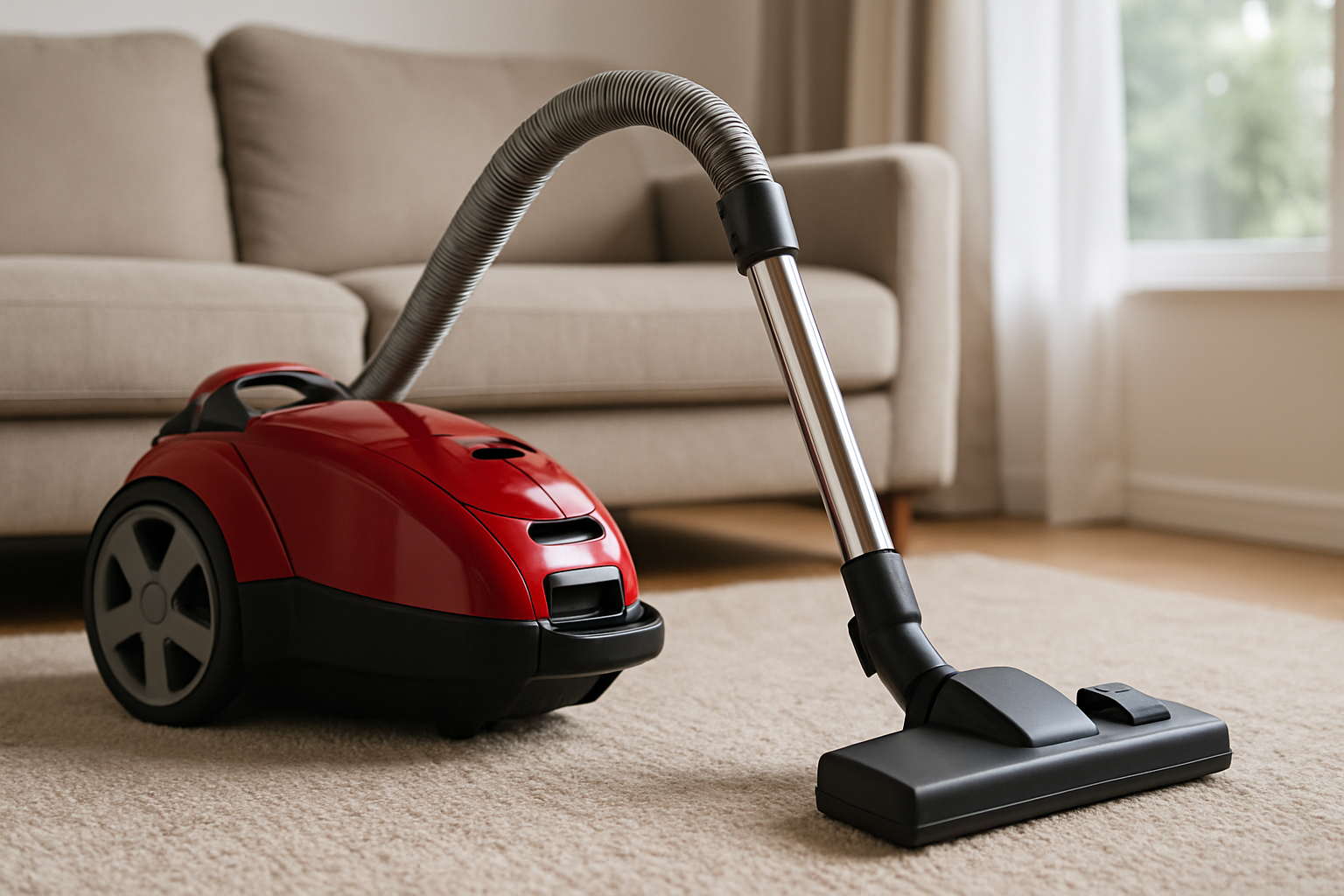
The most common types of vacuum cleaners are upright, canister, robotic, and handheld. Upright vacuums are generally powerful and efficient for carpets, while canister vacuums offer maneuverability for various surfaces. Robotic vacuums provide convenience and automation, great for maintaining clean floors with minimal effort, while handheld vacuums are perfect for quick cleanups in small spaces.
Key Features to Consider
When evaluating what is the best vacuum cleaner for home use, consider features such as suction power, filtration systems, and attachments. A vacuum with strong suction is essential for effective cleaning, particularly for carpets. Filtration systems, especially HEPA filters, are important for those with allergies, as they trap smaller particles. Additionally, various attachments can enhance cleaning versatility, allowing you to tackle different surfaces and hard-to-reach areas.
Key Points:
- Identify the type of vacuum that suits your home environment.
- Focus on features that enhance efficiency and address specific cleaning needs.
Assessing Your Home’s Cleaning Needs
To choose the best vacuum cleaner for your home, assess your cleaning needs based on your lifestyle and environment. Factors such as flooring type, presence of pets, and allergy considerations play crucial roles in determining the right vacuum. For example, homes with pets may benefit from vacuums designed for pet hair, while households with mostly hardwood floors might require models known for their effectiveness on hard surfaces. Furthermore, evaluating the size of your living space and the frequency of cleaning can help narrow down your options.
Flooring Types
Different flooring types require different vacuum features. Carpets benefit from vacuums with strong suction and brush rolls to lift dirt, while hardwood floors are best cleaned with vacuums that have soft bristles to avoid scratches. If your home has a mix of flooring, look for versatile models that can adapt to both surfaces.
Lifestyle Considerations
Your lifestyle can significantly influence the best vacuum cleaner choice. If you have children or pets, a vacuum that excels in picking up hair and allergens is essential. Additionally, consider how often you clean; if you prefer minimal maintenance, robotic vacuums may offer the automation you need to keep your home tidy with less effort.
Key Points:
- Evaluate your flooring types to match with the right vacuum features.
- Consider your lifestyle and cleaning frequency for optimal vacuum choice.
Understanding Vacuum Cleaner Types
To determine what is the best vacuum cleaner for home use, it is crucial to understand the various types available. Each type has its unique features, strengths, and weaknesses. The most common types include upright, canister, robotic, and handheld vacuums. Upright vacuums are often powerful and ideal for carpets, whereas canister models are flexible and effective for hard-to-reach areas. Robotic vacuums provide convenience but may lack suction power for deep cleaning. Handheld vacuums are portable and perfect for quick clean-ups. Understanding your home’s specific needs will help narrow down your options.
Upright vs. Canister Vacuums
Upright vacuums are generally better for larger carpeted areas, providing strong suction and ease of use. Conversely, canister vacuums are more versatile and can easily maneuver around furniture. They excel at cleaning hard floors and tight spaces. If your home has a mix of surfaces, considering both styles can be beneficial.
Robotic and Handheld Options
Robotic vacuums offer automation, making them suitable for daily maintenance without much effort. However, they may not replace deep cleaning. Handheld vacuums are great for spot cleaning and small messes, but they usually have limited battery life and capacity. The best vacuum choice depends on your lifestyle and cleaning habits.
Key Points:
- Understanding vacuum types helps identify the best fit.
- Each type serves different cleaning needs and preferences.
💡 Consider your home’s flooring type when choosing a vacuum cleaner.
💡 Evaluate your cleaning frequency to select the right vacuum type.
💡 Take into account any allergies or sensitivities that may require specific filtration features.
Key Features to Look For
When determining what is the best vacuum cleaner for home use, focus on essential features that enhance performance and usability. Key features include suction power, filtration systems, weight, and attachments. High suction power is essential for effective cleaning, especially in homes with pets or carpets. A quality filtration system, such as HEPA, is vital for reducing allergens. The weight of the vacuum can affect maneuverability and ease of use, particularly in multi-level homes. Attachments can also enhance versatility, making it easier to clean various surfaces.
Suction Power and Filtration
High suction power is crucial for deep cleaning, particularly in homes with carpets or pets. A vacuum with a strong motor will remove dirt and debris more effectively. Additionally, a good filtration system, like HEPA, captures allergens and improves air quality, making it essential for allergy sufferers.
Weight and Usability
The weight of a vacuum cleaner significantly impacts its usability. Lightweight models are easier to carry and maneuver, especially in homes with stairs. Look for models with ergonomic designs or features, such as adjustable handles, which enhance comfort during use.
Key Points:
- Key features enhance vacuum performance and user experience.
- Assessing individual needs will guide feature prioritization.
💡 Prioritize suction power, especially if you have pets or carpets.
💡 Look for vacuums with HEPA filters to improve air quality.
💡 Consider weight and ease of use to ensure you can clean efficiently without fatigue.
EXPERT TIPS Pro Advice
Test the vacuum in-store if possible.
Physically handling a vacuum allows you to assess its ease of use, weight, and comfort, ensuring it meets your specific needs.
Read customer reviews for real-world insights.
Customer feedback can provide valuable information about a vacuum’s long-term performance and reliability, helping you make a more informed decision.
Look for models with extended warranties.
A longer warranty often indicates manufacturer confidence in product durability, offering you peace of mind regarding your investment.
Consider maintenance costs.
Evaluate the cost of replacement parts, filters, and bags, as these can significantly impact the long-term cost of ownership.
Assess your cleaning frequency and habits.
Understanding how often you clean can help you choose a vacuum that matches your lifestyle, ensuring it’s efficient for your needs.
Frequently Asked Questions
Conclusion
Selecting the best vacuum cleaner for home use involves evaluating your cleaning needs, floor types, and features like suction power and filtration. Prioritize models that suit your lifestyle, whether you have pets or allergies. Understanding these factors can enhance your cleaning efficiency.
🎯 Key Takeaways:
- Consider suction power and filtration for effective cleaning.
- Assess your home environment to choose the right type.
- Vacuum frequency impacts home cleanliness and air quality.
- Bagged models contain allergens, while bagless offer convenience.
Expert Advice: Take your time to research and compare models based on your specific needs. A well-chosen vacuum can transform your cleaning routine and contribute to a healthier living space.
Explore various resources and reviews to find the perfect vacuum cleaner that meets your home cleaning requirements.
Leave a Reply