
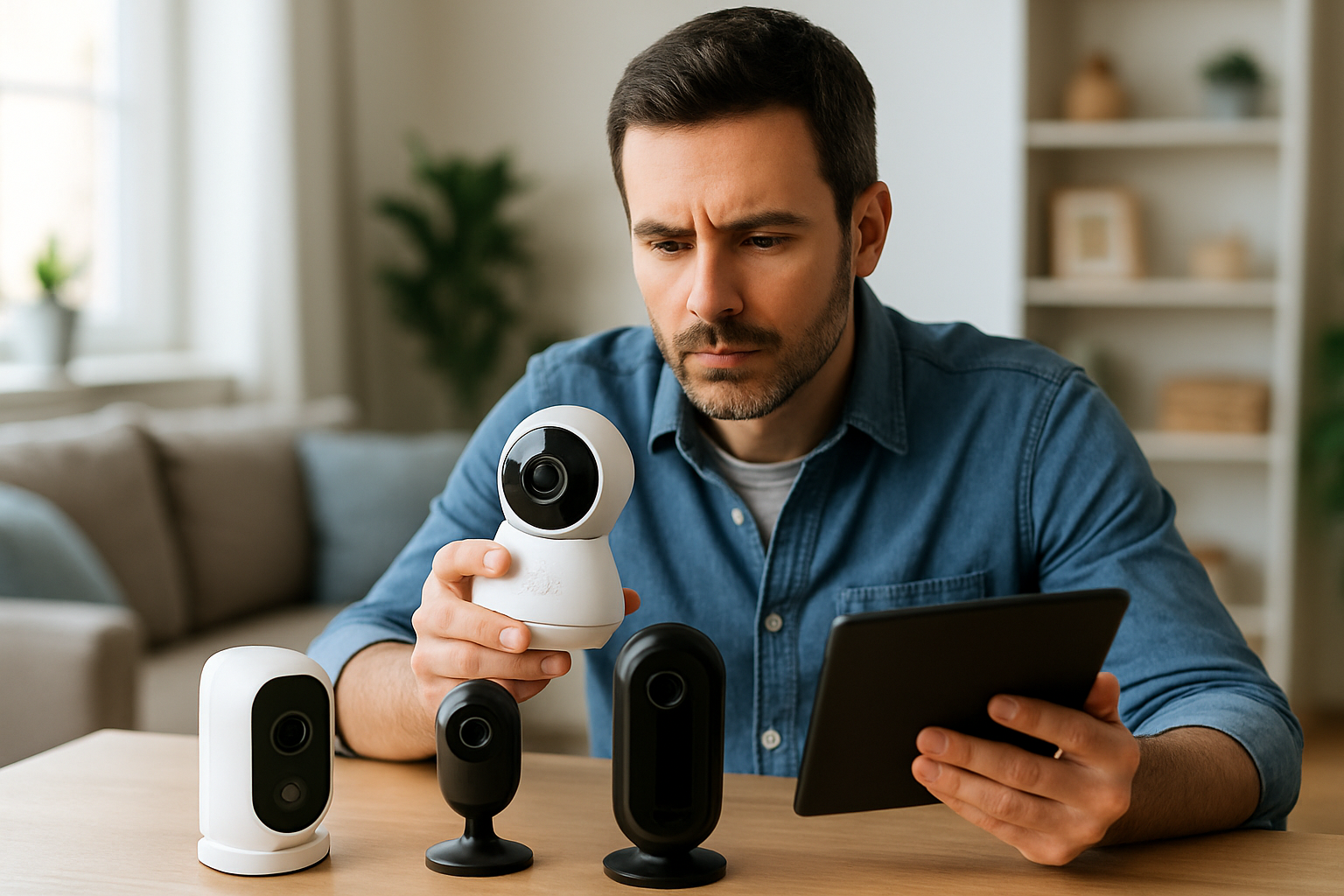
Are you concerned about the safety of your home and wondering what are the best home security cameras to protect your space? With statistics showing that homes without security systems are significantly more likely to be targeted by burglars, investing in a reliable home security camera is crucial. As an expert in home safety and security technology, I’m here to guide you through the essential features to look for and the various types of cameras available. In this article, you will learn about the key benefits of home security cameras, how to choose the right one for your needs, and the common pitfalls to avoid. Equip yourself with the knowledge to make an informed decision and enhance your home’s security effectively.
Understanding Home Security Cameras
Home security cameras have become an essential component of modern home safety systems. They provide surveillance and peace of mind, allowing homeowners to monitor their properties in real-time. The best home security cameras vary based on features, installation methods, and intended use. This section will explore the fundamental aspects of home security cameras that help in determining which ones might be the best fit for you.
Types of Home Security Cameras
Home security cameras can generally be categorized into two types: indoor and outdoor. Indoor cameras are typically designed to monitor the interior of your home, offering features like two-way audio and motion detection. Outdoor cameras are built to withstand weather conditions and often include night vision and wide-angle lenses. Understanding these types is crucial for selecting the best camera for your specific needs.
Key Features to Consider
When evaluating home security cameras, consider features like video resolution, field of view, and connectivity options. High-definition video quality ensures clearer images, while a wide field of view eliminates blind spots. Additionally, check if the camera offers Wi-Fi connectivity for remote access and alerts. These features significantly enhance the effectiveness of surveillance.
Key Points:
- Differentiate between indoor and outdoor cameras
- Focus on essential features like resolution and connectivity
Evaluating Your Security Needs
Before investing in home security cameras, it’s important to assess your specific security requirements. This involves considering factors such as the size of your property, potential vulnerabilities, and your lifestyle. A thorough evaluation ensures that you select the most effective camera system tailored to your needs and preferences.
Assessing Vulnerable Areas
Identify potential weak points in your security, such as entryways and windows. Pay attention to areas that lack visibility or are poorly lit. By recognizing these vulnerabilities, you can select camera placements that best cover these critical zones, enhancing your overall security strategy.
Lifestyle Considerations
Your daily routines and lifestyle also influence your choice of security cameras. For instance, if you travel frequently, consider cameras with remote monitoring capabilities. If you have pets, look for cameras that can distinguish between animals and humans to reduce false alerts. Tailoring your camera selection to your lifestyle enhances usability.
Key Points:
- Identify weak points in your home security
- Tailor your camera choice to your lifestyle
Understanding Key Features of Home Security Cameras
When assessing what are the best home security cameras, it’s crucial to understand the key features that enhance their effectiveness. High-resolution video quality is paramount; cameras with at least 1080p resolution provide clearer images, aiding in face and license plate recognition. Night vision capability ensures surveillance continues after dark, employing infrared technology for visibility in low light. Additionally, field of view is essential; wider angles allow cameras to cover more area, reducing the number of cameras needed. Finally, connectivity options, including Wi-Fi and Ethernet, impact ease of installation and reliability.
Video Quality and Resolution
Video quality is critical for home security cameras. A minimum resolution of 1080p is recommended for clear images. Higher resolutions, such as 4K, provide even more detail, which can be vital for identifying intruders. Look for features like HDR (High Dynamic Range) for better performance in varied lighting conditions.
Night Vision and Low-Light Performance
Night vision capabilities are essential for effective surveillance during nighttime or in poorly lit areas. Infrared technology allows cameras to capture clear images in darkness. Some cameras also offer color night vision, which uses low-light technology to provide more detailed images compared to standard infrared.
Field of View and Camera Placement
The field of view (FOV) determines how much area a camera can cover. A wider FOV reduces the number of cameras needed for comprehensive coverage. For optimal placement, consider mounting cameras at elevated positions to capture more area and deter potential intruders. Regularly assess camera angles to ensure they cover critical entry points.
💡 Prioritize 1080p or higher for clearer images
💡 Assess your home’s layout to strategically place cameras
💡 Check compatibility with smart home systems for easier monitoring
Evaluating Smart Features in Home Security Cameras
In the realm of smart home technology, understanding what are the best home security cameras involves evaluating their smart features. Motion detection is a critical feature that alerts homeowners to any movement in monitored areas. Cloud storage options enhance security by allowing access to footage from anywhere, while two-way audio enables real-time communication. Integration with smart home systems can enhance automation and control, providing greater convenience and security.
Motion Detection and Alerts
Motion detection technology is vital in modern security cameras. Advanced systems utilize AI to reduce false alarms from pets or moving branches. Alerts can be sent via smartphone notifications, allowing homeowners to respond promptly to suspicious activity. Look for customizable sensitivity settings to tailor alerts to your environment.
Cloud Storage and Footage Access
Cloud storage for security camera footage offers numerous advantages, including remote access and secure backup of recorded data. Homeowners can review footage from anywhere, enhancing peace of mind. When considering options, evaluate subscription costs and storage duration to ensure they align with your needs.
Integration with Smart Home Systems
Integration with smart home systems allows for enhanced functionality. Cameras that work with home automation systems can trigger lights or alarms when motion is detected. This not only deters intruders but also enhances overall home security. Ensure compatibility with your existing smart devices for seamless operation.
💡 Choose cameras with customizable motion settings
💡 Opt for cloud storage to secure footage
💡 Integrate with existing smart devices for enhanced functionality
EXPERT TIPS Pro Advice
Assess your specific security needs
Understanding your unique security requirements allows you to choose features that matter most, ensuring optimal protection for your home.
Regularly update camera firmware
Keeping firmware updated enhances security features and fixes vulnerabilities, ensuring your system remains effective against emerging threats.
Test camera angles and settings periodically
Regularly testing your camera setup helps maintain optimal coverage and performance, ensuring that all critical areas are monitored effectively.
Consider professional installation if needed
If you’re unsure about installation, hiring a professional ensures that cameras are correctly positioned for maximum coverage and effectiveness.
Utilize two-way audio for communication
Two-way audio allows you to communicate with visitors or deter intruders in real time, enhancing the functionality of your security system.
Frequently Asked Questions
Conclusion
Selecting the best home security cameras involves evaluating features, types, and costs. Prioritize high-resolution video, consider integration with smart home systems, and think about storage options. Security is paramount, so invest wisely in technology that meets your unique needs.
🎯 Key Takeaways:
- Look for high-resolution video and essential features like night vision.
- Consider your specific security needs when choosing camera types.
- Protect your cameras from hacking with strong passwords and updates.
- Understand the cost implications and plan your budget accordingly.
Expert Advice: Take the time to research and compare different security cameras. Understanding your needs and available options will empower you to make an informed decision that enhances your home security effectively.
Start assessing your home security needs today and explore available options to safeguard your home.
Leave a Reply