
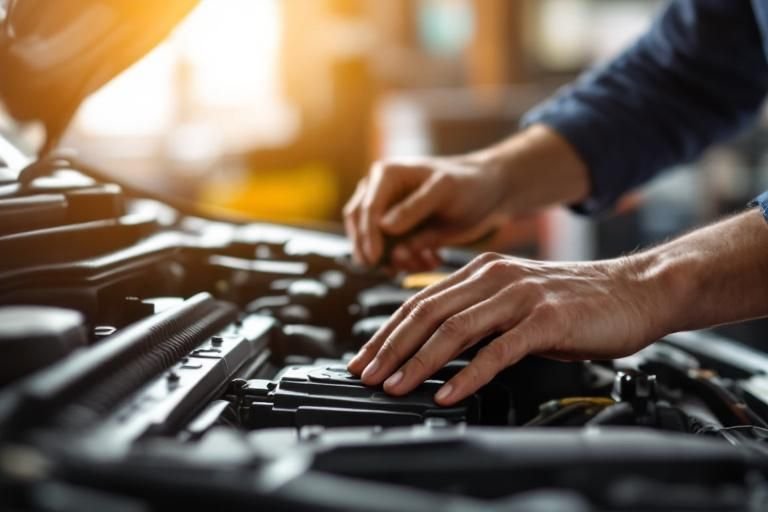
Are you a new car owner feeling overwhelmed by the thought of car maintenance? You’re not alone—many beginners struggle to understand the essential car maintenance tips for beginners that can help keep their vehicles running smoothly. Neglecting basic upkeep can lead to costly repairs and safety issues down the road. As an experienced automotive expert, I’ve compiled crucial maintenance tips that every beginner should know. In this article, you’ll learn about routine checks, key maintenance tasks, and the importance of regular servicing. By following these guidelines, you’ll not only extend the life of your vehicle but also enhance its performance and safety. Let’s dive into the essential practices that will empower you to take charge of your car’s health.
Understanding the Basics of Car Maintenance
For beginners, grasping the fundamentals of car maintenance is crucial for ensuring vehicle longevity and performance. Regular maintenance not only improves the reliability of your car but also enhances safety on the road. Familiarizing yourself with basic maintenance tasks can save you money in the long run by preventing costly repairs. Start by reading your vehicle’s owner manual, which provides essential information on maintenance schedules and specifications. Keeping track of these tasks will help you avoid neglecting your car’s needs.
The Importance of Regular Oil Changes
Oil changes are vital for keeping your engine running smoothly. Engine oil lubricates the moving parts, reducing friction and wear. Over time, oil degrades and can lead to engine damage. Most cars require an oil change every 3,000 to 7,500 miles, but always check your owner manual for specifics. Regular oil changes help maintain engine performance and efficiency.
Checking Tire Health
Tire maintenance is essential for safety and fuel efficiency. Regularly check tire pressure and tread depth. Under-inflated tires can lead to poor handling and increased fuel consumption. Use a tire pressure gauge to ensure your tires are inflated to the recommended PSI. Additionally, replace tires when tread wears down to 2/32 of an inch to maintain traction, especially in wet conditions.
Key Points:
- Basic maintenance helps prevent costly repairs.
- Understanding your car’s needs enhances safety and performance.
💡 Regularly check your oil level and top it off as needed.
💡 Learn how to change a tire; it’s a crucial skill for emergencies.
Essential Maintenance Tasks for Beginners
As a beginner, focusing on a few essential maintenance tasks can significantly impact your car’s health. Knowing how to perform basic checks and services empowers you and can extend your vehicle’s lifespan. Start with tasks that don’t require special tools or extensive mechanical knowledge. Regularly scheduled maintenance, such as fluid checks, filter replacements, and battery care, should be part of your routine. Making a checklist can help you stay organized and ensure nothing is overlooked.
Monitoring Fluid Levels
Your vehicle relies on several fluids for operation, including coolant, brake fluid, and transmission fluid. Regularly check these levels to ensure they are within the recommended range. Low fluid levels can lead to severe mechanical issues. If you notice any fluids leaking, address the problem promptly, as it may indicate a more serious issue.
Cleaning and Replacing Air Filters
Air filters play a crucial role in maintaining engine efficiency and performance. A clean air filter ensures your engine receives the right amount of air, which is essential for combustion. Inspect your air filter every 12,000 miles, and replace it if it appears dirty or clogged. A clean filter can improve fuel efficiency and enhance overall engine performance.
Key Points:
- Basic tasks can greatly enhance vehicle performance.
- Regular checks prevent minor issues from becoming major problems.
💡 Establish a routine check-up schedule to stay ahead of maintenance.
💡 Keep a maintenance log to track services performed and upcoming needs.
Understanding the Basics of Car Maintenance
For beginners, understanding the fundamentals of car maintenance is crucial for ensuring vehicle longevity and safety. Regular maintenance not only prevents costly repairs but also improves fuel efficiency and performance. Familiarize yourself with basic tasks, such as checking fluid levels, tire pressure, and battery condition, to keep your car running smoothly. Establishing a routine maintenance schedule can help you stay on track and catch potential issues early.
Checking Fluid Levels
Regularly checking oil, coolant, brake, and transmission fluids is essential. Use the dipstick to assess oil levels and ensure they’re within the recommended range. For coolant, look for the reservoir marked with minimum and maximum levels. Keeping these fluids at optimal levels prevents engine overheating and maintains braking efficiency, which is vital for safe driving.
Tire Maintenance
Tire maintenance includes checking pressure, tread depth, and overall condition. Use a tire pressure gauge to ensure tires are inflated to the manufacturer’s specifications. Inspect tread depth using the penny test: insert a penny into the tread; if you can see all of Lincoln’s head, it’s time for new tires. Properly maintained tires enhance fuel efficiency and provide better traction, improving safety.
Key Points:
- Understanding basic maintenance helps extend your vehicle’s life.
- Regular checks can prevent minor issues from becoming major problems.
💡 Establish a maintenance schedule to track fluid changes and inspections.
💡 Always keep a basic toolkit in your car for emergency repairs.
Advanced Maintenance Techniques for Beginners
Once you grasp the basics, exploring advanced maintenance techniques can save money and deepen your understanding of your vehicle. Learning to perform tasks like changing oil, replacing air filters, and rotating tires can enhance your confidence and self-sufficiency. These skills not only improve your car’s performance but also empower you to save on labor costs at repair shops.
Changing Engine Oil
Changing engine oil is a fundamental skill that can easily be learned. First, gather necessary tools like an oil filter wrench, a drain pan, and a funnel. Warm up the engine slightly to help the oil drain out smoothly, then remove the drain plug and let the old oil flow into the pan. Replace the oil filter and refill with new oil, following the manufacturer’s specifications. Regular oil changes enhance engine performance and longevity.
Replacing Air Filters
Replacing your car’s air filter is an easy task that can boost engine efficiency. Start by locating the air filter box, typically found near the engine. Remove the cover and take out the old filter, noting its orientation for replacement. Insert the new filter in the same position and secure the cover. A clean air filter ensures optimal airflow to the engine, improving fuel efficiency and performance.
Key Points:
- Learning advanced techniques can save money and increase confidence.
- Regular maintenance tasks can significantly impact your vehicle’s performance.
💡 Watch online tutorials to learn advanced maintenance techniques.
💡 Keep a maintenance log to track what you’ve done and what needs attention.
EXPERT TIPS Pro Advice
Join a local car maintenance workshop.
Participating in hands-on workshops allows you to learn from professionals and ask questions, enhancing your understanding of car maintenance.
Create a car maintenance checklist.
A checklist helps you stay organized and ensures you don’t overlook essential tasks, making maintenance more manageable and systematic.
Invest in a reliable repair manual.
A repair manual specific to your vehicle provides detailed instructions and diagrams, empowering you to tackle maintenance tasks with confidence.
Stay informed about recalls and service bulletins.
Being aware of recalls and service bulletins related to your vehicle can prevent potential safety issues and keep your car in optimal condition.
Frequently Asked Questions
Conclusion
Understanding essential car maintenance tips is vital for beginners to ensure vehicle longevity and safety. Regular checks on oil, tires, and brakes can prevent costly repairs and enhance performance. By staying proactive, you can confidently maintain your vehicle without needing professional help.
🎯 Key Takeaways:
- Regular oil changes are crucial for engine health.
- Tire pressure and tread depth should be checked frequently.
- Basic maintenance tasks can often be performed by yourself.
- Seasonal checks help prepare your car for changing weather.
- Brake maintenance is key for safe driving.
Expert Advice: Stay informed and proactive about your vehicle’s maintenance. Regular checks can save you time and money while ensuring your safety on the road. Don’t hesitate to consult resources or professionals if you encounter uncertainties.
Start by creating a simple maintenance checklist and schedule your first oil change!
Leave a Reply