
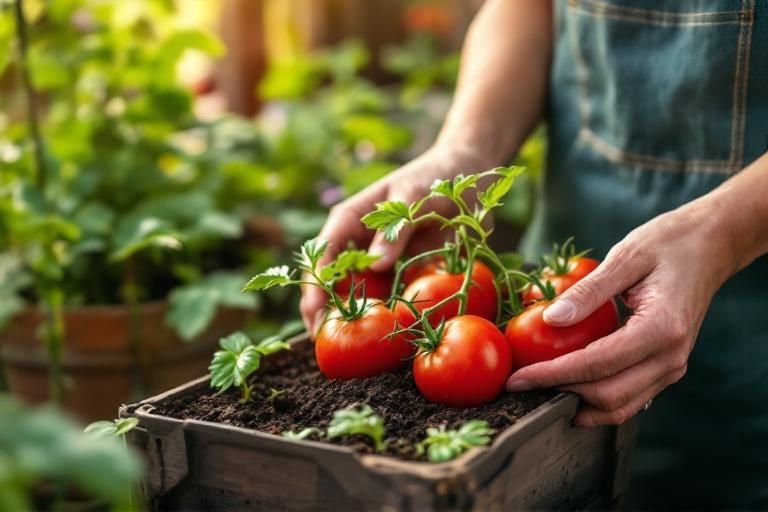
Are you looking to grow delicious tomatoes but limited by space? Growing tomatoes in containers is an excellent solution that allows you to enjoy fresh produce even in small areas. With the right techniques, you can cultivate healthy tomato plants that yield a bountiful harvest. As an experienced gardener, I will share valuable tips for growing tomatoes in containers that cover everything from selecting the right pots to ensuring proper care and maintenance. In this article, you will learn how to choose the ideal tomato varieties for container gardening, the best soil and watering practices, and essential pest management strategies to keep your plants thriving. Let’s dig into the essential tips for growing tomatoes in containers and transform your gardening experience!
Understanding Container Requirements for Tomatoes
Growing tomatoes in containers can be highly rewarding but requires specific conditions for optimal growth. First, choose containers that are at least 5 gallons in size to provide sufficient root space. Materials like plastic, ceramic, or fabric can all work well, but ensure they have adequate drainage holes. Proper drainage is crucial because tomatoes do not thrive in waterlogged soil. Additionally, consider the weight of the container, especially when filled with soil and plants, to ensure it can be easily moved if needed.
Choosing the Right Container Size
A larger container facilitates better root growth and moisture retention. For most tomato varieties, a minimum of 5 gallons is recommended, but larger sizes can yield better results. If planting multiple tomatoes, ensure each has its own container to prevent root crowding.
Selecting Container Materials
Containers come in various materials, each affecting soil temperature and moisture retention differently. Plastic containers are lightweight and retain heat well, while ceramic pots offer good aesthetics and insulation but may be heavier and less portable.
Ensuring Proper Drainage
Drainage is vital to prevent root rot. Ensure your container has several holes at the bottom. You can also add a layer of gravel or stones at the base to enhance drainage and prevent soil from clogging the holes.
Key Points:
- Select a minimum 5-gallon container for optimal growth
- Choose materials based on portability and insulation
- Ensure adequate drainage to prevent root rot
Essential Soil and Nutrient Considerations
The choice of soil and nutrients plays a critical role in the success of container-grown tomatoes. Use a high-quality potting mix specifically designed for container gardening. These mixes provide good aeration and drainage, essential for healthy root systems. Additionally, regular fertilization is necessary to replenish nutrients that wash away with watering. Look for organic options that provide a slow-release of essential nutrients, supporting plant growth throughout the season.
Choosing the Right Potting Mix
Opt for a potting mix that contains ingredients like peat moss, vermiculite, or compost. These materials enhance soil structure, retain moisture, and provide essential nutrients. Avoid using garden soil as it can compact in containers and lead to poor drainage.
Understanding Nutrient Needs
Tomatoes require a balanced supply of nitrogen, phosphorus, and potassium. Initial fertilization at planting is crucial, followed by regular feeding every four to six weeks during the growing season to ensure healthy growth and fruit production.
Managing Soil Moisture Levels
Container soil can dry out quickly, particularly in warm climates. Regular monitoring is essential. Water when the top inch of soil feels dry to the touch. This promotes healthy root growth and prevents stress on the plant, leading to better yields.
Key Points:
- Use a high-quality potting mix designed for containers
- Regularly fertilize to maintain nutrient levels
- Monitor soil moisture to prevent drying out
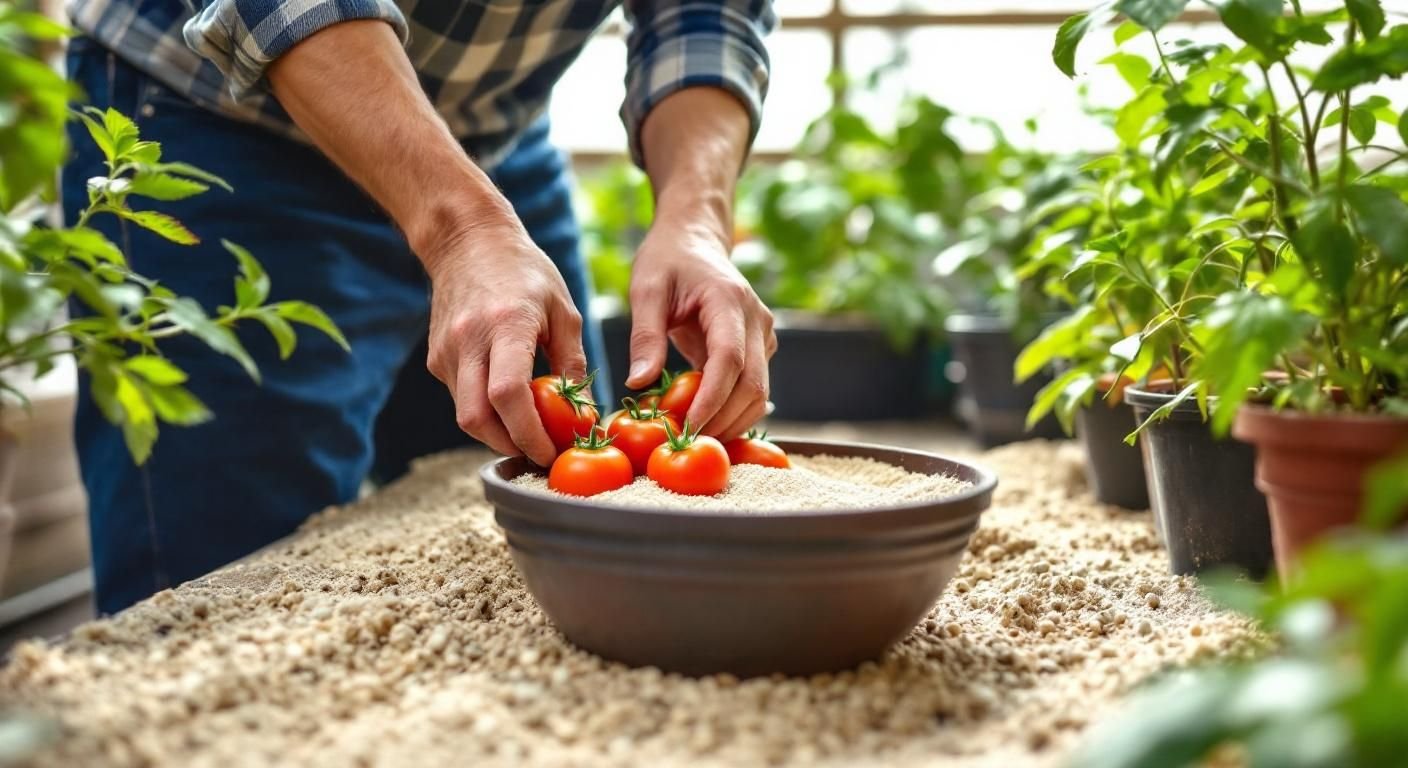
Choosing the Right Container for Tomatoes
When growing tomatoes in containers, selecting the right type and size of container is crucial for the plant’s success. A container should ideally be at least 5 gallons in volume to provide adequate space for root development. Additionally, containers made from materials like plastic, wood, or ceramic can affect moisture retention and temperature. Ensure that any container you choose has sufficient drainage holes to prevent waterlogging, which can lead to root rot and other issues.
Size Matters
The size of the container directly influences the health and yield of your tomato plants. A larger container supports more significant root systems, allowing for better nutrient uptake and moisture retention. For indeterminate varieties, consider larger containers, at least 10-15 gallons, while determinate types can thrive in 5-7 gallon pots.
Material Selection
The material of your container affects the growth environment. Plastic containers are lightweight and retain moisture, while clay pots are porous and allow for better air circulation. Consider your climate when choosing materials; in hot areas, lighter materials may prevent overheating, whereas heavier materials can stabilize temperature fluctuations.
Key Points:
- Larger containers support better root systems.
- Material affects moisture retention and temperature stability.
💡 Always choose a container that is at least 5 gallons in size for optimal growth.
💡 Use containers with drainage holes to prevent waterlogging.
Soil and Fertilization Techniques
The soil you use for growing tomatoes in containers is as important as the container itself. A high-quality potting mix designed for vegetables provides the necessary nutrients and drainage for healthy growth. Additionally, regular fertilization is essential to replenish nutrients that get depleted over time. Consider using organic fertilizers that release nutrients slowly to maintain consistent growth throughout the season.
Using Potting Mix
Opt for a lightweight potting mix that combines peat, perlite, and compost. This mix ensures aeration and good drainage, preventing root suffocation. Avoid using garden soil, as it can compact in containers and lead to poor drainage and nutrient availability.
Fertilization Schedule
Apply a balanced fertilizer every 4-6 weeks during the growing season. Look for fertilizers that are higher in phosphorus (the middle number in N-P-K ratios) to promote flowering and fruiting. Always follow the recommended dosage to prevent nutrient burn.
Key Points:
- Quality potting mix is crucial for drainage and nutrients.
- Regular fertilization supports continuous growth and fruit production.
💡 Use a high-quality potting mix designed for vegetables.
💡 Fertilize every 4-6 weeks with a balanced fertilizer for optimal growth.
EXPERT TIPS Pro Advice
Rotate Your Crops
Rotating the location of your containers each season can help prevent soil-borne diseases and nutrient depletion, ensuring healthier plants and better yields.
Monitor Watering Needs
Tomatoes in containers often require more frequent watering than those in the ground. Check moisture levels daily, especially during hot weather, to avoid stress on the plants.
Provide Support Early
Install stakes or cages when planting to support growth. Early support prevents damage to the roots and ensures that plants grow upright, enhancing air circulation and sunlight exposure.
Prune Regularly
Regular pruning of suckers and leaves allows for better air circulation and focuses the plant’s energy on fruit production, leading to healthier plants and higher yields.
Choose the Right Varieties
Opt for container-friendly tomato varieties, such as determinate types, which are bred for smaller spaces and offer a good yield without overgrowing the container.
Frequently Asked Questions
Conclusion
Growing tomatoes in containers can be rewarding with the right techniques. Ensure adequate container size, quality soil, and proper watering. Regular fertilization and support systems are essential for a bountiful harvest. By understanding the needs of container tomatoes, you can enjoy fresh produce from your patio or balcony.
🎯 Key Takeaways:
- Choose containers at least 5 gallons with drainage.
- Water daily, ensuring consistent moisture without overwatering.
- Use high-quality potting mix, not garden soil.
- Fertilize every 4-6 weeks with balanced fertilizer.
- Provide adequate sunlight and support for healthy growth.
Expert Advice: Pay close attention to your tomato plants’ needs, adjusting care as necessary. Regular monitoring will lead to a fruitful harvest, even in limited spaces.
Start your container gardening journey today by preparing your containers and selecting the right tomato varieties for your space.
Leave a Reply