
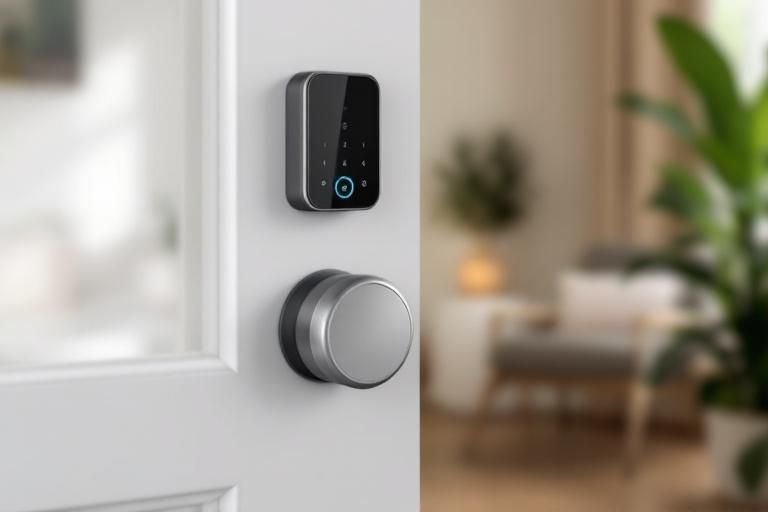
Are you looking to enhance your home security with the best smart lock for Google Home? With the rise of smart home technology, choosing the right lock can feel overwhelming. Statistics show that smart locks can significantly improve home safety and convenience, allowing you to control access remotely and monitor entry points. As an expert in smart home solutions, I will guide you through essential features to consider and the benefits of integrating a smart lock with Google Home. By the end of this article, you’ll be equipped with the knowledge to make an informed decision for your home security needs.
Understanding Smart Locks and Google Home Integration
Smart locks are electronic locking devices that allow you to secure your home using a smartphone app, keypad, or biometric technology. The integration with Google Home adds a layer of convenience, enabling voice control and automation. This combination empowers users to manage their locks remotely, receive notifications, and create schedules for access, enhancing home security. Understanding this technology’s functionality is vital for selecting the best smart lock for Google Home.
What is a Smart Lock?
A smart lock replaces traditional keys with digital options, such as mobile apps, keypads, or fingerprint scanners. Users can lock or unlock doors remotely, share access with guests, and monitor entry logs. This technology not only simplifies entry but also provides enhanced security features like alarms and tamper alerts.
How Google Home Works with Smart Locks
Google Home acts as a central hub for smart devices, including smart locks. By linking your smart lock to Google Home, you can control it using voice commands. For example, you can say, ‘Hey Google, lock the front door,’ making it easy to secure your home without needing to use a smartphone or keypad.
Benefits of Smart Lock Integration with Google Home
Integrating a smart lock with Google Home offers numerous benefits, including remote access control, automation, and enhanced security. Users can create routines, such as automatically locking doors at night or unlocking them when arriving home. This integration not only increases convenience but also helps maintain a secure living environment.
Key Points:
- Smart locks enhance home security and convenience.
- Google Home integration allows for voice-controlled access.
Factors to Consider When Choosing a Smart Lock for Google Home
Selecting the best smart lock for Google Home involves evaluating several key factors. Compatibility with Google Home is paramount, ensuring seamless integration. Additionally, consider the security features, ease of installation, and battery life. Assessing these elements will help you make an informed choice that meets your specific needs.
Compatibility and Integration
Ensure that the smart lock you choose is compatible with Google Home. Look for devices that explicitly mention integration or support for Google Assistant. This guarantees that you’ll be able to use voice commands and control your lock through the Google Home app without issues.
Security Features
Examine the security features of each smart lock. Look for options with encryption, two-factor authentication, and automatic locking capabilities. Additionally, consider locks with alerts that notify you of unauthorized access attempts, providing peace of mind for your home’s security.
Installation and Maintenance
Evaluate the installation process for the smart lock. Some locks can be easily installed by homeowners, while others may require professional help. Also, consider the maintenance needs, such as battery replacement or software updates, to ensure the lock functions smoothly over time.
Key Points:
- Compatibility with Google Home is essential for functionality.
- Security features should be a primary consideration when choosing a smart lock.
Understanding Smart Lock Integration with Google Home
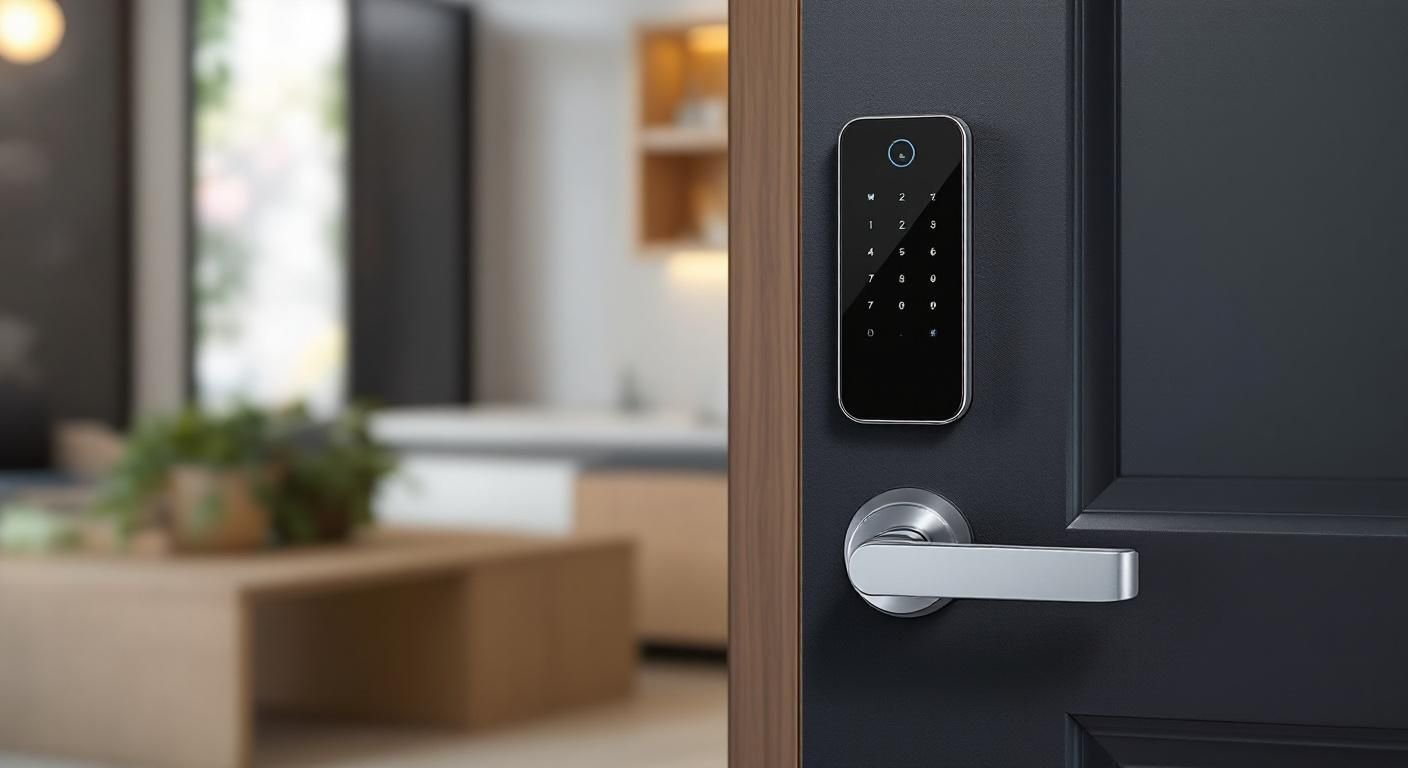
Smart locks that integrate with Google Home offer a seamless way to manage home security and convenience through voice commands and automation. These locks typically connect via Wi-Fi or Bluetooth, enabling users to lock or unlock doors remotely. This integration allows for advanced features such as monitoring access logs, granting temporary access, and syncing with other smart home devices. Understanding how to set up and manage these locks effectively is crucial for maximizing their potential in your smart home ecosystem.
Setting Up Your Smart Lock
To set up a smart lock with Google Home, begin by following the manufacturer’s installation instructions. Ensure your lock is compatible with Google Home. After installation, download the associated app to connect it to your Wi-Fi network. Finally, navigate to the Google Home app and link your smart lock, allowing for voice commands and automation integration.
Voice Control Features
Once your smart lock is integrated, you can use voice commands for various functions. For instance, you can say, ‘Hey Google, lock the front door,’ or ‘Is the back door locked?’ This functionality enhances convenience and security, especially when your hands are full or when you are away from home.
Key Points:
- Smart locks enhance convenience through integration with Google Home.
- Proper setup is essential for effective functionality and security.
💡 Ensure compatibility with Google Home before purchasing a smart lock.
💡 Create specific voice commands for easier management of different locks.
Security Considerations for Smart Locks
When choosing a smart lock for Google Home, security should be a top priority. Smart locks utilize encryption and secure connections to protect against unauthorized access. Evaluate the lock’s security features, such as two-factor authentication, to ensure robust protection. Additionally, stay updated with firmware updates to maintain security integrity, as manufacturers frequently release updates to patch potential vulnerabilities.
Evaluating Security Features
Look for smart locks that offer advanced security features like auto-lock, tamper alerts, and remote monitoring. These features not only provide peace of mind but also help you manage access effectively. A lock that records access logs can inform you of who enters and exits your home, adding an extra layer of security.
Keeping Your Smart Lock Secure
To maintain the security of your smart lock, regularly change access codes and passwords. Additionally, ensure your home Wi-Fi network is secure by using a strong password and enabling encryption. Consider setting up a guest network for your smart devices to further isolate them from your primary network.
Key Points:
- Security features are critical when selecting a smart lock.
- Regular maintenance and updates enhance the overall security of your smart lock.
💡 Opt for locks that offer encryption and two-factor authentication.
💡 Regularly update your lock’s firmware to protect against vulnerabilities.
EXPERT TIPS Pro Advice
Consider a lock with a backup key option.
Having a backup key allows access in case of battery failure or connectivity issues, ensuring you’re never locked out.
Utilize temporary access codes for guests.
This feature allows you to grant limited access, enhancing security while providing convenience for visitors.
Monitor access logs regularly.
Regularly reviewing access logs can alert you to any suspicious activity, helping to identify potential security breaches early.
Integrate with security cameras for enhanced monitoring.
Pairing your smart lock with security cameras can provide visual confirmation of who is accessing your home, increasing your overall security.
Ensure your Wi-Fi network is secure.
A secure home network is essential to prevent unauthorized access to your smart lock and other connected devices.
Frequently Asked Questions
Conclusion
Choosing the best smart lock for Google Home involves evaluating features like compatibility, security, and user management. Smart locks offer convenient access control, multiple user options, and enhanced security. Understanding installation and battery life is essential for a seamless experience.
🎯 Key Takeaways:
- Look for compatibility with Google Home and voice control features.
- Smart locks enhance security and provide convenience.
- Multiple user access capabilities are essential for families.
- Battery life should be a top consideration during selection.
Expert Advice: Prioritize security and functionality when selecting a smart lock. Research various options, and consider how the lock integrates with your existing smart home devices to ensure a cohesive experience.
Explore smart lock options and evaluate their features to find the best fit for your home.
Leave a Reply