
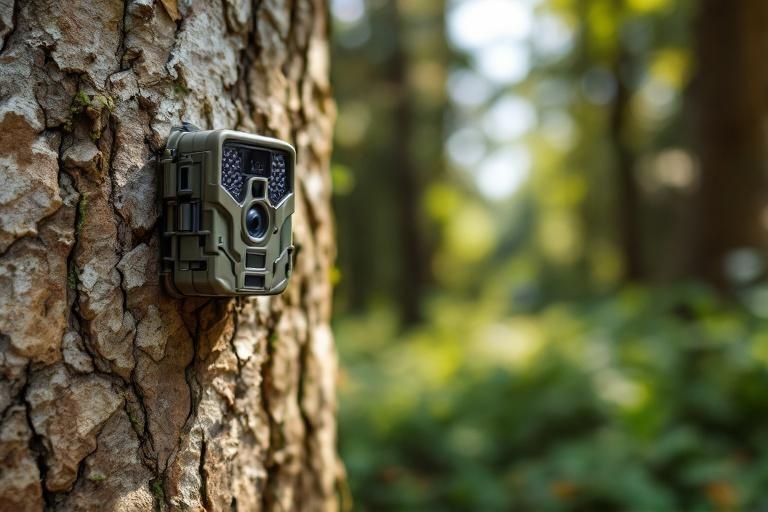
Have you ever wondered how to hide a trail cam for home security without compromising its effectiveness? With property crimes on the rise, securing your home has never been more crucial. Trail cameras serve as an excellent solution for monitoring suspicious activities, but their visibility can deter potential intruders. As an experienced security consultant, I will guide you through the essential strategies to effectively conceal your trail camera while ensuring it captures clear footage. In this article, you’ll learn practical tips for optimal placement, blending techniques, and common mistakes to avoid, empowering you to enhance your home security with confidence.
Understanding Trail Cameras for Home Security
Trail cameras are versatile tools often used for wildlife observation but can also serve as effective home security devices. These cameras are designed to monitor activity in specific areas, capturing images or videos when triggered by motion. When integrating a trail camera into your home security system, it’s crucial to understand its features, such as resolution, night vision, and detection range, which can impact its effectiveness. Additionally, placement and concealment are vital, as a well-hidden camera can deter intruders while providing valuable surveillance data.
Key Features of Trail Cameras
Trail cameras come equipped with various features that enhance their utility for security. High-resolution images ensure clarity, while night vision capabilities allow monitoring in low-light conditions. Detection range is another critical factor that determines how far away the camera can effectively capture movement. Understanding these features will help you choose the right camera for your needs.
Benefits of Using Trail Cameras for Security
Using trail cameras for home security offers multiple benefits. They provide a cost-effective solution compared to traditional security systems. Additionally, they can be deployed in remote areas where wired cameras are impractical. The ability to capture real-time footage allows homeowners to monitor activity and respond quickly to potential threats, enhancing overall security.
Key Points:
- Trail cameras can be effective for home security.
- Understanding key features enhances their utility.
Effective Concealment Strategies for Trail Cameras
Hiding a trail camera effectively is crucial for maximizing its potential as a security tool. Proper concealment not only prevents tampering or theft but also ensures that the camera captures candid footage of any activity. Various strategies can be employed to blend the camera with its surroundings, such as using natural elements or artificial covers. Knowing the right locations and techniques can significantly improve the effectiveness of your surveillance.
Choosing the Right Location
Selecting an optimal location for your trail camera is the first step in effective concealment. High-traffic areas, entry points, and blind spots are ideal for monitoring. Additionally, consider vantage points that allow for a clear view of the area while keeping the camera out of sight. This strategic placement can enhance both surveillance and concealment.
Blending with the Environment
To camouflage your trail camera, use natural elements such as foliage, tree branches, or rocks. Painting the camera in earth tones can also help it blend in with the surroundings. Avoid placing it in an obvious location, such as directly facing a path; instead, angle it slightly to capture movement while remaining hidden from view.
Key Points:
- Concealment prevents tampering and theft.
- Strategic placement enhances effective monitoring.
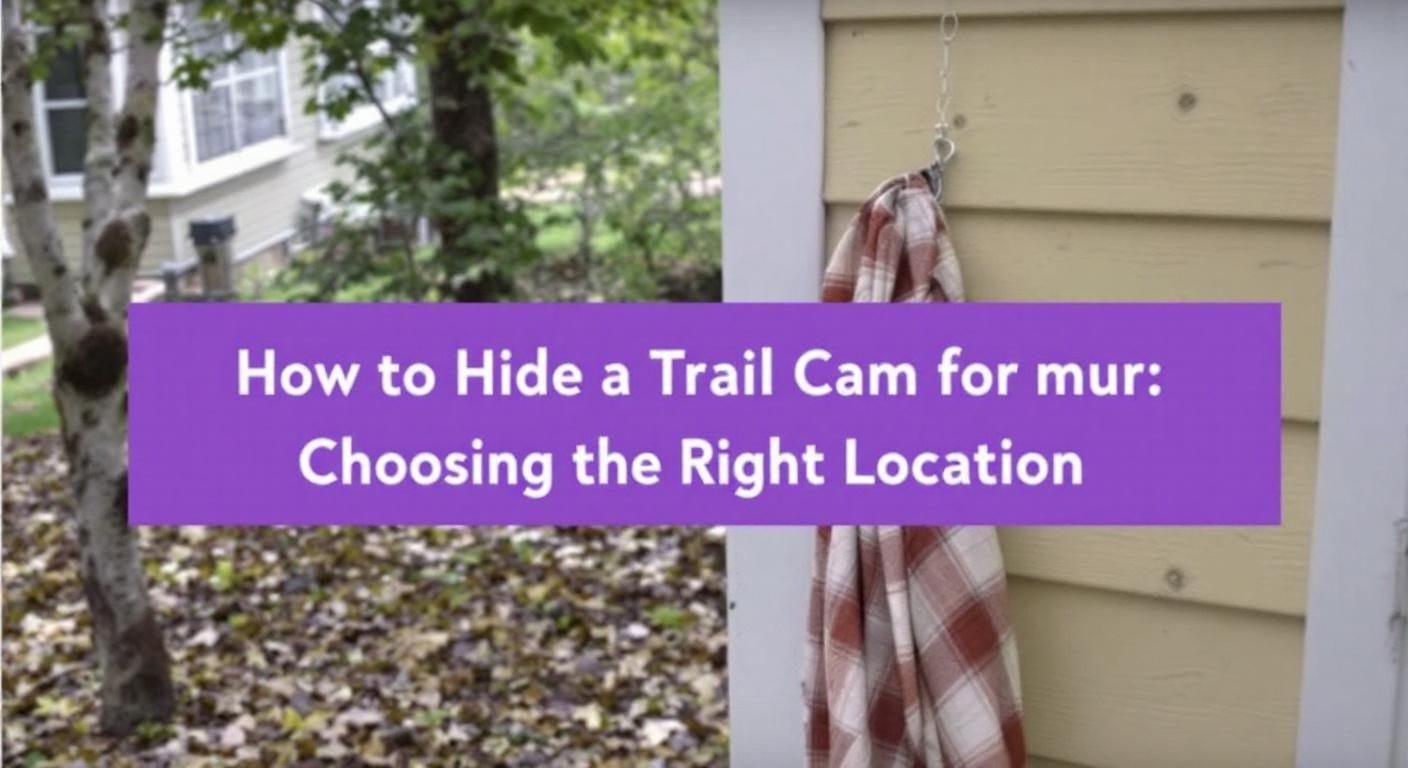
Selecting the Right Location for Your Trail Cam
Choosing the optimal location for your trail camera is crucial for effective home security monitoring. Aim for areas that provide a clear view of potential entry points, such as doors and windows, while remaining discreet. Consider areas with dense foliage or natural barriers that can obscure the camera from direct sight. Additionally, place the camera at a height of 4 to 6 feet, which is ideal for capturing facial recognition while minimizing visibility to intruders.
Utilizing Natural Cover
Incorporating natural elements is key to camouflaging your trail camera. Position it behind bushes, trees, or other vegetation to help it blend into the surroundings. This not only hides the camera from potential intruders but also reduces the risk of theft, as it becomes less noticeable in its environment.
Avoiding Common Visibility Areas
Steer clear of placing your camera in obvious spots, such as directly on the front porch or easily accessible fences. Instead, opt for concealed locations that provide a wide field of view without giving away the camera’s position. Look for blind spots where intruders might not expect surveillance.
Key Points:
- Selecting discreet locations enhances security.
- Utilizing natural cover helps camouflage the camera.
💡 Choose locations with abundant natural cover to blend your trail camera into the environment.
💡 Monitor for unusual activity in different areas before finalizing the camera’s placement.
Camouflaging Techniques for Enhanced Disguise
To further enhance the concealment of your trail camera, consider employing various camouflaging techniques. One effective method is to use spray paint in earthy tones to match the surrounding environment. Additionally, you can utilize mesh bags or camouflage wraps to further disguise the camera’s shape and color. Ensure that any camouflaging material does not obstruct the lens or sensors, as this could hinder performance.
Using Camouflage Patterns
Applying camouflage patterns to the camera casing can significantly reduce its visibility. Patterns that mimic natural textures—such as bark, leaves, or stone—are particularly effective. This technique not only prevents detection by intruders but also deters wildlife from triggering the camera unnecessarily.
Creating a Decoy Setup
Setting up a decoy can divert attention from your trail camera. Consider placing common garden items, such as decorative stones or bird feeders, nearby. This creates a more natural setting, making it less likely for someone to notice the hidden camera, as their attention is drawn to the decoy.
Key Points:
- Camouflaging enhances the effectiveness of surveillance.
- Decoys can divert attention from the camera’s actual location.
💡 Opt for non-reflective surfaces to avoid attracting attention.
💡 Regularly check the camera to ensure it remains unobstructed and functional.
EXPERT TIPS Pro Advice
Test different angles before finalizing the camera’s position.
Testing various angles ensures optimal coverage of entry points while maintaining concealment, allowing you to adjust for any blind spots.
Regularly maintain and check your trail camera.
Routine checks help ensure the camera is functioning correctly and remains hidden. This proactive approach helps identify any potential obstructions or changes in the environment.
Use external power sources for extended monitoring.
Extended battery life allows for longer surveillance periods without the need for frequent replacements, ensuring continuous home security monitoring.
Consider the angle of view when placing your camera.
A well-angled camera can capture more information and reduce the chances of missing critical events, enhancing its security effectiveness.
Research local wildlife behavior to avoid false triggers.
Understanding local wildlife patterns helps reduce the number of false alarms and increases the efficiency of your home security system.
Frequently Asked Questions
Conclusion
Hiding a trail cam for home security involves careful planning and strategic placement. Use natural camouflage and consider indoor options. Ensure your camera is powered for extended use, and incorporate motion sensors for added efficiency. Regular maintenance is key to effective surveillance.
🎯 Key Takeaways:
- Choose strategic locations near entry points.
- Use natural camouflage to blend in with surroundings.
- Consider indoor placement for monitoring specific areas.
- Incorporate motion sensors for efficiency.
- Regularly maintain and test the camera.
Expert Advice: Always prioritize discretion and ensure your trail cam is effectively camouflaged to enhance security without alerting potential intruders. Stay aware of local regulations regarding surveillance.
Take the next step by assessing your property for ideal camera placements and start implementing these tips today.
Leave a Reply