
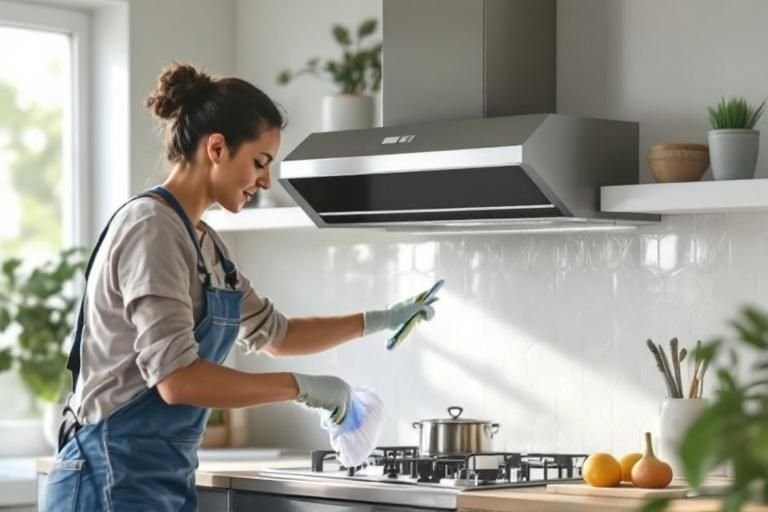
Are you aware that neglecting to clean your kitchen exhaust duct can lead to dangerous grease buildup and potential fire hazards? Many homeowners underestimate the importance of maintaining this critical component of their kitchen, often overlooking it during regular cleaning routines. With over 15 years of experience in home maintenance strategies, I understand the essential steps involved in effectively cleaning your home kitchen exhaust duct. In this article, you will learn why regular duct cleaning is vital, the tools you’ll need, and a detailed step-by-step process to ensure your kitchen exhaust system operates safely and efficiently. Let’s dive in and make your kitchen a safer place!
Understanding Kitchen Exhaust Ducts
Kitchen exhaust ducts play a crucial role in maintaining air quality in the home by removing smoke, odors, and grease from cooking. These ducts transport air from the kitchen to the outside, preventing the buildup of harmful pollutants. Regular cleaning is essential to ensure they function effectively and reduce fire hazards. Accumulated grease can ignite and cause serious damage, making it vital to establish a cleaning routine. Homeowners should familiarize themselves with the different types of exhaust systems, which can vary in design and complexity, affecting how frequently they need to be cleaned.
Types of Kitchen Exhaust Ducts
Kitchen exhaust ducts can be classified into two main types: ducted and ductless systems. Ducted systems vent air outside, requiring regular cleaning to prevent grease buildup inside the ductwork. Ductless systems filter and recirculate air back into the kitchen, needing filter replacements rather than duct cleaning but still requiring maintenance to ensure optimal performance.
Importance of Regular Cleaning
Regular cleaning of kitchen exhaust ducts is essential for preventing fire hazards and maintaining good indoor air quality. Grease buildup can lead to smoke and unpleasant odors, affecting the comfort of your home. Cleaning should be done at least once every three to six months, depending on cooking frequency and the types of food prepared.
Key Points:
- Understand the type of exhaust system you have
- Establish a regular cleaning schedule
Tools and Safety Precautions
Cleaning your kitchen exhaust duct requires specific tools and safety measures to ensure efficiency and prevent accidents. Essential tools include a screwdriver, brush, vacuum, and degreaser. It’s important to wear protective gear like gloves and goggles to safeguard against grease and debris. Additionally, ensure the power to the exhaust fan is turned off before starting the cleaning process to avoid any electrical hazards. Familiarizing yourself with these tools and safety precautions can make the cleaning process more effective and reduce risk.
Essential Tools for Cleaning
To clean kitchen exhaust ducts effectively, gather necessary tools such as a screwdriver for disassembly, a long brush to reach deep into the duct, and a vacuum to remove loose debris. A degreaser is also important for breaking down tough grease. Having these tools ready will streamline your cleaning process and improve results.
Safety First: Precautions to Take
Safety should be a top priority when cleaning kitchen exhaust ducts. Always wear gloves and goggles to protect yourself from grease splashes and sharp edges. Before starting, switch off the power to the exhaust system to prevent accidents. Ensuring a clean and safe working environment reduces the risk of injury and allows for a more thorough cleaning.
Key Points:
- Gather all necessary tools before starting
- Prioritize safety to prevent accidents
Understanding the Importance of Cleaning Kitchen Exhaust Ducts
Cleaning your home kitchen exhaust duct is essential for maintaining a safe and efficient cooking environment. Grease and other cooking residues accumulate over time, creating fire hazards and reducing airflow. Regular cleaning not only improves air quality but also enhances the performance of your exhaust system, prolonging its lifespan. Neglecting this maintenance can lead to costly repairs and even health risks due to poor air circulation. Aim to clean your ducts at least once a year, or more frequently if you cook often.
Identifying Signs of a Dirty Exhaust Duct
Recognizing the signs of a dirty kitchen exhaust duct is crucial. Common indicators include decreased airflow, strange odors, and visible grease buildup on the duct and hood. If you notice that smoke or steam lingers longer than usual after cooking, it’s a clear sign that your exhaust system requires attention. Regular checks can prevent more significant issues down the line.
Health Risks Associated with Poor Air Quality
Inadequate kitchen ventilation can lead to various health issues, including respiratory problems and allergies. Accumulated grease can harbor bacteria and mold, exacerbating these risks. Ensuring your exhaust ducts are clean helps maintain good indoor air quality, which is especially important for individuals with pre-existing health conditions.
Key Points:
- Regular cleaning prevents fire hazards and enhances air quality.
- Health risks can arise from poor ventilation and dirty ducts.
💡 Inspect your exhaust ducts monthly to catch early signs of grease buildup.
💡 Use a flashlight during inspections to spot hidden grease in dark areas.
Step-by-Step Guide to Cleaning Your Kitchen Exhaust Duct
Cleaning your kitchen exhaust duct requires a systematic approach to ensure thoroughness and safety. Start by gathering the necessary tools, including a vacuum, brushes, and degreasers. First, disconnect the power supply to the exhaust system to ensure safety during cleaning. Then, remove the duct cover and filter for easier access. Use a vacuum to remove loose debris and follow up with a degreaser for stubborn grease. Rinse and dry all components before reassembling and reconnecting the power supply. Regular cleaning not only improves efficiency but also enhances the overall cooking experience.
Gathering Necessary Tools and Safety Gear
Before starting your cleaning process, gather essential tools such as a vacuum cleaner, soft brushes, and non-toxic degreasers. Additionally, wearing gloves and safety goggles is recommended to protect yourself from grease and debris. Having everything ready will streamline the cleaning process, making it safer and more efficient.
Detailed Cleaning Procedure
Begin your cleaning by turning off the power to the exhaust system. Remove any filters and covers, then vacuum out loose debris. Apply a degreaser to surfaces and scrub with brushes to dislodge stubborn grease. Rinse components with water and allow them to dry completely before reassembling. Ensure that all connections are secure once you finish cleaning to maintain optimal function.
Key Points:
- A systematic cleaning approach ensures thoroughness and safety.
- Routine maintenance can significantly improve exhaust efficiency.
💡 Always turn off the power before cleaning to ensure safety.
💡 Use a mixture of vinegar and baking soda as a natural degreaser alternative.
EXPERT TIPS Pro Advice
Create a cleaning schedule based on cooking frequency.
Regular maintenance tailored to your cooking habits will prevent excessive grease buildup, making the cleaning process easier and more effective.
Consider professional cleaning services annually.
Hiring professionals once a year can ensure that hard-to-reach areas are thoroughly cleaned, significantly reducing the risk of fire hazards.
Use a smoke and odor detector in the kitchen.
Installing these devices can alert you to ventilation issues early, prompting timely cleaning of exhaust ducts.
Frequently Asked Questions
Conclusion
Cleaning your home kitchen exhaust duct is essential for safety and efficiency. Regular cleaning helps prevent fire hazards and improves air quality. Whether you choose to do it yourself or hire a professional, maintaining your duct will enhance your cooking experience and protect your home.
🎯 Key Takeaways:
- Clean your kitchen exhaust duct at least once a year.
- Look for signs like reduced airflow or odors to know when to clean.
- You can clean it yourself with the right tools and precautions.
- Hiring a professional is an option for heavily soiled ducts.
- Regular cleaning prevents fire hazards and improves air quality.
Expert Advice: Prioritize the maintenance of your kitchen exhaust duct to ensure a safe and pleasant cooking environment. Regular inspections and cleanings can save you from larger issues in the future.
Start planning your duct cleaning today to enhance your kitchen’s safety and efficiency.
Leave a Reply