
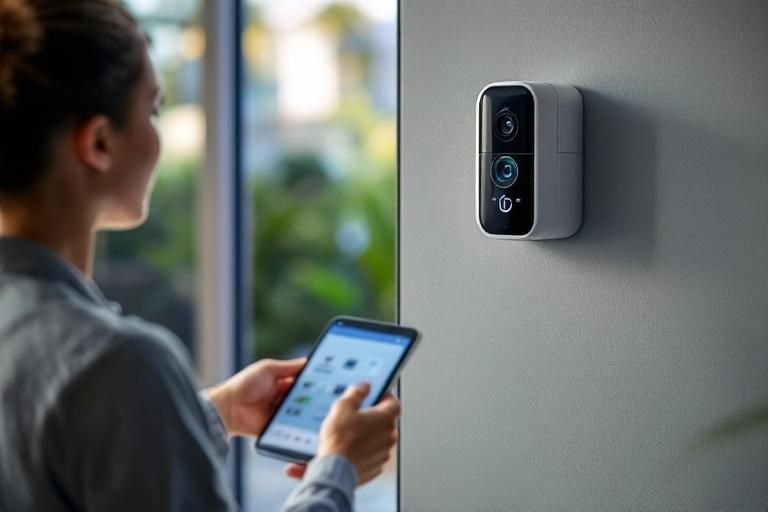
Over 100,000 individuals in the U.S. are currently monitored through home electronic systems, highlighting a growing trend in criminal justice and personal safety. Home electronic monitoring (HEM) is more than just a surveillance tool; it encompasses a range of technologies that track and report an individual’s location and behavior from the comfort of their home. With over 15 years of experience in the security sector, I’ve witnessed firsthand how HEM systems have evolved and what they bring to the table. This article will delve into the mechanics of home electronic monitoring systems, explore the various types of devices available, and outline their benefits, challenges, and legal implications. Additionally, we’ll look at future trends shaping this industry and answer frequently asked questions to provide a comprehensive understanding of how home electronic monitoring works.
Introduction to Home Electronic Monitoring
Home electronic monitoring has seen a significant rise in adoption, with the global market projected to reach $4.2 billion by 2026, reflecting its increasing relevance in our digital age. These electronic monitoring systems serve a critical purpose: to enhance security and ensure compliance, particularly in contexts ranging from law enforcement to home safety. Families and individuals utilize these systems to maintain peace of mind, knowing that they can monitor their premises and loved ones in real-time. The technology encompasses a variety of devices, including GPS trackers, smart cameras, and alarm systems, which collectively create a comprehensive safety net.
The integration of home electronic monitoring into everyday life not only provides security but also fosters accountability. For instance, in criminal justice, offenders may be placed under house arrest with electronic monitoring devices that track their movements, thereby reducing overcrowding in prisons and promoting rehabilitation. This approach has proven effective, with studies indicating that electronic monitoring can lower recidivism rates by as much as 30%. Furthermore, as smart home technology advances, systems are becoming increasingly user-friendly and interconnected, allowing homeowners to control multiple devices through a single app, enhancing both convenience and security.
However, the rise of home electronic monitoring is not without its complexities. As more households adopt these systems, concerns regarding privacy and data protection emerge. The potential for misuse of collected data necessitates a careful examination of ethical and legal implications. Overall, home electronic monitoring represents a critical intersection of technology and security, with its evolving features promising to reshape how we think about safety and surveillance in our homes. The growing reliance on these systems underscores their importance in contemporary society, making it essential for users to understand how home electronic monitoring works and its broader implications.
Key Points:
- The global home electronic monitoring market is projected to reach $4.2 billion by 2026.
- Electronic monitoring enhances security and accountability in various contexts.
💡 Ensure to stay updated on the latest technology trends in home electronic monitoring for optimal security.
How Home Electronic Monitoring Systems Operate
Select a System
Choose a home electronic monitoring system based on your specific needs. Options include systems from brands like Ring, Arlo, or SimpliSafe. The selection process ensures compatibility with your home environment and personal preferences, avoiding mismatched features that could lead to ineffective monitoring.
Install the Devices
Follow the manufacturer’s guidelines to properly install the monitoring devices. This typically involves mounting cameras or sensors at strategic points, such as entryways and driveways. Ensure devices are positioned to maximize coverage; poorly placed devices may leave blind spots and compromise security.
Connect to Wi-Fi
Link the monitoring system to your home Wi-Fi network. This connection allows for real-time electronic tracking and remote access via mobile apps. A strong Wi-Fi signal is crucial; weak connections can lead to delays in alerts or loss of functionality. Consider using a Wi-Fi extender in larger homes.
Configure Settings
Adjust the monitoring system settings to tailor alerts and notifications to your preferences. This might include setting motion sensitivity levels, defining alert zones, and scheduling monitoring times. Proper configuration enhances the monitoring process, reducing false alarms and ensuring important events are captured effectively.
Test the System
Conduct a thorough test of the entire system to ensure it operates as intended. Walk through monitored areas to trigger sensors and check that alerts are received promptly on your smartphone. Regular testing helps identify any issues early, preventing potential lapses in security.
Maintain the System
Schedule routine maintenance checks to ensure all devices are functioning correctly. This includes cleaning cameras, updating software, and replacing batteries when necessary. Neglecting maintenance can lead to system failures that diminish the effectiveness of electronic monitoring.
Key Points:
- Home electronic monitoring systems enhance security through real-time alerts
- Proper installation and configuration are vital for effective monitoring
💡 Regularly update the system’s firmware to ensure optimal functionality and security.
Types of Home Electronic Monitoring Devices
| Device Type | Key Features | Common Uses |
|---|---|---|
| GPS Tracking Device | Real-time location tracking, geofencing alerts | Child safety, elderly monitoring, asset tracking |
| Ankle Monitor | Continuous location tracking, tamper alerts | Criminal monitoring, parole compliance |
| Smart Home Security Camera | Video surveillance, motion detection, night vision | Home security, monitoring pets, package delivery |
| Wearable Health Monitor | Heart rate tracking, activity monitoring, emergency alerts | Elderly care, medical condition management |
| Home Alarm System | Intrusion detection, alerts to mobile devices, remote access | Home security, theft prevention, fire detection |
Key Points:
- Understanding device types aids in selecting the right monitoring solution.
- Each device serves distinct purposes based on user needs.
💡 Assess specific monitoring needs before selecting a device for optimal effectiveness.
Benefits of Home Electronic Monitoring
Pros
- Enhanced Safety: Home electronic monitoring systems, such as Ring and Nest cameras, provide real-time video feeds and alerts, significantly reducing the risk of burglary or vandalism by up to 300% in monitored homes.
- Cost-Effectiveness: Implementing a home monitoring system can lead to lower homeowner’s insurance premiums, with some insurers offering discounts of 5-20% for homes equipped with security devices.
- Remote Access: Systems like Arlo and SimpliSafe allow homeowners to monitor their properties from anywhere using mobile apps, providing peace of mind when traveling or at work.
Cons
- Privacy Concerns: The presence of cameras may lead to feelings of being watched, creating discomfort among family members and guests, particularly in private areas of the home.
- Initial Investment Costs: High-quality systems can require an upfront investment ranging from $200 to $1,500, depending on the complexity and number of devices needed.
- Technical Challenges: Users may face difficulties with installation and connectivity issues, particularly with Wi-Fi dependent systems, leading to potential gaps in monitoring during critical times.
Key Points:
- Home monitoring systems can enhance safety significantly.
- Cost savings on insurance premiums can offset initial investments.
💡 Choose a system that fits your specific monitoring needs and budget.
Challenges and Limitations of Home Electronic Monitoring
Pros
- Improved Compliance: Home electronic monitoring can significantly enhance adherence to legal restrictions, with studies showing up to a 25% reduction in recidivism rates compared to traditional methods.
- Cost-Effectiveness: The average cost of electronic monitoring is around $10 to $15 per day, much less than the $100 to $150 daily cost of incarceration, making it a financially viable alternative.
- Real-Time Data Collection: Systems provide constant monitoring, allowing for immediate data analysis, which can lead to quicker interventions in case of violations or emergencies.
Cons
- Privacy Concerns: Continuous monitoring raises significant privacy issues, with devices capable of tracking movements and behaviors, leading to potential misuse of personal data.
- Dependence on Technology: Home electronic monitoring relies heavily on technology, which can fail; for instance, a power outage or device malfunction can disrupt monitoring and lead to legal consequences.
- Social Stigmatization: Individuals under monitoring may face social stigma, impacting their ability to reintegrate into society. Reports indicate that 40% of monitored individuals experience heightened isolation from peers.
Key Points:
- Home electronic monitoring can enhance compliance and reduce costs
- Privacy and social acceptance are significant concerns
💡 Ensure clear communication about privacy policies with monitored individuals to mitigate concerns.
Legal and Ethical Considerations
Home electronic monitoring systems, which include devices like surveillance cameras and smart home sensors, often operate in a gray area concerning legal issues and ethical concerns. Legally, the implementation of these systems must comply with federal and state regulations, such as the Electronic Communications Privacy Act (ECPA) in the United States, which governs the interception of electronic communications. Violating these laws can lead to severe penalties, including fines and civil litigation. Additionally, organizations must be aware of local monitoring regulations that specify when and how residents can be recorded, which varies significantly across jurisdictions.
Ethically, the use of monitoring systems raises questions about privacy and consent. For instance, homeowners should consider whether all household members are aware of and agree to the monitoring practices in place. Failure to obtain consent can lead to breaches of trust and potential legal ramifications if individuals feel their privacy has been invaded. The debate is particularly pronounced in shared living situations, such as apartments or homes with multiple tenants, where one party’s monitoring can infringe on the privacy rights of others.
Furthermore, the data collected by these monitoring systems often contains sensitive information, leading to ethical dilemmas regarding data storage and sharing. Many users are unaware of how long their data is retained and who has access to it. For example, companies like Ring and Nest have faced scrutiny over their data-sharing policies and practices. Ensuring transparency and providing users with clear information about their data rights is essential in addressing these ethical concerns. Ultimately, navigating the legal and ethical landscape of home electronic monitoring requires a careful balance between security needs and respect for individual privacy rights.
Key Points:
- Compliance with federal and state regulations is crucial for legal operation.
- Ethical considerations hinge on privacy, consent, and data handling.
💡 Always ensure all household members are informed and consent to monitoring practices.
Future Trends in Home Electronic Monitoring
By 2025, the global home automation market is projected to reach $80 billion, driven by advancements in monitoring technology that enhance security and convenience. One notable trend is the integration of artificial intelligence (AI) into home monitoring systems, which allows for predictive analytics and real-time threat detection. For instance, smart cameras equipped with AI can differentiate between a family member and an intruder, significantly reducing false alarms and improving response times. Additionally, the rise of the Internet of Things (IoT) is set to revolutionize how devices communicate, enabling seamless interaction between security systems, smart appliances, and even home health monitoring devices.
Another innovation on the horizon is the adoption of biometric sensors, which provide a higher level of identification and security. Devices that utilize facial recognition or fingerprint scanning can ensure that only authorized individuals gain access to sensitive areas of the home. Furthermore, advancements in battery technology are leading to longer-lasting and more efficient devices, which will enhance the reliability of home monitoring systems. For example, solar-powered security cameras are becoming increasingly viable, offering sustainability alongside functionality.
As data privacy becomes more critical, future monitoring technologies are likely to incorporate enhanced encryption methods and user-controlled data management. This not only addresses privacy concerns but also builds user trust in these systems. Ultimately, the convergence of these trends will lead to smarter, more efficient, and user-friendly home electronic monitoring solutions, making homes safer and more responsive to the needs of their inhabitants.
Key Points:
- The global home automation market is projected to reach $80 billion by 2025.
- AI integration will enhance real-time threat detection and reduce false alarms.
💡 Stay informed about emerging technologies like AI and IoT to understand how they can improve home monitoring.
Frequently Asked Questions about Home Electronic Monitoring
- What is home electronic monitoring?
- Home electronic monitoring refers to a system that uses technology to supervise individuals in their homes, often for legal, safety, or health reasons. These systems can include GPS tracking, video surveillance, and motion detectors.
- How does home electronic monitoring work?
- Home electronic monitoring systems operate by utilizing devices that track location, monitor activities, or record audio and video. For example, GPS ankle bracelets transmit location data to a central server, while smart cameras send live feeds to a homeowner’s smartphone.
- What are common types of home electronic monitoring devices?
- Common devices include GPS ankle monitors, security cameras like the Ring Video Doorbell, and smart home systems such as Amazon Echo with surveillance capabilities. Each device serves specific monitoring purposes, from tracking movements to enhancing home security.
- Are there privacy concerns with home electronic monitoring?
- Yes, privacy concerns are significant in home electronic monitoring. Individuals monitored may feel their personal space is invaded, leading to potential legal ramifications. It’s crucial to ensure devices are used ethically and comply with local laws.
Key Points:
- Home electronic monitoring is used for legal and safety supervision.
- Privacy concerns are a critical issue in monitoring systems.
💡 Ensure compliance with local laws regarding privacy and monitoring.
Frequently Asked Questions
Conclusion
Home electronic monitoring is an evolving tool designed to enhance public safety while allowing individuals to maintain some level of freedom. With various devices and systems available, it provides a balance between oversight and privacy. However, ethical considerations and legal frameworks are crucial for its successful implementation.
🎯 Key Takeaways:
- Home electronic monitoring serves as an alternative to incarceration.
- Accuracy can vary based on device type and environment.
- Privacy laws impact the operation of monitoring systems.
- Invasiveness of monitoring raises ethical concerns.
- Alternatives exist but may not suit all situations.
Expert Advice: Stay informed about the legal and ethical implications of home electronic monitoring. Understanding these factors can empower you to navigate the complexities of this system effectively.
Explore further resources or engage in community discussions about home electronic monitoring to enhance your understanding.
Leave a Reply