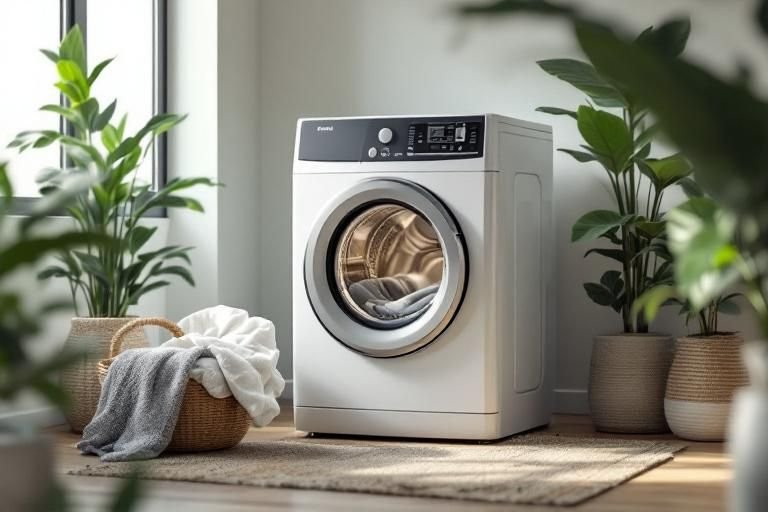
Investing in the best dry cleaning machine for home can save you up to 40% on laundry costs compared to traditional services. With advancements in technology, these machines have become more efficient, making them an appealing option for busy households. This guide will explore critical features to consider, compare top models on the market, and provide a step-by-step guide to ensure you maximize your machine’s capabilities. Additionally, we’ll weigh the pros and cons of owning a home dry cleaning machine and share essential maintenance tips to prolong its life. By the end of this article, you’ll be equipped with the knowledge to make an informed decision and maintain your investment effectively.
Introduction to Home Dry Cleaning Machines
Home dry cleaning machines offer a convenient alternative to traditional dry cleaning services, allowing users to clean their garments at home with minimal effort. These machines utilize a combination of steam and specialized cleaning solutions to safely remove stains and odors, making them a popular choice for busy households. According to recent consumer reports, the best dry cleaning machine for home use can remove up to 90% of stains, significantly reducing the need for professional services.
With the average cost of traditional dry cleaning services hovering around $3 to $5 per item, investing in a home dry cleaning machine can lead to substantial savings over time. Many models, such as the LG Styler and the Whirlpool Dry Cleaning System, are designed to handle a variety of fabrics and garment types, ensuring a comprehensive clean without damaging delicate materials. This versatility, coupled with the ability to clean clothes on demand, means that users can maintain their wardrobes more effectively.
Beyond cost savings, home dry cleaning machines offer significant time efficiency. Typical dry cleaning visits involve waiting in line, drop-off times, and pick-up schedules that can disrupt daily routines. With a home dry cleaning machine, users can complete the cleaning process in the comfort of their homes, often in under an hour.
In addition to convenience and cost-effectiveness, these machines promote better garment care. Many models feature gentle cleaning cycles that help preserve the integrity of fabrics, extending the life of clothing. As consumers increasingly prioritize sustainability, home dry cleaning provides a greener option by reducing the use of harsh chemicals commonly found in traditional dry cleaning. Overall, the emergence of home dry cleaning machines represents a transformative shift in garment care, merging efficiency with quality results.
Top Features to Look for in a Home Dry Cleaning Machine
When selecting the best dry cleaning machine for home use, capacity stands out as a crucial factor. Machines typically range from 3 to 10 pounds of load capacity, which directly impacts the number of garments you can clean in a single cycle. For families or individuals with extensive wardrobes, opting for a machine with a higher capacity ensures that you can handle multiple items simultaneously, saving time and effort. Alongside capacity, ease of use is paramount; many modern models feature intuitive controls or touch screens that simplify the selection of cleaning cycles and settings. Look for machines that come equipped with pre-programmed options designed for different fabric types, as this minimizes the chances of damaging delicate items.
Cleaning technology is another essential feature to consider, as it affects the effectiveness of the cleaning process. Advanced home dry cleaning machines utilize solvent-free cleaning solutions or steam-based technologies, which are not only gentler on fabrics but also more environmentally friendly. For example, brands like LG and Whirlpool offer machines that employ steam cleaning technology to remove stains while sanitizing fabrics simultaneously. This is particularly important for maintaining the integrity of garments over time.
Furthermore, consider maintenance features that can enhance your user experience. Machines equipped with self-cleaning capabilities or easy-to-remove filters simplify upkeep, ensuring optimal performance without the need for excessive manual cleaning. Additionally, noise levels during operation can vary significantly between models. A quieter machine can make a considerable difference in maintaining a peaceful home environment, especially in smaller living spaces. Ultimately, focusing on these essential features of dry cleaning machines will help consumers make informed decisions, ensuring they choose a model that not only meets their cleaning needs but also integrates seamlessly into their lifestyle.
Comparison of the Best Dry Cleaning Machines for Home Use
| Model | Key Features | Capacity | Price |
|---|---|---|---|
| LG Styler (S3BF) | Steam cleaning, SmartThinQ app, TrueSteam technology | 3 garments | $1,299 |
| Whirlpool (WMC20005Y) | Compact design, 6 drying cycles, Portable | 5 garments | $299 |
| PureClean (PCA10) | Eco-friendly, Dry cleaning kit included, Easy operation | 5 garments | $349 |
| Garnet (GC-2710) | Advanced cleaning technology, 10 programs, LCD display | 7 garments | $499 |
| HomeDry (HD-100) | Quick drying, Compact size, User-friendly controls | 4 garments | $399 |
Step-by-Step Guide to Using a Home Dry Cleaning Machine
Home dry cleaning machines can clean garments effectively while being gentle on fabrics, making them a valuable tool for maintaining delicate clothing. Follow these steps to ensure a successful dry cleaning process at home.
**Sort Your Clothes**
Group garments by fabric type and color. This step prevents color bleeding and fabric damage, ensuring optimal cleaning results. For instance, wash silk and wool separately from cotton items to maintain their integrity.
**Prepare the Machine**
Load the machine according to the manufacturer’s guidelines, usually not exceeding two-thirds of its capacity. Overloading can lead to ineffective cleaning and potential machine damage. For example, if your machine has a capacity of 15 pounds, aim to clean around 10 pounds of clothing for the best results.
**Add Cleaning Solution**
Measure and pour the recommended amount of dry cleaning solvent, such as Dryel or Woolite, into the designated compartment. Using the correct amount is crucial; too little will not clean effectively, while too much can leave residues on clothing. Always refer to the machine’s manual for specific quantities.
**Select the Cycle**
Choose the appropriate cleaning cycle based on your fabric types. Most machines offer options like ‘delicate,’ ‘normal,’ or ‘heavy-duty.’ Selecting the right cycle ensures that your garments receive the right care. For example, delicate fabrics like lace or chiffon require shorter cycles to avoid damage.
**Start the Machine**
Press the start button and monitor the machine during the cleaning cycle. Most models will automatically stop when the cycle is complete, but it’s essential to check periodically to ensure everything is functioning correctly. An unexpected stop might indicate an issue that needs immediate attention.
**Finish and Air Out**
Once the cycle is complete, remove the garments and hang them to air out. This step helps eliminate any residual solvent smell. Avoid placing cleaned clothes in a confined space immediately; instead, let them breathe for at least 30 minutes before storing them.
Following these steps will help you effectively use a home dry cleaning machine, ensuring your clothes remain clean and well-maintained.
Pros and Cons of Home Dry Cleaning Machines
✓ Pros
- Cost-effective: Home dry cleaning machines typically pay for themselves after about 15 to 20 uses, substantially reducing long-term cleaning expenses compared to traditional services.
- Convenience: Users can operate these machines at their convenience, eliminating the need to plan around dry cleaner hours or travel to and from the store.
- Gentle on fabrics: Many home dry cleaning machines use a softer cleaning method that can be less harsh than commercial machines, helping to preserve the integrity and color of delicate fabrics.
✗ Cons
- venience: Users can operate these machines at their convenience, eliminating the need to plan around dry cleaner hours or travel to and from the store.
- Gentle on fabrics: Many home dry cleaning machines use a softer cleaning method that can be less harsh than commercial machines, helping to preserve the integrity and color of delicate fabrics.
- Cons:
- Limited capacity: Most home dry cleaning machines can only handle a few garments at a time, making them less efficient for larger households or bulk cleaning needs.
- Learning curve: Users may encounter a learning curve with specific cleaning cycles and fabric types, which can lead to mistakes if not followed correctly.
- Quality of cleaning: While home machines can effectively remove light stains, they may struggle with tougher stains compared to professional dry cleaning methods that use stronger solvents and specialized techniques.
Maintenance Tips for Your Home Dry Cleaning Machine
Regular maintenance is crucial for ensuring the longevity and optimal performance of your home dry cleaning machine. One of the most effective practices is to clean the lint filter after every use, as a clogged filter can significantly reduce the machine’s efficiency and lead to potential malfunctions. Additionally, inspect and clean the solvent tank at least once a month to prevent residue build-up, which can compromise cleaning quality and affect the machine’s functionality. It’s advisable to use manufacturer-recommended cleaning solutions to maintain the integrity of the machine and avoid any damage caused by harsh chemicals.
Another key aspect of dry cleaning machine care involves checking the seals and gaskets regularly. Damaged seals can lead to solvent leaks, impacting both performance and safety. A simple visual inspection can identify wear and tear, allowing you to replace them before they cause more significant issues. Furthermore, ensure that the machine is level during use, as an unbalanced machine can lead to excessive wear on internal components and noise during operation.
Lastly, consult the user manual for specific maintenance schedules and guidelines tailored to your machine model. Following these steps not only enhances the performance of your dry cleaning machine but also extends its lifespan, ensuring you get the best value from your investment in the best dry cleaning machine for home use. By committing to consistent upkeep, you will enjoy efficient cleaning and avoid costly repairs down the line.
Frequently Asked Questions about Home Dry Cleaning Machines
- What is a home dry cleaning machine?
- A home dry cleaning machine is a compact appliance designed to clean clothes using a solvent instead of water, mimicking the dry cleaning process found in professional settings.
- How effective are home dry cleaning machines compared to traditional dry cleaning?
- Home dry cleaning machines can effectively remove light stains and odors, but they may not achieve the same level of deep cleaning as professional services, especially for heavily soiled items.
- What is the best dry cleaning machine for home use?
- The best dry cleaning machine for home use varies by need, but popular options include the LG Styler and the Whirlpool 7.2 cu. ft. model, both of which offer advanced cleaning technologies and user-friendly features.
- Are home dry cleaning machines safe for all fabrics?
- Most home dry cleaning machines are safe for a variety of fabrics; however, delicate materials like silk or lace may require special attention or should be cleaned by a professional.
- How often should I use my home dry cleaning machine?
- Usage frequency depends on personal needs, but many users find that a monthly clean is sufficient for maintaining garments, while more frequent use may be necessary for high-wear items.
Conclusion
Selecting the best dry cleaning machine for home use can transform your garment care routine. By understanding the essential features and weighing the pros and cons, you can make an informed decision. Regular maintenance ensures longevity, and following the usage guide maximizes effectiveness, ultimately saving time and money.
🎯 Key Takeaways:
- Choose a machine with essential features like size, ease of use, and cleaning technology.
- Consider both the pros and cons to determine if a home dry cleaning machine suits your lifestyle.
- Regular maintenance is crucial for optimal performance and longevity.
- Follow the step-by-step guide for effective results in home dry cleaning.
Expert Advice: Prioritize your specific needs and research thoroughly to find a machine that best fits your lifestyle and fabric care requirements.
Explore your options today to start enjoying the convenience of home dry cleaning.
Leave a Reply