
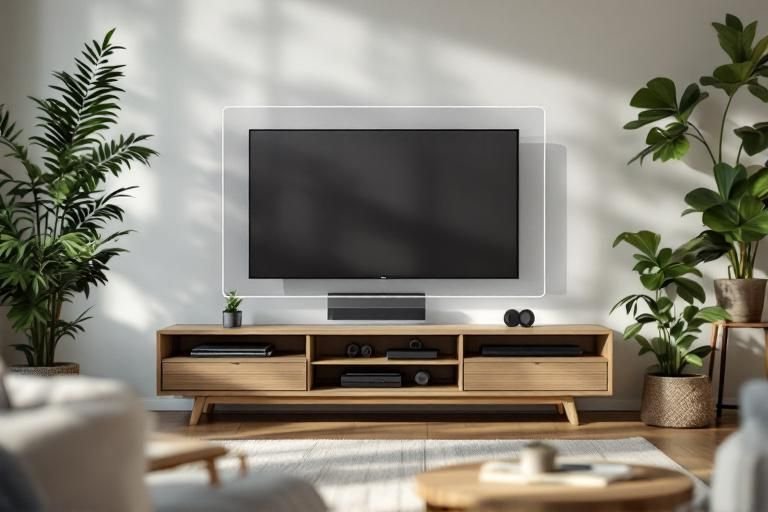
Approximately 30% of electronic device failures are caused by power surges, making effective home electronics protection essential. Understanding the various threats—from surges and spikes to environmental factors—can significantly enhance the longevity of your valuable devices. With 15 years in the field, I’ve seen firsthand how proper protection can prevent costly damage. This article will delve into the types of threats to your home electronics, explore the various protection solutions available, and guide you in choosing the right methods tailored to your needs. Additionally, we’ll discuss the pros and cons of different protection strategies and provide maintenance tips to ensure your devices remain safe and functional. Whether you’re a tech enthusiast or just looking to preserve your investments, this comprehensive guide will equip you with the knowledge needed for optimal home electronics protection.
Understanding Home Electronics Protection
Home electronics protection is crucial for safeguarding devices against unexpected power fluctuations and environmental threats. Studies show that power surges can occur in homes as frequently as several times a day, leading to potential damage or irreversible failure of sensitive equipment. Without proper protection, devices such as computers, televisions, and gaming consoles are at risk of being compromised, costing homeowners significant repair or replacement expenses. Implementing effective electronic device safety measures, including surge protectors and uninterruptible power supplies (UPS), can significantly mitigate these risks.
The importance of home electronics protection extends beyond mere surge protection; it is a comprehensive approach to maintaining the integrity of electronic devices. For instance, a surge protector can absorb excess voltage, preventing it from reaching connected devices, while a UPS ensures that power is maintained during outages, allowing for safe shutdowns of critical equipment. According to the Consumer Electronics Association, the average household possesses over $1,500 worth of electronic devices, emphasizing the need for robust protective measures to avoid financial loss due to unforeseen events.
Moreover, environmental factors such as humidity and dust can also contribute to the deterioration of electronic devices. Proper home electronics protection involves not only safeguarding against electrical issues but also creating suitable conditions for devices. For example, using dehumidifiers in damp areas can help preserve the lifespan of electronics by preventing moisture-related damage. The combination of surge protection, environmental control, and regular maintenance creates a holistic strategy for ensuring that home electronics remain functional and reliable over time. By investing in comprehensive protection solutions, homeowners can safeguard their valuable devices against a variety of threats, ensuring both longevity and performance.
Common Threats to Home Electronics
Power surges are one of the most significant threats to home electronics, capable of delivering voltage spikes that exceed the operational limits of devices. In fact, a surge can increase voltage by more than 1,000 volts, leading to immediate electronic damage or gradual wear over time. These surges can originate from various sources, including lightning strikes, faulty wiring, or even the cycling of large appliances like refrigerators and air conditioners. Homeowners often underestimate the potential for damage, believing their devices are safe simply because they are plugged in; however, without adequate protection, even the most robust equipment can suffer catastrophic failures.
Another critical threat comes from electrical faults, which may occur due to overloaded circuits, short circuits, or outdated wiring. According to the Electrical Safety Foundation International (ESFI), electrical failures account for nearly 51% of all home structure fires, underscoring the need for vigilance. When circuits are overloaded, the risk of overheating increases, potentially melting insulation and creating a fire hazard. Additionally, older homes with outdated electrical systems may not be equipped to handle modern demands, leaving devices vulnerable to fluctuations that can cause electronic damage.
Environmental factors also play a significant role in the longevity of home electronics. High humidity and dust accumulation can lead to corrosion of internal components, while extreme temperatures can affect performance and lifespan. For instance, a study by the National Institute of Standards and Technology (NIST) found that excessive heat can shorten the lifespan of electronic devices by as much as 50%. Homeowners often overlook these environmental influences, focusing solely on the internal protection of their devices while neglecting the conditions in which they operate.
Understanding these threats is essential for anyone looking to invest in home electronics protection. Each type of threat requires a tailored approach to mitigate risks effectively. By being aware of the various dangers that electronics face—from power surges to environmental factors—homeowners can take proactive measures to safeguard their investments and ensure the longevity of their devices.
Types of Home Electronics Protection Solutions
| Protection Solution | Key Features | Suitability |
|---|---|---|
| Surge Protectors | Diverts excess voltage; typically includes multiple outlets; LED indicators for status | Ideal for general electronics like TVs, computers, and gaming consoles |
| UPS Systems | Provides battery backup; offers surge protection; allows safe shutdown of devices | Best for critical electronics such as servers, routers, and medical devices |
| Whole House Surge Protectors | Installed at the electrical panel; protects all circuits; covers larger electrical surges | Suitable for entire home protection, particularly in areas prone to lightning |
| Power Conditioners | Regulates voltage; filters noise; improves overall power quality | Recommended for high-end audio/video systems and sensitive equipment |
| Smart Power Strips | Includes energy-saving features; remote control via apps; surge protection | Good for home automation setups and devices that can be scheduled |
How to Choose the Right Protection for Your Electronics
Assess Your Electronics
Identify all devices that require protection, including computers, televisions, and gaming consoles. This step ensures you understand the total investment at risk and helps determine the necessary protection level.
Analyze Usage Environment
Evaluate where your electronics are located. For example, if they are in a basement prone to flooding, consider solutions that include moisture resistance. Understanding the environment helps narrow down suitable protection options.
Determine Threat Levels
Research potential threats specific to your area, such as frequent thunderstorms or power outages. If you live in a region with a high risk of power surges, prioritizing surge protectors with a high joule rating (over 2,000 joules) is critical. This guarantees adequate protection against significant electrical spikes.
Compare Protection Solutions
Review different types of protection solutions, such as surge protectors, UPS (Uninterruptible Power Supplies), and power conditioners. For instance, a UPS can provide backup power during outages, while a power conditioner stabilizes voltage and filters noise. Make sure to check compatibility with your electronics, as not all solutions suit every device type.
Read User Reviews
Investigate customer feedback on products you are considering. Look for solutions that have consistently high ratings and positive testimonials about reliability and performance. This can help you avoid common pitfalls associated with subpar products.
Purchase According to Budget
Allocate your budget wisely, ensuring that you invest in high-quality protection solutions without overspending. Remember, protection is an investment in the longevity and functionality of your electronics. Avoid the mistake of choosing cheaper solutions that may not offer adequate protection, leading to future repairs or replacements.
Pros and Cons of Various Protection Methods
✓ Pros
- per protection methods can reduce the risk of damage to home electronics by up to 80%, according to a study by the National Electrical Manufacturers Association. However, each method has its own set of advantages and disadvantages that should be carefully considered.
- Pros:
- **Surge Protectors:** These devices can absorb excess voltage from power surges, protecting sensitive electronics from damage. High-quality models like the APC SurgeArrest can protect against spikes up to 4,500 joules, providing substantial safety for devices.
- **Uninterruptible Power Supplies (UPS):** A UPS, such as the CyberPower CP1500AVRLCD, not only protects against surges but also provides battery backup during power outages, ensuring that devices remain operational and safe. This is particularly effective for computers and home servers.
- **Whole-House Surge Protection:** Installing a whole-house surge protector can shield all appliances at once from external power surges, which is crucial for safeguarding larger investments like HVAC systems and home theaters. Many homeowners find this method provides peace of mind for overall home electronics safety.
✗ Cons
- that should be carefully considered.
- Pros:
- **Surge Protectors:** These devices can absorb excess voltage from power surges, protecting sensitive electronics from damage. High-quality models like the APC SurgeArrest can protect against spikes up to 4,500 joules, providing substantial safety for devices.
- **Uninterruptible Power Supplies (UPS):** A UPS, such as the CyberPower CP1500AVRLCD, not only protects against surges but also provides battery backup during power outages, ensuring that devices remain operational and safe. This is particularly effective for computers and home servers.
- **Whole-House Surge Protection:** Installing a whole-house surge protector can shield all appliances at once from external power surges, which is crucial for safeguarding larger investments like HVAC systems and home theaters. Many homeowners find this method provides peace of mind for overall home electronics safety.
- Cons:
- **Cost:** High-quality protection methods, especially whole-house systems, can be expensive, with installation costs ranging from $300 to $1,500. This investment can deter homeowners, particularly those on a tight budget.
- **Over-Reliance on Protection Devices:** Some users may neglect to follow basic electrical safety practices, relying solely on protection methods. This can lead to dangerous situations if the protection fails or is improperly maintained.
- **Limited Lifespan of Devices:** Surge protectors and UPS units have a finite lifespan and may need replacement every few years. Users often overlook this, leading to a false sense of security when the devices may no longer be effective at providing adequate protection.
Maintenance Tips for Protecting Electronics
- Regular Dusting Ensure that electronics are dust-free by using a microfiber cloth weekly. Dust buildup can cause overheating and hinder performance, especially in devices with ventilation grills.
- Optimal Placement Position devices away from direct sunlight and moisture. For instance, keeping your TV at least 12 inches from walls allows for proper ventilation, reducing the risk of heat damage.
- Surge Protector Use Invest in high-quality surge protectors with at least 2,000 Joules. This provides adequate protection against power surges, which can damage sensitive electronics like computers and televisions.
- Software Updates Regularly update software and firmware on devices. For example, keeping a smart TV’s software up-to-date can prevent vulnerabilities that may be exploited by malware.
Frequently Asked Questions about Home Electronics Protection
Conclusion
Protecting home electronics is essential to maintaining their longevity and functionality. By understanding common threats and the various protection solutions available, homeowners can make informed decisions. Regular maintenance and the right protective measures can minimize damage and save costs in the long run.
🎯 Key Takeaways:
- Invest in quality surge protectors to safeguard against power spikes.
- Regularly check and maintain electronic devices to enhance their lifespan.
- Consider uninterruptible power supplies (UPS) for critical electronics.
- Stay informed about the latest protection technologies and methods.
Expert Advice: Evaluate your home environment and electronics usage to tailor a protection strategy that suits your needs best. Don’t wait for a disaster to happen; proactive measures can save you time and money.
Take the first step today by assessing your current electronics protection and exploring new solutions.
Leave a Reply