

Have you ever wondered if you can reprogram the chip on your home electronics to enhance their functionality or performance? With the rapid advancement of technology, many homeowners are looking for ways to customize their devices to better suit their needs. Understanding the potential of chip reprogramming not only empowers you but can also save you money by extending the life of your electronics. In this article, we’ll explore the feasibility of reprogramming chips in various home devices, the methods available, and the risks involved. By the end, you’ll have a clear understanding of whether reprogramming is a viable option for your electronics.
Understanding Chip Reprogramming in Home Electronics
Reprogramming the chip in your home electronics involves modifying the firmware or software that controls the device’s operations. This process can enhance functionality, fix bugs, or even unlock new features. However, not all devices are open to such modifications, as some manufacturers implement strict security measures to prevent unauthorized access. Before attempting to reprogram, it’s crucial to understand the risks and benefits involved.
What is a Chip?
A chip, often referred to as a microcontroller or microprocessor, is the brain of electronic devices. It processes instructions and manages functions. Understanding the chip’s role in your device is the first step to determining if reprogramming is feasible.
Firmware vs. Software
Firmware is a specific type of software that provides control for the device’s hardware. Unlike regular software, firmware is closely tied to the hardware, making it essential for the device’s basic functions. Knowing the difference helps in understanding what can be reprogrammed.
Device Limitations
Not all devices allow for chip reprogramming due to proprietary software or security restrictions. Devices with locked firmware or those that require signed updates are particularly challenging. It’s essential to research your specific device’s capabilities before attempting to modify its chip.
Key Points:
- Reprogramming a chip can enhance functionality.
- Understanding firmware is crucial for effective reprogramming.
The Process of Reprogramming a Chip
Reprogramming a chip can be a complex process that requires technical knowledge and the right tools. Generally, the process involves extracting the existing firmware, making desired changes, and re-uploading the modified firmware to the device. Each step must be approached carefully to avoid damaging the device. Understanding this process can help you determine whether you are equipped to handle such tasks.
Extracting Firmware
The first step in reprogramming is to extract the existing firmware from the chip. This often involves using specialized tools and software to read the chip’s memory. Understanding the extraction process is crucial as it serves as a backup and a point of reference for any modifications.
Modifying Firmware
After extraction, modifications can be made to the firmware. This may involve editing code to add features, fix bugs, or change settings. It’s essential to know programming languages relevant to the firmware, as well as the potential impact of each change.
Re-uploading Modified Firmware
Once modifications are complete, the next step is to upload the new firmware back onto the chip. This process requires careful attention to ensure the chip is correctly programmed and the device is restored to a functioning state. A failed upload can render the device unusable.
Key Points:
- Extracting firmware is the first critical step.
- Modifications should be approached with caution to prevent device damage.
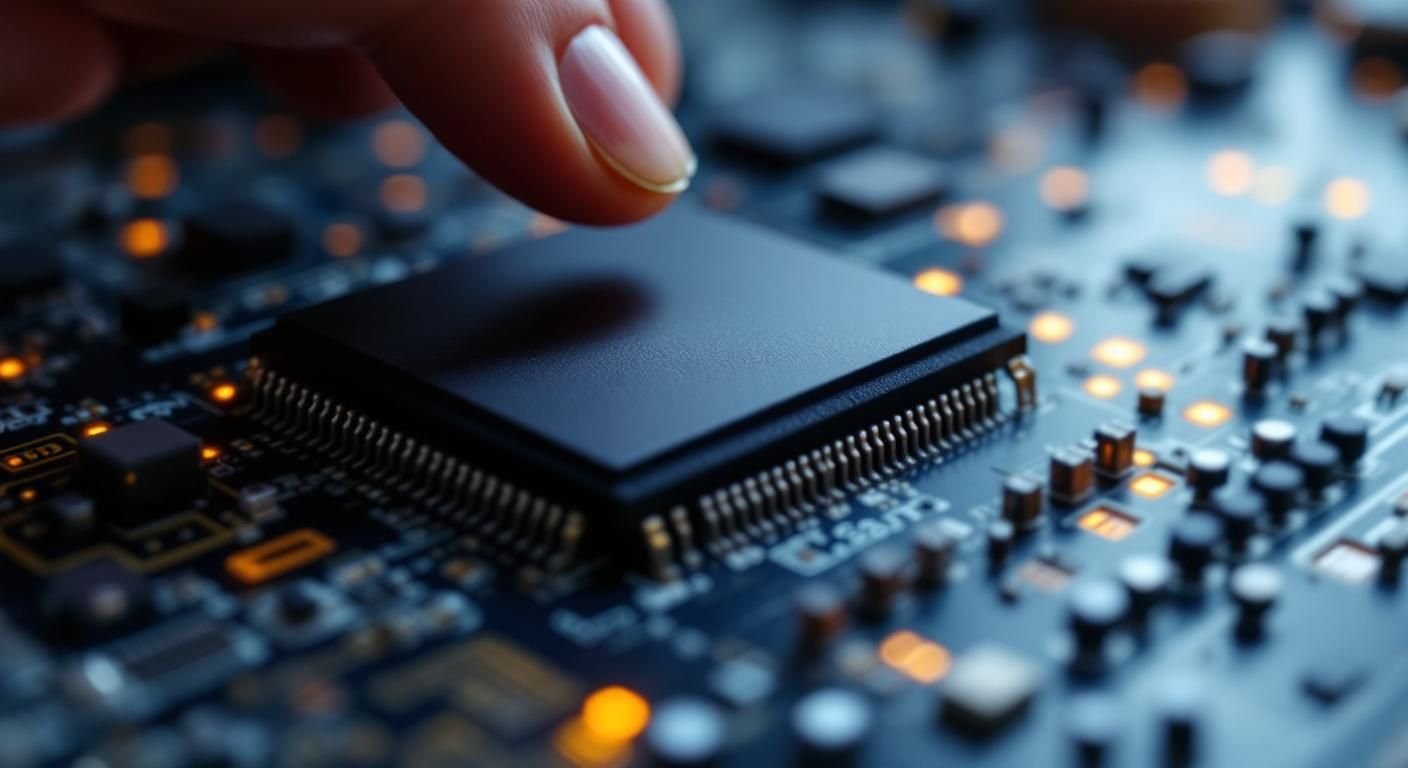
Understanding Chip Reprogramming in Home Electronics
Reprogramming the chip on your home electronics can enhance functionality and extend the lifespan of devices, but it requires a solid understanding of the underlying technology. Most home electronics use microcontrollers or microprocessors that can be programmed with specific firmware. Identifying whether your device can be reprogrammed involves checking for open-source firmware availability or manufacturer permissions. Understanding the risks associated with reprogramming, such as voiding warranties or bricking devices, is crucial before proceeding.
Identifying Compatible Devices
Not all electronics can be reprogrammed. Devices that allow modifications typically have a community of developers supporting them, such as smart home gadgets, routers, or older gaming consoles. Check online forums and manufacturer documentation to gauge compatibility. If you find a strong community around the device, it’s likely to have successful reprogramming guides available.
Understanding Firmware and Software
Firmware acts as the software that runs on the device chip. It’s essential to comprehend how firmware updates work and whether your device supports custom firmware. Research existing firmware versions and their features, as well as tools used for reprogramming, such as development environments or programming languages suited for the device.
Assessing Risks and Benefits
While reprogramming can unlock new features, it also carries risks like bricking your device or voiding warranties. Carefully weigh these factors before proceeding. Additionally, consider whether the benefits, such as improved performance or new functionalities, outweigh the potential downsides.
Key Points:
- Not all home electronics can be reprogrammed; research is essential.
- Understanding firmware is crucial for successful reprogramming.
💡 Always back up existing firmware before making changes; this allows you to restore the device if something goes wrong.
💡 Join online communities or forums dedicated to your device for support and guidance from experienced users.
Step-by-Step Guide to Reprogramming Home Electronics
Once you’ve determined that your device is suitable for reprogramming, a systematic approach is necessary for success. This involves gathering the right tools, following precise procedures, and ensuring safety measures. Start by obtaining the necessary software tools and hardware interfaces, such as programmers or adapters, to connect your device to a computer. You’ll need to follow a series of well-defined steps to safely execute the reprogramming process.
Gathering Necessary Tools
Before beginning, ensure you have the right tools. This typically includes a computer with the appropriate software for coding and uploading firmware, as well as any necessary hardware interfaces. Research programming languages used for your device, as this knowledge will assist you in modifying or creating firmware.
Executing the Reprogramming Process
Follow a structured guide tailored to your specific device. This often involves connecting the device to a computer, writing or modifying code, and flashing the new firmware onto the chip. Pay close attention to instructions, as errors in this step can lead to device failure.
Testing and Troubleshooting
After reprogramming, conduct thorough testing to ensure the device operates as intended. If issues arise, utilize community forums or troubleshooting guides for solutions. Be prepared to revert to the original firmware if necessary.
Key Points:
- Gather all necessary tools before starting the reprogramming process.
- Follow guides closely to minimize the risk of device failure.
💡 Document every step you take during the reprogramming process; this will help you troubleshoot issues later.
💡 Test the device in a controlled setting to prevent unexpected failures after reprogramming.
EXPERT TIPS Pro Advice
Start with simple projects first
This allows you to gain experience and confidence before tackling more complex devices. Simple projects help you understand the fundamentals of chip programming.
Research thoroughly
Understanding the specific architecture and limitations of your device will help you avoid common pitfalls and make informed decisions during the reprogramming process.
Keep your workspace organized
An organized workspace reduces the likelihood of losing components or making mistakes, which is critical when working with small electronic parts.
Frequently Asked Questions
Conclusion
Reprogramming the chip on your home electronics can enhance functionality, but it requires the right tools and knowledge. Understanding the risks and benefits is crucial. Always research firmware compatibility and manufacturer guidelines to ensure success and prevent warranty issues.
🎯 Key Takeaways:
- Reprogramming is possible but requires technical skills.
- Right tools include programming devices and compatible software.
- Reprogramming can void warranties; check terms first.
- Always back up data before attempting reprogramming.
- Research firmware from reliable sources to avoid issues.
Expert Advice: Before reprogramming, assess your technical skills and understand the risks involved. If you’re unsure, seek guidance from experts or community forums to increase your chances of success.
Consider learning more about electronics programming through online tutorials or local workshops to enhance your skills.
Leave a Reply