
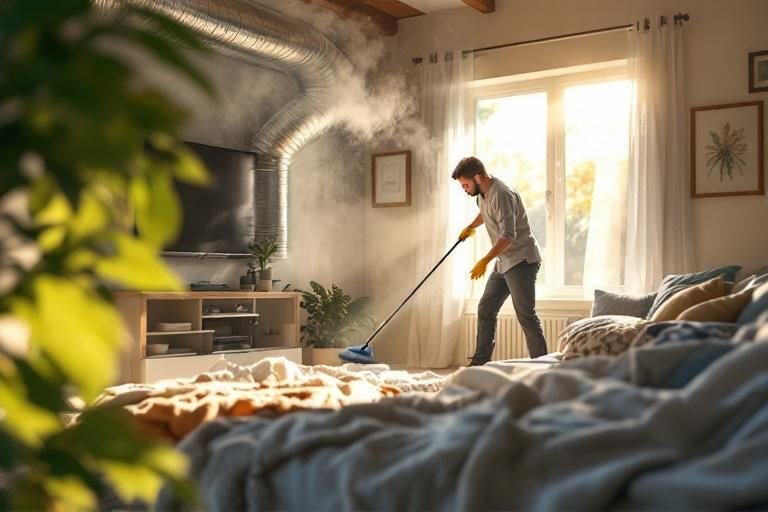
Are you breathing in dust and allergens without realizing it? Many homeowners overlook a vital aspect of maintaining indoor air quality: the frequency of air duct cleaning. Studies show that dirty air ducts can harbor pollutants, leading to respiratory issues and decreased HVAC efficiency. With over 15 years of experience in air quality management, I can assure you that understanding how often air ducts should be cleaned in a home is crucial for a healthy living environment. In this article, we will explore expert guidelines, the signs indicating your ducts need attention, and the benefits of regular maintenance. By the end, you’ll have a clear understanding of how to keep your home’s air clean and your HVAC system running efficiently.
Understanding Air Duct Cleaning
Air duct cleaning involves the removal of dust, debris, and contaminants from your home’s ductwork. This process is crucial for maintaining indoor air quality and ensuring efficient HVAC system performance. Regular cleaning can prevent allergens from circulating throughout your living spaces, contributing to a healthier environment. The frequency of duct cleaning can depend on various factors, including the presence of pets, allergies, and local air quality. In general, it’s recommended to have your air ducts inspected at least every three to five years, but more frequent cleaning may be necessary depending on specific circumstances.
Signs Your Ducts Need Cleaning
Several indicators can signal the need for air duct cleaning. If you notice increased dust accumulation on surfaces, musty odors emanating from vents, or visible mold growth inside the ducts, it’s time to take action. Additionally, if your HVAC system is running less efficiently or you experience fluctuating temperatures in different rooms, these could also be signs that your air ducts require cleaning.
Factors Affecting Cleaning Frequency
Various factors influence how often air ducts should be cleaned in a home. Homes with pets may collect more dander and hair, necessitating more frequent cleanings. Additionally, if anyone in your household suffers from allergies or respiratory issues, more regular maintenance may be beneficial. Homes in urban areas or near construction sites may also accumulate dust and debris faster, warranting shorter intervals between cleanings.
Key Points:
- Air duct cleaning improves indoor air quality.
- Frequency of cleaning depends on specific household factors.
💡 Monitor your home’s air quality regularly to determine cleaning needs.
💡 Keep an eye on changes in your HVAC system’s performance as a signal for duct cleaning.
Benefits of Regular Air Duct Cleaning
Maintaining clean air ducts provides multiple benefits that extend beyond just air quality. Regular cleaning can enhance the efficiency of your HVAC system, reducing energy costs and prolonging its lifespan. When ducts are clogged with dust and debris, the system has to work harder to circulate air, leading to increased wear and tear. Additionally, clean ducts contribute to a healthier living environment by reducing allergens and irritants, which can be particularly important for children, the elderly, and individuals with existing health conditions. Overall, investing in regular duct cleaning can yield significant long-term savings and health benefits.
Improved Energy Efficiency
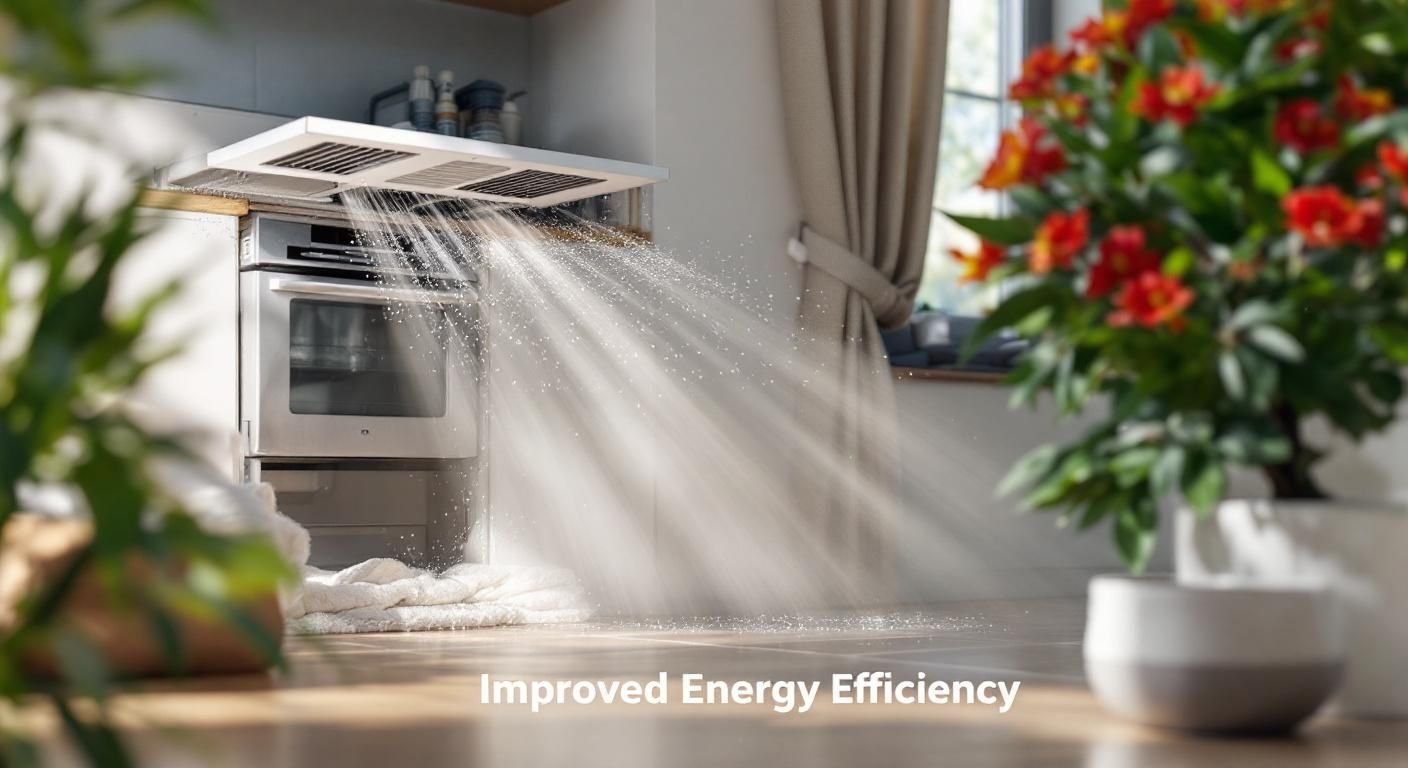
A clean air duct system operates more efficiently, resulting in lower energy bills. When ducts are free from blockages and contaminants, air can flow more freely, allowing your HVAC system to maintain consistent temperatures without overexertion. This efficiency translates to less energy consumption and reduced operational costs, benefiting both your wallet and the environment.
Enhanced Indoor Air Quality
One of the primary benefits of regular air duct cleaning is improved indoor air quality. Clean ducts help to minimize the presence of allergens, dust, and pollutants in your home. This is especially crucial for individuals with allergies or respiratory issues, as cleaner air can lead to fewer symptoms and a better quality of life. Ensuring good indoor air quality is a key aspect of maintaining a healthy home.
Key Points:
- Regular cleaning enhances HVAC efficiency.
- Clean ducts improve indoor air quality, benefiting health.
💡 Schedule duct inspections regularly to catch issues early.
💡 Consider a duct cleaning service if you notice persistent odors or respiratory problems.
Understanding the Importance of Air Duct Cleaning Frequency
Cleaning your air ducts is essential for maintaining a healthy indoor environment. The frequency of cleaning can directly affect your home’s air quality and HVAC efficiency. Generally, it is recommended to clean air ducts every 3 to 5 years; however, this can vary based on several factors, including household size, presence of pets, and local climate. Regular cleaning helps in reducing allergens and dust, which contributes to better respiratory health and can lower energy costs by improving HVAC efficiency.
Factors Influencing Cleaning Frequency
Several factors determine how often air ducts should be cleaned. Homes with pets or smokers may need more frequent cleanings due to increased dust and pollutants. Additionally, homes in dusty areas or with recent renovations should consider more regular maintenance to remove construction debris. Assessing these factors can help homeowners set a customized cleaning schedule.
Signs That Your Air Ducts Need Cleaning
Watch for signs indicating that your air ducts require cleaning. Common indicators include an increase in dust accumulation around the home, unusual odors coming from vents, or visible mold growth inside the ducts. If you notice an increase in allergy symptoms among residents, it may also be time for a cleaning to ensure that your indoor air quality is not compromised.
Key Points:
- Cleaning frequency typically ranges from 3 to 5 years.
- Assess household factors to determine the best cleaning schedule.
💡 Consider a professional assessment every few years to determine the specific needs of your system.
💡 If you have allergies, schedule duct cleaning more frequently to maintain a healthy environment.
Best Practices for Air Duct Maintenance
Regular maintenance of air ducts can prolong their life and improve the efficiency of your HVAC system. This includes routine checks and cleaning that can help prevent major issues. Additionally, using high-efficiency filters can minimize dust and allergens from accumulating in your ducts, reducing the need for frequent cleanings. Homeowners should also consider scheduling a professional duct cleaning service to ensure that the job is done thoroughly and correctly.
DIY Maintenance Between Professional Cleanings
While professional cleaning is essential, homeowners can perform DIY maintenance to keep ducts in better condition. Regularly changing air filters, vacuuming vents, and sealing any leaks around ducts can help minimize dust buildup. Keeping the area around your HVAC system clean and free of debris will also contribute to better airflow and reduce the frequency of professional cleanings.
Choosing the Right Time for Cleaning
Timing is crucial for effective air duct cleaning. The best time is typically during off-peak seasons, like spring or fall, when HVAC systems are less in use. This can also allow for necessary repairs or maintenance to be conducted simultaneously. Scheduling cleanings at these times can lead to better airflow and efficiency when the system is eventually put into heavy use.
Key Points:
- Regular maintenance can extend duct life and improve HVAC efficiency.
- Timing cleanings can enhance effectiveness and reduce disruptions.
💡 Regularly inspect and replace air filters to maintain air quality.
💡 Schedule cleaning during HVAC downtime for optimal results.
EXPERT TIPS Pro Advice
Assess your individual needs for duct cleaning.
Every home is different; evaluating your specific circumstances, such as pets or health conditions, can guide your cleaning schedule effectively.
Keep an eye on your energy bills.
A sudden spike in energy costs can indicate a need for duct cleaning or maintenance, as clogged ducts can force your HVAC system to work harder.
Listen for unusual noises from your ducts.
Noises like rattling or whistling can be signs of blockages or leaks, indicating a need for immediate cleaning or inspection.
Document cleaning dates and observations.
Keeping records of when ducts are cleaned and any observed changes in air quality can help establish a pattern for future maintenance.
Frequently Asked Questions
Conclusion
Regular air duct cleaning is essential for maintaining healthy indoor air quality and efficient HVAC systems. Typically recommended every 3 to 5 years, consider cleaning more frequently based on specific household factors. Being proactive about duct maintenance can significantly improve comfort and reduce health risks.
🎯 Key Takeaways:
- Clean air ducts every 3 to 5 years for optimal air quality.
- Look for signs like dust, odors, and rising energy bills.
- Professional cleaning is recommended for thorough results.
- Maintain ducts by changing filters and keeping your home clean.
Expert Advice: Prioritize air duct maintenance to enhance your home’s air quality and energy efficiency. Regular checks and professional cleanings can prevent long-term issues and promote a healthier living environment.
Evaluate your home’s air duct condition and consider scheduling a professional cleaning if necessary.
Leave a Reply