
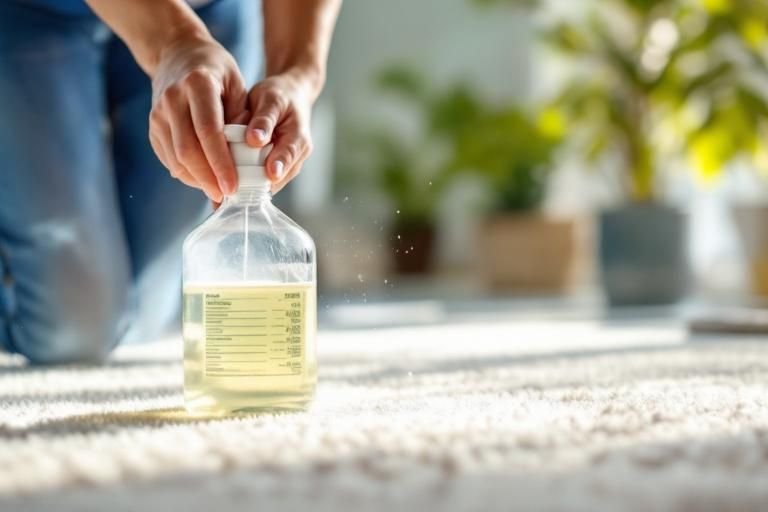
Are you tired of spending money on expensive commercial carpet cleaners that may contain harsh chemicals? Learning how to make carpet cleaner solution at home can not only save you money, but also provide a safer cleaning option for your family and pets. With just a few common household ingredients, you can create effective and eco-friendly solutions that tackle stains and odors. In this article, we will guide you through the process of making your own carpet cleaner, including tips for specific stains and the best practices for application. By the end, you’ll have the knowledge to keep your carpets looking fresh and clean without breaking the bank.
Understanding Carpet Cleaning Solutions
Creating a carpet cleaner solution at home can be an effective and economical way to maintain your carpets. Commercial cleaners can be expensive and often contain harsh chemicals that may not be safe for your family or pets. By using simple household ingredients, you can create effective cleaning solutions that are both safe and environmentally friendly. This section explores the basic components of a carpet cleaner and how they work to remove stains and odors.
Common Ingredients
The most common ingredients for homemade carpet cleaners include white vinegar, baking soda, and dish soap. White vinegar acts as a natural disinfectant and odor neutralizer, while baking soda helps lift stains and absorb moisture. Dish soap is effective for breaking down grease and grime. Understanding the roles of these ingredients can help you tailor solutions for specific cleaning needs.
Safety Considerations
When making a carpet cleaner solution at home, it’s crucial to consider safety. Always test your solution on a small, inconspicuous area of the carpet to ensure it doesn’t cause discoloration or damage. Additionally, avoid using ingredients that can leave a residue or are difficult to rinse out, as these can attract dirt and create more stains over time.
Key Points:
- Homemade carpet cleaners can be safe and effective.
- Common ingredients include vinegar, baking soda, and dish soap.
Basic Recipes for Homemade Carpet Cleaner
Creating your own carpet cleaner solutions is straightforward and can be customized based on your specific cleaning challenges. Here are a few basic recipes that cater to different types of stains and odors. Each solution utilizes common household ingredients and is designed for ease of use, allowing you to tackle carpet cleaning with confidence.
Vinegar and Water Solution
A simple and effective carpet cleaner can be made using equal parts of white vinegar and water. This solution works well for general cleaning and odor removal. To use, spray the mixture onto the stained area, let it sit for a few minutes, and blot with a clean cloth. This method is particularly effective for pet odors and light stains.
Baking Soda Paste for Stains
For tougher stains, a baking soda paste can be highly effective. Mix baking soda with a small amount of water to create a thick paste. Apply it directly to the stain and let it dry completely before vacuuming. This method helps lift deep-set stains and neutralizes odors, making it a great option for high-traffic areas.
Key Points:
- Vinegar and water is effective for general cleaning.
- Baking soda paste can tackle tough stains and odors.
Basic Ingredients for Homemade Carpet Cleaner
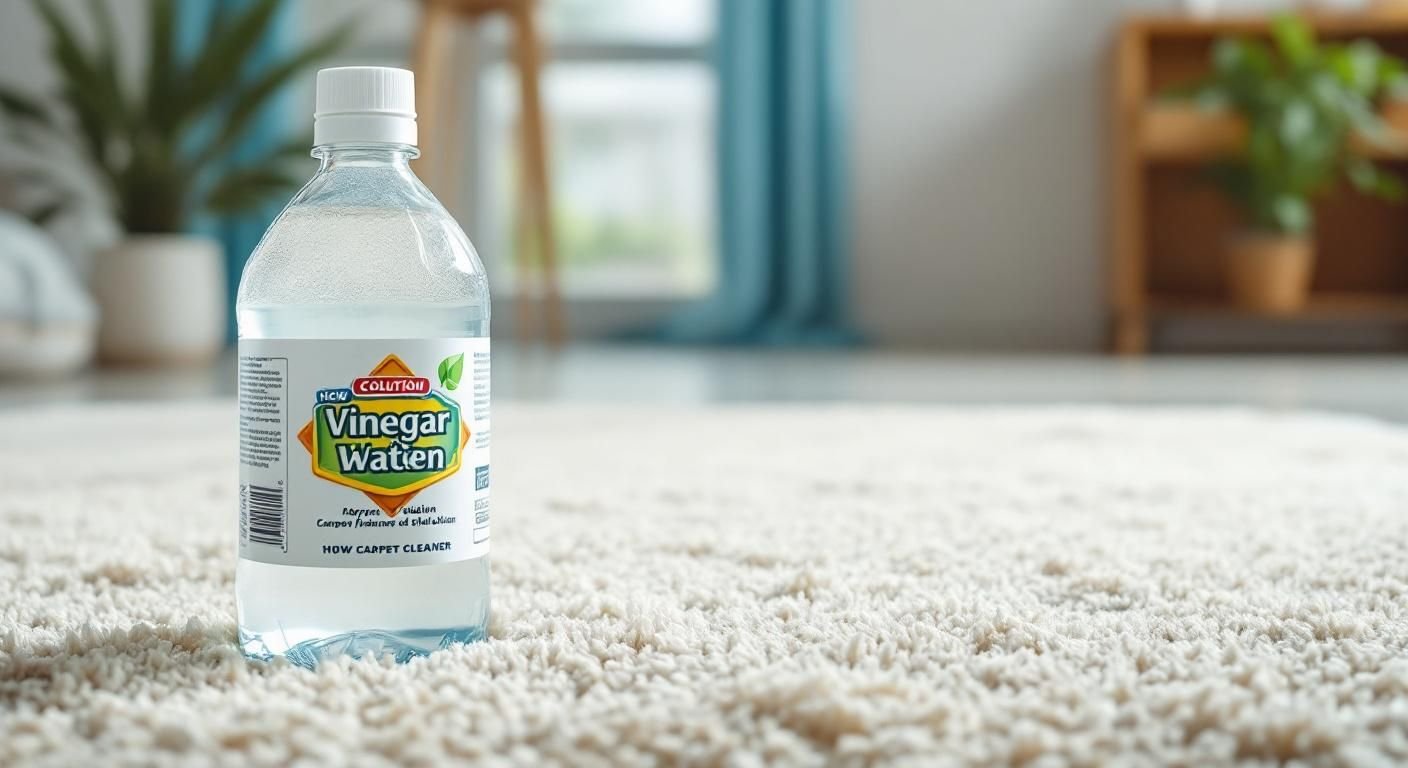
To create an effective carpet cleaner solution at home, it’s essential to understand the basic ingredients. Commonly used components include vinegar, baking soda, and dish soap. Vinegar acts as a natural disinfectant and deodorizer, while baking soda helps lift stains and absorb odors. Dish soap adds a cleaning agent that can tackle greasy spots. Combining these ingredients in the right proportions can yield a powerful solution suitable for most carpet types.
Vinegar and Water Solution
A simple mixture of equal parts vinegar and water can serve as an all-purpose cleaner. This solution is effective for removing stains and odors. To use, spray it directly onto the stained area, let it sit for a few minutes, and blot with a clean cloth. This method is gentle and safe for most carpets.
Baking Soda Paste
For tougher stains, a paste made from baking soda and water can be beneficial. Mix baking soda with a small amount of water to form a thick paste, apply it to the stain, and let it dry. Once dry, vacuum the area. This technique is excellent for absorbing stains and odors without damaging the carpet fibers.
Dish Soap Addition
Incorporating a few drops of dish soap into your vinegar-water solution enhances its cleaning power. The soap breaks down grease and grime, making it easier to lift stains. Mix one tablespoon of dish soap with a cup of vinegar and a cup of water, and use this mixture for a more robust cleaning solution.
Key Points:
- Vinegar and baking soda are effective, natural ingredients for carpet cleaning.
- Always perform a patch test before applying any solution to the entire carpet.
💡 Always test your solution on a small, inconspicuous area of the carpet first to avoid discoloration.
💡 Use warm water in your cleaning solutions as it can help dissolve stains more effectively.
Advanced Techniques for Stain Removal
Once you have your homemade carpet cleaner solution, you can employ advanced techniques for dealing with specific stains. Different stains require tailored approaches, such as using a blotting technique for liquid spills or a scrubbing method for ground-in dirt. Understanding how to effectively target various stains can greatly enhance your cleaning results, ensuring your carpets remain fresh and vibrant.
Blotting Technique for Liquid Stains
For liquid spills, it’s crucial to act quickly. Blot the area with a clean cloth to absorb as much liquid as possible, working from the outside in to prevent spreading. After blotting, apply your homemade cleaner and continue to blot until the stain is removed. This method minimizes damage to the carpet fibers.
Scrubbing for Stubborn Stains
For tougher stains like mud or wine, a gentle scrubbing technique may be necessary. Apply your carpet cleaner solution and use a soft-bristle brush to scrub the area in circular motions. Be careful not to overly saturate the carpet, as excess moisture can lead to mold growth.
Using Heat for Set-In Stains
For set-in stains, applying heat can help lift the stain. Use a wet cloth soaked in your cleaning solution, place it over the stain, and then apply a warm iron on low heat for a few seconds. The heat helps loosen the stain, making it easier to clean. Always check the carpet material’s heat tolerance before using this method.
Key Points:
- Quick action is essential for effective stain removal.
- Different stains require different techniques for optimal results.
💡 Always blot, never rub, to avoid damaging carpet fibers.
💡 Consider using a fan to speed up drying time after cleaning to prevent mold growth.
EXPERT TIPS Pro Advice
Maintain a regular cleaning schedule
Regularly vacuuming and treating stains promptly can prevent dirt buildup and prolong the life of your carpet.
Use cold water for protein stains
For stains like blood or egg, always use cold water to prevent proteins from setting into the fibers.
Consider the carpet type
Different carpet materials react differently to cleaning solutions; always consult care instructions if available.
Dilute solutions for delicate carpets
For delicate carpets, always dilute your cleaning solutions more than you would for sturdier carpets to prevent damage.
Avoid excessive moisture
Using too much cleaning solution can lead to mold and mildew growth; always ensure your carpet is properly dried after cleaning.
Frequently Asked Questions
Conclusion
Making a carpet cleaner solution at home is simple and effective. By using common ingredients like vinegar, baking soda, and dish soap, you can tackle stains and odors without harsh chemicals. Remember to always test your solution on a small area first for best results.
🎯 Key Takeaways:
- Homemade carpet cleaner is cost-effective and eco-friendly.
- Basic recipe includes vinegar, baking soda, and dish soap.
- Always test on a small area before full application.
- Vacuum carpets before applying the cleaner for better results.
- Adding essential oils can enhance cleaning and scent.
Expert Advice: Empower yourself to maintain your carpets by using natural solutions. Regular cleaning not only improves appearance but also prolongs the life of your carpets. Always be mindful of the materials and test new solutions cautiously.
Try making your own carpet cleaner today and enjoy a fresher, cleaner home environment!
Leave a Reply