

Are you considering a career in cyber security but unsure if you can do it from home? With the rise of remote work, the demand for cyber security professionals has surged, making it possible to effectively work from home in this field. As an expert with over 15 years in the industry, I understand the unique challenges and opportunities that come with remote cyber security roles. In this article, you will learn about the essential skills required, various remote job opportunities, and practical strategies to excel while working from home. Whether you’re a seasoned professional or just starting, this guide will equip you with the knowledge you need to successfully navigate the world of remote cyber security.
Understanding Cyber Security Work from Home
The rise of remote work has made the field of cyber security increasingly accessible for professionals looking to work from home. Cyber security involves protecting systems, networks, and data from digital attacks, which can often be performed remotely using various tools and technologies. The flexibility of working from home allows cyber security experts to monitor systems, respond to incidents, and conduct security assessments without being physically present in an office. However, it also presents unique challenges, such as maintaining secure connections and managing sensitive information responsibly.
Key Responsibilities
Professionals in cyber security working from home typically handle a variety of responsibilities. These include monitoring networks for security breaches, implementing security measures, conducting risk assessments, and educating remote teams about security protocols. Understanding these roles is crucial for anyone considering a career in remote cyber security.
Required Skills and Qualifications
To succeed in cyber security, especially while working from home, certain skills and qualifications are essential. A strong foundation in IT, familiarity with security protocols, and knowledge of cybersecurity tools are critical. Additionally, certifications such as CISSP or CompTIA Security+ can enhance one’s credibility and job prospects in this field.
Key Points:
- Remote work in cyber security is feasible and growing.
- Essential skills include IT knowledge and security certifications.
Setting Up a Secure Home Office for Cyber Security
Creating a secure home office environment is paramount for anyone working in cyber security. This involves not only setting up the right technology but also establishing protocols that protect sensitive information. A secure workspace helps mitigate risks of data breaches and ensures compliance with security standards. Factors to consider include reliable internet security, secure hardware, and effective data management practices.
Internet Security Measures
To protect your home office, start with robust internet security measures. Use a VPN to encrypt your internet connection, ensuring that data transmitted online remains secure. Additionally, regularly update your router’s firmware and change default passwords to enhance protection against unauthorized access.
Physical Security Considerations
While cyber security is primarily digital, physical security is also essential. Ensure that your workspace is in a location that is not easily accessible to others. Use locks for devices, and consider using screen privacy filters to prevent unauthorized viewing of sensitive information.
Key Points:
- A secure home office is critical for cyber security professionals.
- Implementing strong internet and physical security measures is essential.
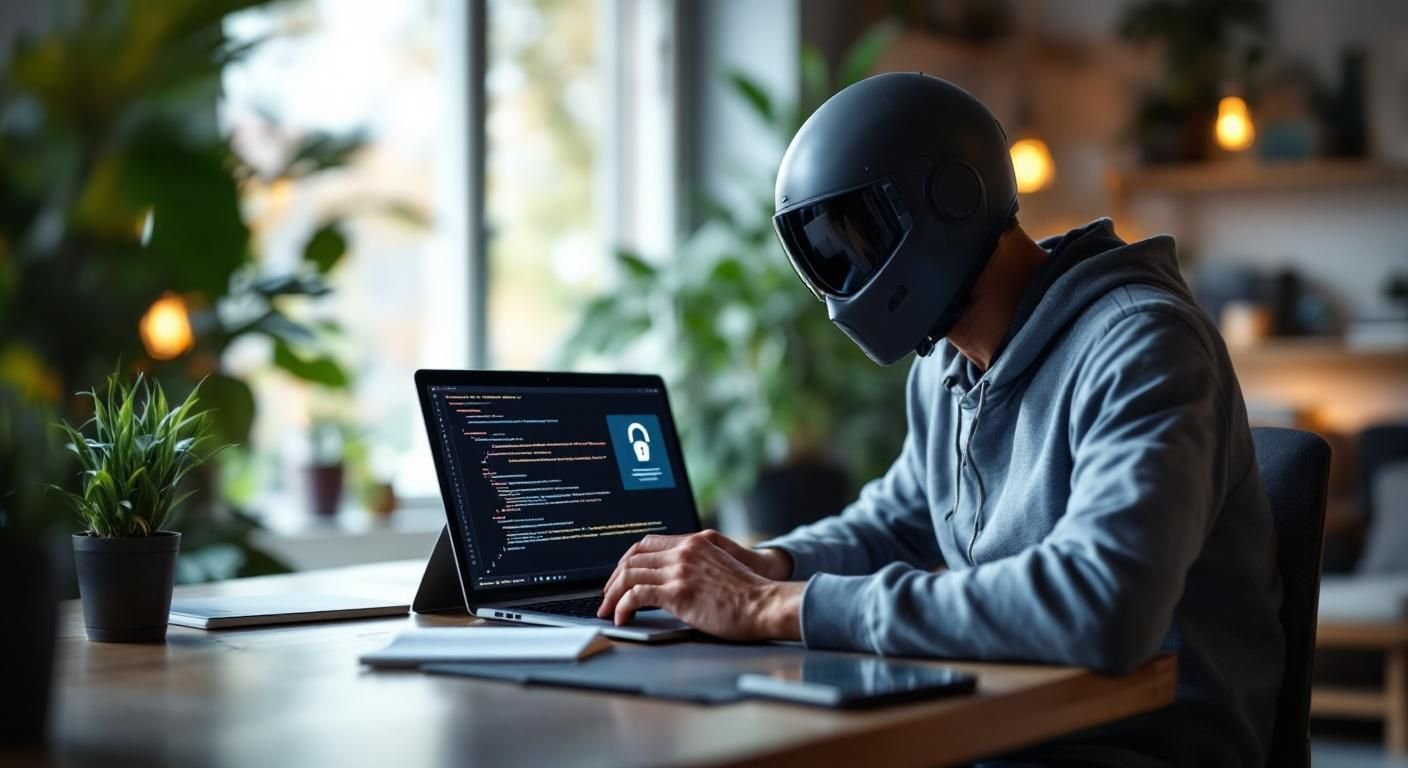
Understanding Cyber Security Roles for Remote Work
Cyber security encompasses various roles that can be effectively performed from home. Positions like security analysts, incident responders, and penetration testers are increasingly remote-friendly. Each role requires specific skills and tools, but the essence of cyber security remains the same: protecting information systems from breaches. Organizations are recognizing the value of remote work in this field, often offering flexible hours and the ability to work from any location. Understanding which roles suit your skills is crucial for a successful career in remote cyber security.
Types of Remote Cyber Security Roles
Common remote cyber security positions include security analyst, who monitors networks for threats, incident responder, who addresses breaches, and penetration tester, who simulates attacks. Each role has unique requirements. Analysts need strong analytical skills, responders must think quickly under pressure, and testers require creativity and technical expertise. Researching these roles helps you find the best fit for your skills and interests.
Key Skills Needed for Remote Cyber Security
To excel in remote cyber security, essential skills include knowledge of network security protocols, risk assessment, and familiarity with security tools. Strong problem-solving and communication skills are vital for remote teamwork. Continuous learning through certifications and courses is also necessary to keep up with evolving threats. Building a robust skill set can enhance your employability in this competitive field.
Key Points:
- Remote work is viable for various cyber security roles
- Continuous learning is essential for success in this field
💡 Tailor your resume to highlight relevant cyber security skills
💡 Join online forums to connect with industry professionals
Setting Up a Productive Home Office for Cyber Security
Creating an efficient home office is crucial for anyone working in cyber security. A dedicated workspace minimizes distractions and enhances focus on security tasks. It’s essential to have a reliable internet connection, the right hardware, and secure software tools to ensure productivity and data protection. Additionally, implementing best security practices for remote work can safeguard sensitive information and maintain compliance with organizational policies.
Essential Equipment for Cyber Security Work from Home
Key equipment includes a high-performance computer, dual monitors for multitasking, and a secure router. Investing in a reliable VPN is also critical to encrypt internet traffic and protect data. Ergonomic furniture can enhance comfort during long hours. Having the right tools ensures that you can perform tasks efficiently while maintaining security standards.
Best Practices for Cyber Security at Home
Implementing strong passwords, using two-factor authentication, and regularly updating software are vital practices. Conducting regular security audits of your home network can help identify vulnerabilities. Staying informed about the latest cyber threats can also enable you to respond effectively. By following these practices, you can create a secure environment for your remote work.
Key Points:
- A well-set-up home office enhances productivity
- Best practices for cyber security are essential for remote work
💡 Use a dedicated workspace to minimize distractions
💡 Regularly update software to protect against vulnerabilities
EXPERT TIPS Pro Advice
Network with other professionals in the field
Networking can lead to opportunities and insights into best practices, making it easier to navigate the remote work landscape in cyber security.
Stay updated on industry trends and threats
Cyber security is a constantly evolving field. Regularly reading industry reports and blogs helps you stay ahead of potential threats.
Participate in online cyber security challenges
Engaging in competitions can sharpen your skills and provide practical experience, making you more attractive to potential employers.
Create a daily routine and set goals
Having a structured schedule helps maintain productivity and ensures that you remain focused on your work objectives.
Develop a personal cyber security policy
Establishing a clear policy for your home office helps ensure you follow best practices and maintain data security consistently.
Frequently Asked Questions
Conclusion
Working from home in cybersecurity is not only feasible but increasingly common. It requires specific skills such as threat analysis and network security, along with certifications to enhance your employability. Staying informed about trends and challenges can further ensure success in this field.
🎯 Key Takeaways:
- Cybersecurity roles can be done remotely effectively.
- Key skills include network security and threat analysis.
- Use job boards and networking to find opportunities.
- Certifications enhance credibility and job prospects.
- Staying informed is crucial for success in cybersecurity.
Expert Advice: Invest time in developing your skills and certifications while actively networking. Embrace continuous learning to remain competitive in the evolving cybersecurity landscape.
Explore remote job opportunities and start building your cybersecurity skills today!
Leave a Reply