

Can you do cyber security from home? This question is increasingly relevant as remote work becomes the norm in many industries. With the rise of cyber threats, the demand for skilled cyber security professionals has never been higher, and many are finding opportunities to work remotely. In this article, we will explore the various roles and responsibilities in the cyber security field that can be performed from home, the essential skills required, and tips for creating a productive work environment. Whether you’re considering a career change or looking to enhance your current skill set, this guide will provide you with valuable insights into successfully navigating the world of remote cyber security.
Understanding Cyber Security as a Remote Career
Cyber security is increasingly becoming a viable career option for remote work. Professionals in this field protect networks, systems, and data from cyber threats. The rise of digital transformation has led many organizations to adopt remote work policies, making the demand for cyber security expertise even more critical. Remote cyber security roles can include positions such as security analysts, incident responders, and penetration testers. This flexibility allows individuals to work from anywhere while contributing to the safety of digital environments.
Key Roles in Remote Cyber Security
There are various roles within cyber security that can be performed remotely. Common positions include security analysts who monitor networks for breaches, penetration testers who simulate attacks to find vulnerabilities, and compliance managers who ensure organizations meet security regulations. Each role requires specific skills and knowledge to effectively safeguard information systems.
Qualifications and Skills Required
To pursue a career in cyber security from home, individuals typically need a foundational understanding of computer science and information technology. Certifications such as CompTIA Security+, Certified Ethical Hacker, or Certified Information Systems Security Professional (CISSP) can enhance job prospects. Additionally, strong analytical skills and attention to detail are crucial for identifying potential threats.
Key Points:
- Cyber security offers diverse remote roles.
- Qualifications and certifications are key for success.
💡 Begin with foundational courses in IT and networking to build your knowledge base.
💡 Pursue relevant certifications to enhance your qualifications and job readiness.
Setting Up for Success in Remote Cyber Security
Successfully working in cyber security from home requires a conducive work environment and the right tools. A reliable internet connection and appropriate hardware are essential for accessing sensitive information securely. Additionally, organizations often require the use of specific software tools for monitoring, analysis, and reporting, which can be managed remotely. Maintaining a professional workspace also helps in staying focused and productive.
Essential Tools and Technologies
Remote cyber security professionals often use a variety of tools, including Virtual Private Networks (VPNs) for secure connections, firewalls for network protection, and intrusion detection systems to monitor potential threats. Familiarity with these tools is essential for performing tasks effectively from a remote location.
Creating a Productive Home Office
A dedicated workspace at home can significantly impact productivity. Ensure that your workspace is quiet, organized, and equipped with necessary technology. Ergonomic furniture can enhance comfort during long hours of work, while minimizing distractions helps maintain focus on cyber security tasks.
Key Points:
- A suitable home office is vital for productivity.
- Familiarity with cyber security tools is necessary for remote work.
💡 Invest in reliable hardware and secure software to ensure smooth operations.
💡 Establish a daily routine to maintain structure and productivity while working from home.
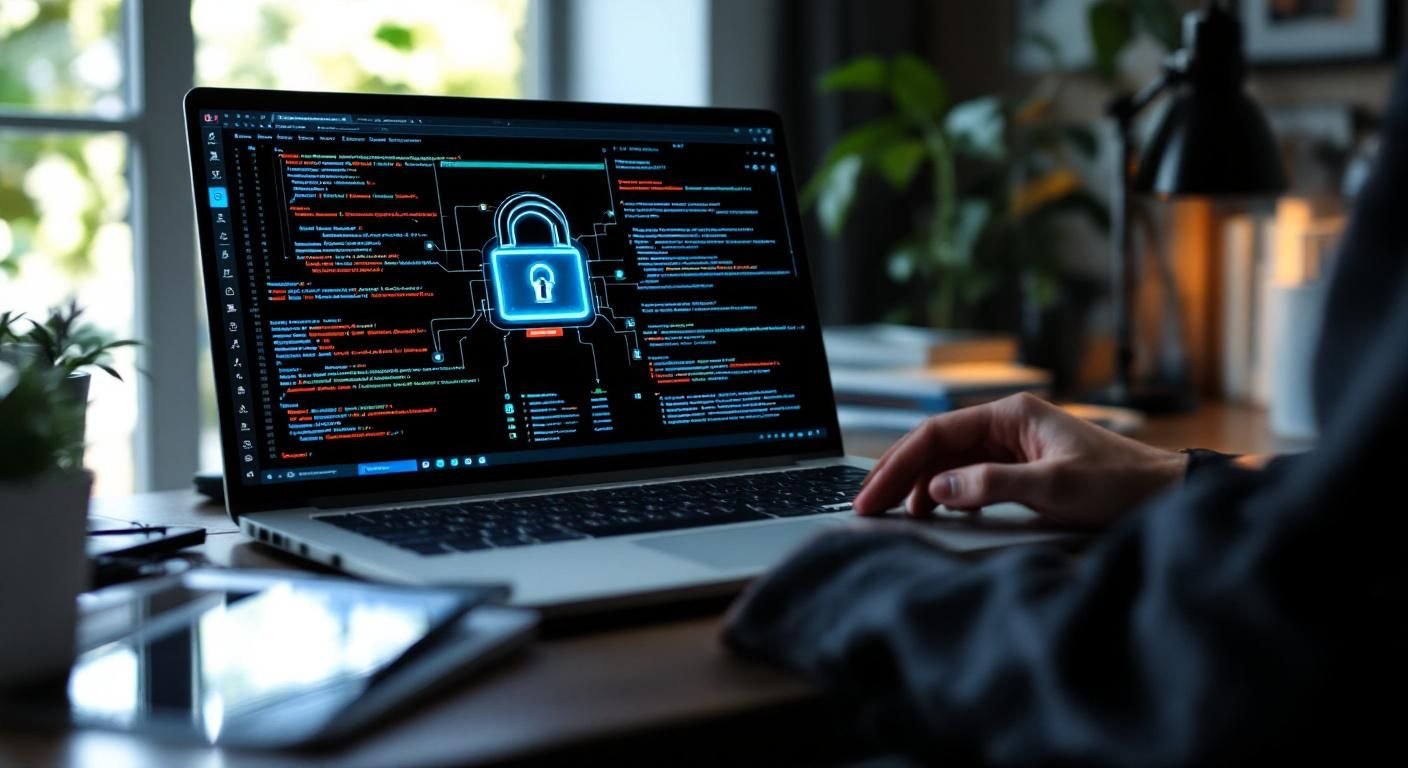
Understanding Remote Cybersecurity Roles
The shift towards remote work has transformed many cybersecurity roles, making it feasible to perform them from home. Positions like security analyst, penetration tester, and incident responder can often be done remotely. However, the nature of the work may require specific tools and a stable internet connection to effectively manage security protocols and respond to incidents. Remote roles often necessitate a strong understanding of network security, compliance regulations, and threat detection methodologies.
Key Remote Positions in Cybersecurity
Common remote cybersecurity roles include security analysts, who monitor networks for security breaches, and penetration testers, who simulate attacks to identify vulnerabilities. Incident responders are also crucial; they address and mitigate security incidents. Understanding these roles is essential for anyone considering a cybersecurity career from home.
Required Skills for Remote Cybersecurity
To succeed in remote cybersecurity roles, individuals should have a solid foundation in network security, encryption, and risk management. Proficiency in programming languages like Python or Java can be advantageous. Additionally, strong communication skills are vital to collaborate effectively with teams and report on security findings.
Key Points:
- Many cybersecurity roles can be effectively performed from home.
- Strong technical and communication skills are essential for remote cybersecurity success.
💡 Consider obtaining relevant certifications, as they enhance your credibility and demonstrate your expertise in remote cybersecurity.
💡 Create a dedicated workspace at home to minimize distractions and maintain focus on your cybersecurity tasks.
Setting Up a Secure Home Environment
When working in cybersecurity from home, establishing a secure environment is paramount. This includes using strong passwords, enabling two-factor authentication, and ensuring your home network is secure against unauthorized access. Additionally, using a virtual private network (VPN) can help protect your data when accessing company resources remotely. A secure home setup is critical for maintaining the integrity of sensitive information and preventing potential breaches.
Home Network Security Best Practices
To secure your home network, change the default router credentials, enable WPA3 encryption, and regularly update your router’s firmware. Consider segmenting your network to isolate work devices from personal devices, reducing the risk of cross-contamination in case of a breach.
Implementing Strong Access Controls
Utilize strong, unique passwords for all accounts and devices, and implement two-factor authentication wherever possible. Regularly review and update access controls to ensure that only authorized personnel have access to sensitive information and systems.
Key Points:
- A secure home environment is crucial for protecting sensitive data.
- Implementing strong access controls can significantly reduce the risk of unauthorized access.
💡 Regularly back up important data to an external drive or cloud service to prevent data loss in case of a cyber incident.
💡 Stay informed about the latest cybersecurity threats and trends to proactively defend against potential attacks.
EXPERT TIPS Pro Advice
Regularly update your software and operating systems.
This matters because outdated software is a primary target for cybercriminals. Keeping everything updated ensures you have the latest security features and patches.
Engage in continuous learning through online courses and webinars.
The cybersecurity landscape is constantly evolving. Ongoing education keeps you informed about new threats and technologies, enhancing your effectiveness at home.
Network with other cybersecurity professionals online.
Building a professional network can provide support, share insights, and open opportunities for collaboration on security projects.
Frequently Asked Questions
Conclusion
Cyber security is a viable career option that can be pursued from home. With essential skills, certifications, and a reliable workspace, remote positions are available across various roles. Staying updated on industry trends and networking can enhance your career prospects significantly.
🎯 Key Takeaways:
- Remote cyber security jobs are accessible and in demand.
- Essential skills and certifications improve employability.
- Online resources and networking can help you find opportunities.
- Establishing a secure and distraction-free workspace is crucial.
Expert Advice: Focus on building practical experience and continuously updating your skills. Engage with the cyber security community to stay informed about new threats and solutions, which will empower you in your remote career.
Explore online courses and start networking within the cyber security field today to pave your path to a rewarding remote career.
Leave a Reply