
Are you tired of throwing away kitchen scraps that could be transformed into nutrient-rich compost? Did you know that nearly 30% of our household waste consists of food scraps? Learning how to make compost from kitchen waste at home not only reduces landfill waste but also enriches your garden soil, promoting a healthier ecosystem. With over 15 years of experience in sustainable gardening practices, I’ll guide you through the simple steps and essential tips needed to turn your kitchen waste into valuable compost. In this article, you’ll discover the benefits of composting, the materials you can use, the composting process, and how to maintain your compost to ensure optimal results.
Understanding Composting Basics
Composting is a sustainable practice that transforms kitchen waste into nutrient-rich soil. Understanding the basics of composting is crucial for successful implementation. Kitchen waste, such as fruit and vegetable scraps, eggshells, and coffee grounds, can significantly contribute to compost. The process of decomposition is facilitated by microorganisms, air, and moisture. By following a few essential guidelines, anyone can create rich compost from their kitchen waste at home.
What is Compost?
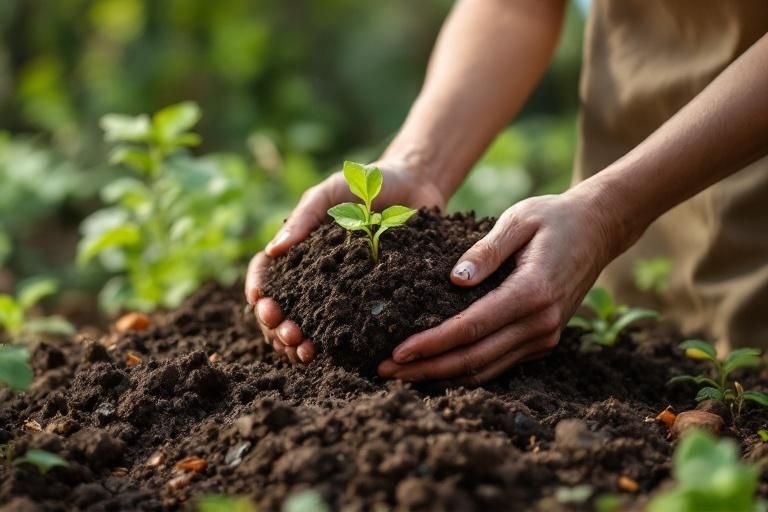
Compost is organic material that has decomposed, creating a dark, crumbly substance rich in nutrients. It serves as an excellent soil amendment, enhancing soil structure, moisture retention, and nutrient availability. Composting not only reduces landfill waste but also supports plant growth by returning valuable nutrients to the earth.
Benefits of Composting Kitchen Waste
Composting kitchen waste offers numerous benefits, including reducing waste sent to landfills, lowering greenhouse gas emissions, and providing a natural fertilizer for gardens. Additionally, composting enriches the soil, supports healthy plant growth, and encourages biodiversity by fostering a habitat for beneficial organisms.
Key Points:
- Composting transforms waste into valuable soil
- Reduces environmental impact by minimizing landfill contributions
Essential Materials for Composting
To create effective compost from kitchen waste, it’s important to know what materials to include. Composting relies on a balance of ‘greens’ and ‘browns.’ Greens are nitrogen-rich materials like vegetable scraps and coffee grounds, while browns are carbon-rich materials such as dried leaves and cardboard. Balancing these materials ensures efficient decomposition and reduces odors. Additionally, moisture and aeration play key roles in the composting process.
Greens: The Nitrogen-Rich Components
Greens include fresh kitchen scraps like fruit and vegetable peels, coffee grounds, and grass clippings. These materials are essential for providing nitrogen, which fuels microbial activity. Aim for a ratio of about 1 part greens to 3 parts browns to maintain a healthy compost mix.
Browns: The Carbon-Rich Components
Browns consist of dry materials such as dried leaves, straw, and shredded paper. They provide the necessary carbon that aids in the composting process. Incorporating sufficient browns helps to balance moisture and prevents the compost from becoming too compacted, ensuring proper airflow.
Key Points:
- Balance greens and browns for optimal composting
- Include moisture and aeration for effective decomposition
Understanding Kitchen Waste for Composting
Composting kitchen waste is an eco-friendly way to recycle organic materials and create nutrient-rich soil. To get started, it’s crucial to understand the types of kitchen waste suitable for composting. Generally, kitchen waste can be categorized into ‘greens’ and ‘browns.’ Greens include vegetable scraps, fruit peels, and coffee grounds, rich in nitrogen. Browns consist of dried leaves, paper, and cardboard, providing carbon. A balanced mix of these components accelerates the composting process and enhances the quality of the compost produced.
Types of Kitchen Waste
Kitchen waste primarily consists of organic materials. Suitable items include vegetable scraps, fruit peels, eggshells, and coffee grounds for greens. For browns, consider dried leaves, cardboard, and paper. Avoid meat, dairy, and oily foods, as they can attract pests and create odors.
Balancing Greens and Browns
A successful compost pile should ideally maintain a ratio of 3:1 browns to greens. This balance provides the right conditions for decomposition. If your compost is too wet or smells, you likely have too many greens. Adding more browns can help remedy this issue.
Key Points:
- Identify and separate greens and browns for effective composting.
- Maintain the correct ratio for optimal compost quality.
💡 Use a compost bin or pile to control the environment effectively.
💡 Chop or shred larger pieces of waste to speed up decomposition.
Composting Process and Maintenance
Once you’ve gathered the right materials, it’s time to start the composting process. Begin by layering your greens and browns in a compost bin or pile. Aeration is vital, so turn the compost regularly to introduce oxygen, which speeds up decomposition. Monitor moisture levels; the compost should feel like a damp sponge. If it becomes too dry, add water, and if too wet, add more browns. Patience is key, as the composting process can take anywhere from a few weeks to several months, depending on conditions.
Layering Your Compost
Start with a base layer of coarse browns, such as twigs or straw. Alternate layers of greens and browns, ensuring the top layer is brown. This helps prevent odors and keeps the compost aerated. Proper layering is essential for effective decomposition.
Monitoring Compost Conditions
Regularly check the temperature and moisture of your compost. A hot compost pile (135°F to 160°F) indicates active decomposition. Adjust moisture by watering or adding dry materials. Turning the pile every few weeks helps maintain airflow and promotes even decomposition.
Key Points:
- Layering is crucial for effective composting.
- Regular monitoring and turning can accelerate the process.
💡 Use a compost thermometer to monitor temperatures accurately.
💡 Keep a compost journal to track progress and adjustments.
EXPERT TIPS Pro Advice
Start small and scale up your composting efforts.
Beginning with a small compost setup allows you to learn the process without overwhelming yourself. Once comfortable, you can expand your efforts.
Use beneficial microorganisms to enhance decomposition.
Introducing microorganisms can significantly speed up composting. Consider adding a handful of soil or finished compost to jumpstart the microbial activity.
Maintain a diverse mix of materials.
The more varied your compost materials, the more nutrients your final compost will contain. Aim for a mix of fruits, vegetables, and yard waste.
Be patient and observe changes.
Composting is a natural process that takes time. Regularly check your compost’s progress, and be patient as it transitions from waste to rich soil.
Consider vermicomposting for faster results.
Using worms can accelerate the composting process and create high-quality compost. This method is particularly effective for kitchen scraps.
Frequently Asked Questions
Conclusion
Composting kitchen waste at home is a sustainable practice that enriches soil and reduces waste. By knowing what materials to compost and how to manage your compost pile effectively, you can create nutrient-rich compost for your garden. Regular maintenance and monitoring yield the best results.
🎯 Key Takeaways:
- Use only raw kitchen scraps for composting.
- Layer kitchen waste with carbon-rich materials.
- Maintain moisture and aerate your compost regularly.
- Expect compost to be ready in 3 to 6 months.
- Look for dark, crumbly texture as a sign of readiness.
Expert Advice: Start composting today by gathering your kitchen scraps and setting up a composting system. With patience and care, you’ll contribute positively to the environment while enhancing your gardening efforts.
Begin your composting journey and watch your kitchen waste transform into valuable compost for your plants.
Leave a Reply