
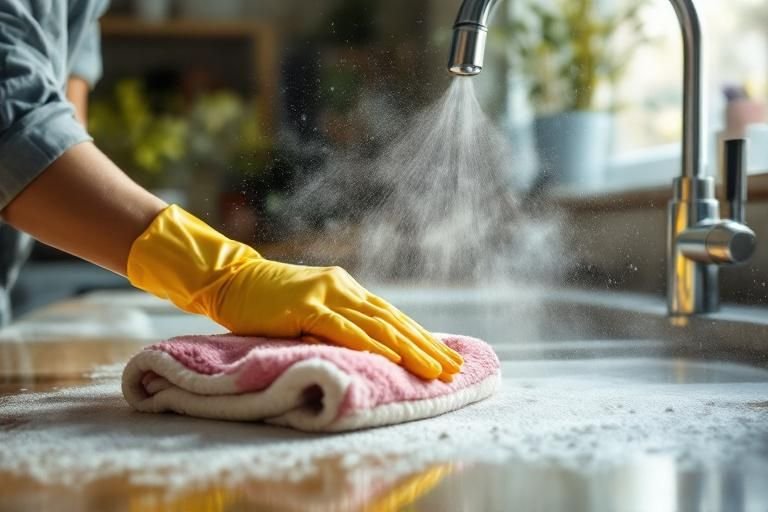
Are you overwhelmed by the thought of tackling dirt and grime in your home? According to studies, a clean living environment can significantly improve your mental well-being. Knowing how to do a deep cleaning at home is essential for maintaining not just cleanliness, but also a healthy atmosphere. As a seasoned expert in home organization and cleaning strategies, I will guide you through practical steps that will make your deep cleaning process efficient and effective. In this article, you’ll discover a comprehensive checklist, room-by-room strategies, and tips to ensure every nook and cranny is spotless. Get ready to transform your space into a fresh, inviting haven.
Understanding Deep Cleaning: What It Is and Why It Matters
Deep cleaning is a thorough cleaning process that goes beyond the usual surface cleaning. It involves scrubbing hard-to-reach areas, eliminating dirt and grime, and sanitizing surfaces to create a healthier environment. Unlike regular cleaning, which may only address visible dirt, deep cleaning targets hidden contaminants that can affect air quality and overall health. It’s essential for maintaining a clean home, especially in areas prone to allergens, bacteria, and viruses. Regular deep cleaning can reduce the risk of illness, improve indoor air quality, and create a more pleasant living space.
Differences Between Regular and Deep Cleaning
While regular cleaning often includes tasks like dusting, vacuuming, and wiping down surfaces, deep cleaning takes it a step further. It covers areas that are often neglected, such as behind appliances, inside cabinets, and under furniture. Deep cleaning also typically involves sanitizing surfaces, which is crucial for killing germs and bacteria. Understanding these differences helps prioritize tasks and determine when a deep clean is necessary.
Health Benefits of Deep Cleaning
Deep cleaning significantly contributes to a healthier living environment. It helps reduce allergens like dust mites and mold, which can trigger asthma and allergies. Furthermore, it eliminates bacteria and viruses that can lead to illnesses. By investing time in deep cleaning, you can create a more hygienic home, which is particularly important for families with young children or elderly members who may be more susceptible to health risks.
Key Points:
- Deep cleaning is more thorough than regular cleaning
- It is essential for maintaining a healthy home environment
Preparing for a Deep Clean: Essential Steps
Before embarking on a deep cleaning journey, preparation is key. Start by gathering all necessary cleaning supplies and tools to make the process more efficient. Creating a cleaning schedule can also help organize tasks and ensure that every area of your home is addressed. Additionally, decluttering your space beforehand will streamline the cleaning process, allowing you to focus on deep cleaning specific areas without distractions.
Gathering Supplies
Collect all cleaning supplies you will need, such as microfiber cloths, mops, brushes, and buckets. Additionally, consider eco-friendly cleaning solutions that are effective yet safe for your home. Having everything prepared will save time and keep you from interrupting your cleaning flow to find missing items.
Creating a Cleaning Schedule
Drafting a cleaning schedule helps break down the deep cleaning process into manageable tasks. Designate specific days or times for each room or area, ensuring that you can tackle everything without feeling overwhelmed. Prioritizing areas that require more attention, such as kitchens and bathrooms, can also help optimize your efforts.
Decluttering Before Deep Cleaning
Before deep cleaning, take the time to declutter your space. Sort items into categories: keep, donate, or discard. This will not only make cleaning easier but also create a more organized home environment. A clutter-free space allows for more thorough cleaning, as you can reach surfaces and corners that would otherwise be hidden.
Key Points:
- Preparation is essential for an efficient deep clean
- A cleaning schedule helps manage tasks effectively
Preparing for a Deep Clean
Before diving into a deep clean, preparation is crucial for efficiency. Start by decluttering each room; remove items that don’t belong and organize your space. This step not only makes cleaning easier but also provides a more satisfying environment. Next, gather all necessary cleaning supplies, including brooms, mops, microfiber cloths, and a vacuum. Having everything on hand reduces interruptions during the process, allowing for a smoother experience. Lastly, create a cleaning schedule, prioritizing areas based on use and dirt accumulation. This structured approach ensures thoroughness and helps manage time effectively.
Decluttering Your Space
Decluttering is the first step in deep cleaning. Go room by room and sort items into three categories: keep, donate, and discard. This process not only clears your space but also reduces the number of items you need to clean. Set a timer for each room to keep yourself accountable and focused. Remember, the less clutter you have, the easier it will be to maintain a clean home in the long run.
Gathering Cleaning Supplies
Having all your cleaning supplies ready before starting saves time and increases efficiency. Consider the surfaces and materials in your home to determine what you need. Basic items include disinfectants, scrub brushes, and vacuum cleaners. Additionally, reusable microfiber cloths can be an eco-friendly option. Organize your supplies into a caddy for easy access while cleaning.
Key Points:
- Preparation is key to an efficient deep clean.
- Decluttering enhances the effectiveness of cleaning efforts.
💡 Always start with decluttering to streamline the cleaning process.
💡 Create a checklist to keep track of areas cleaned and tasks completed.
Executing the Deep Clean
Once prepared, the next step is executing the deep clean. Tackle one room at a time to maintain focus. Begin at the top of each room, such as dusting ceiling fans or light fixtures, and work your way down. This method prevents dust and debris from falling onto already cleaned surfaces. Pay special attention to high-traffic areas, including kitchens and bathrooms, where germs and dirt accumulate more quickly. Utilize specialized techniques like steam cleaning for carpets or upholstery to ensure thorough sanitation and cleanliness.
Room-by-Room Cleaning Strategy
Implement a room-by-room strategy for cleaning to ensure thoroughness. Start with less-used areas to build momentum and end with high-traffic zones like the living room or kitchen. This approach helps maintain a sense of accomplishment as you see completed spaces, motivating you to continue through your home.
Deep Cleaning Techniques
Employ specialized deep cleaning techniques such as scrubbing grout, sanitizing kitchen appliances, and washing windows. Don’t forget to clean often-overlooked areas like under furniture and behind appliances. These techniques not only enhance cleanliness but also prolong the lifespan of your belongings and improve indoor air quality.
Key Points:
- A systematic approach enhances the efficiency of deep cleaning.
- Specialized techniques can significantly improve cleanliness and hygiene.
💡 Dust from top to bottom to avoid resoiling cleaned surfaces.
💡 Use steam cleaning for effective sanitization and stain removal.
EXPERT TIPS Pro Advice
Set a timer for each task.
This helps manage your time effectively and keeps you motivated to complete each area without losing focus.
Involve family members.
Assigning tasks to family members can expedite the process and make it a collaborative effort, increasing overall effectiveness.
Use a vacuum with a HEPA filter.
This can capture allergens and improve indoor air quality, especially important during deep cleaning.
Prioritize high-touch areas.
Focus on cleaning areas that are frequently touched, such as doorknobs and light switches, to reduce the risk of germs spreading.
Consider seasonal deep cleaning.
Regularly scheduled deep cleans can help maintain a healthy home environment and prevent accumulation of dirt and grime.
Frequently Asked Questions
Conclusion
Deep cleaning your home is essential for fostering a healthy living environment. By prioritizing areas that accumulate dust and grime, following a well-structured checklist, and determining how often to clean, you can maintain cleanliness and comfort. Consider your personal needs to decide if professional help is necessary.
🎯 Key Takeaways:
- Deep cleaning is more thorough than regular cleaning.
- Aim for at least two deep cleanings per year.
- Prioritize kitchens, bathrooms, and neglected areas.
- Creating a checklist helps ensure no tasks are missed.
- Professional services can be beneficial for busy households.
Expert Advice: Approach deep cleaning with a plan and set realistic goals. Break tasks into manageable parts and celebrate your progress. A clean home boosts mental well-being and creates a welcoming space for family and friends.
Now that you’re equipped with deep cleaning knowledge, start planning your next deep clean. Gather your supplies, create your checklist, and transform your home into a spotless sanctuary.
Leave a Reply