What is the Best Home Security System for Your Needs?
Are you concerned about the safety of your home? With break-ins occurring every 26 seconds in the U.S., choosing the right security solution is crucial. Understanding what is the best home security system can feel overwhelming with so many options available. As a seasoned expert in home safety, I will guide you through the essential elements to consider when selecting a security system that meets your unique needs. In this article, you will learn about the different types of home security systems, their benefits, key features to look for, and how to avoid common pitfalls. By the end, you’ll be equipped with the knowledge to make an informed decision that enhances your home’s security and gives you peace of mind.
Understanding Home Security Systems
Home security systems are designed to protect your property and loved ones from intrusions and emergencies. They typically include a combination of physical barriers, alarm systems, surveillance cameras, and monitoring services. Understanding the components and their functions is crucial in determining what is the best home security system for your needs. A well-rounded system not only deters criminals but also provides peace of mind and can alert you to potential hazards like fires or carbon monoxide leaks.
Key Components of Home Security Systems
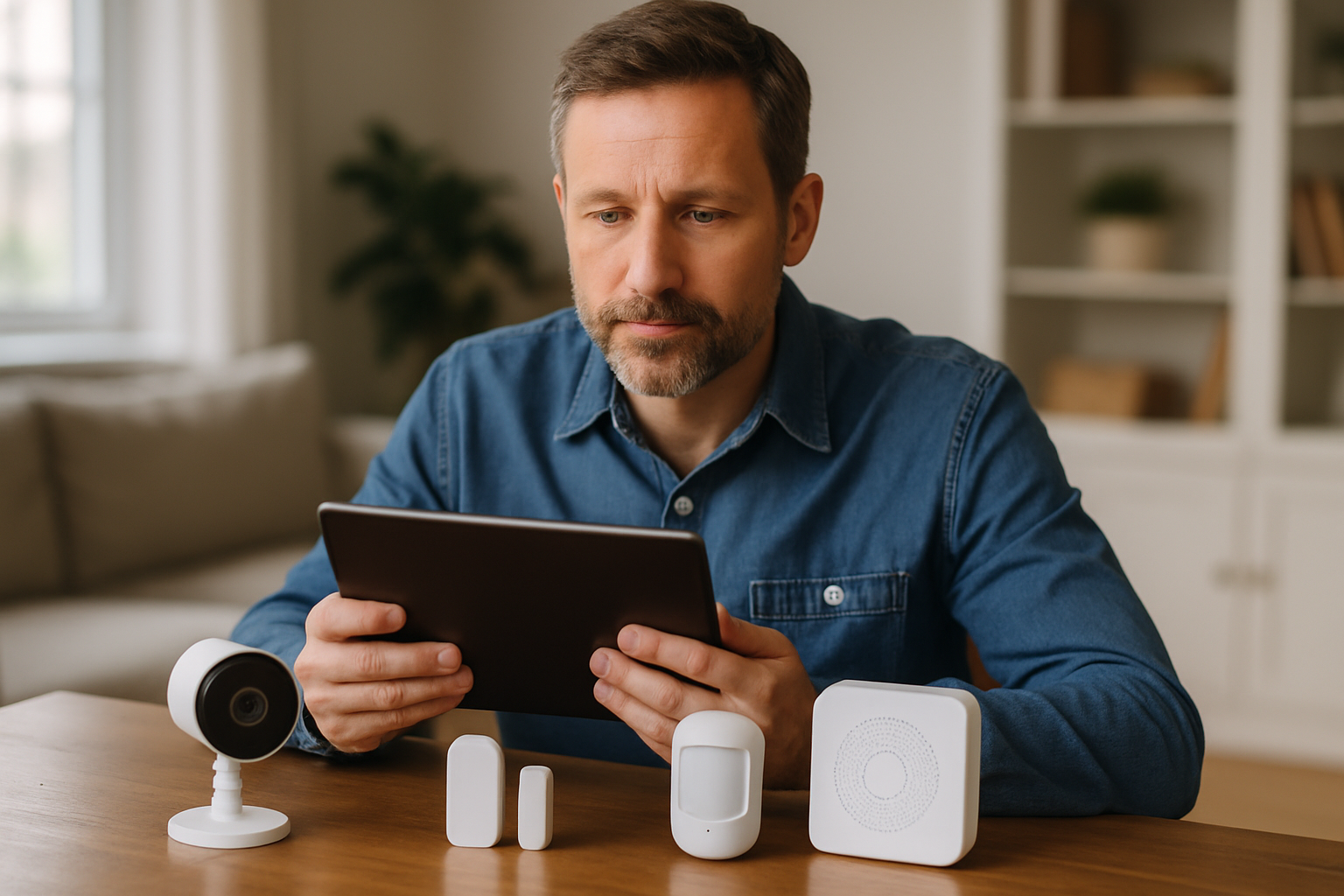
A comprehensive home security system generally includes several key components: sensors, cameras, alarms, and control panels. Sensors can detect movement or breaches, cameras provide surveillance footage, alarms alert occupants and authorities, and control panels serve as the system’s command center. Understanding these elements helps in evaluating the effectiveness of different systems.
Types of Home Security Systems
Home security systems can be categorized into wired and wireless systems. Wired systems are typically more reliable but require professional installation. Wireless systems offer flexibility and ease of installation but may be subject to interference. Additionally, there are monitored systems that connect to a security service and unmonitored systems that rely on local alarms and personal vigilance.
Key Points:
- Home security systems combine various elements for comprehensive protection.
- Understanding the differences between wired and wireless systems is essential.
Assessing Your Security Needs
Determining what is the best home security system involves assessing your specific security needs. Consider factors such as the size of your home, your neighborhood’s crime rate, and the presence of valuables. A thorough needs assessment allows you to tailor a system that provides adequate protection without unnecessary features or costs. Additionally, evaluating your lifestyle and daily routines can help identify vulnerabilities that need addressing.
Evaluating Crime Rates in Your Area
Researching local crime statistics can provide insights into the types of threats you might face. Higher crime rates may necessitate a more robust security system. Local police departments often publish crime data that can help you assess your neighborhood’s safety and inform your decision on the level of security required.
Identifying Vulnerable Areas in Your Home
Conduct a walkthrough of your home to identify vulnerable points, such as windows, doors, and garages. Areas with poor lighting or visibility can be easy targets for intruders. By pinpointing these weak spots, you can prioritize security measures that effectively address these vulnerabilities.
Key Points:
- Assess local crime statistics to inform your security system choice.
- Identify vulnerable areas in your home to prioritize security upgrades.
Understanding Home Security Systems
Home security systems are designed to protect your property from intrusions, theft, and vandalism. They typically consist of various components such as alarms, cameras, and sensors that monitor activity around your home. An understanding of these systems will help you determine what is the best home security system for your needs. Assessing factors like your property size, neighborhood risk, and personal preferences is crucial in making an informed decision.
Types of Home Security Systems
There are several types of home security systems available, including monitored, unmonitored, and smart systems. Monitored systems involve professional monitoring through a central station, while unmonitored systems alert you directly. Smart systems integrate with home automation, allowing remote access and control via smartphones, enhancing convenience and responsiveness.
Key Components of a Security System
Essential components of home security systems include alarms, motion detectors, door/window sensors, and surveillance cameras. Alarms alert homeowners of breaches, while motion detectors track movement. Door/window sensors notify you if an entry point is compromised. Surveillance cameras provide visual monitoring, adding another layer of security.
Key Points:
- Evaluate your property and neighborhood risks.
- Understand the types and components of security systems.
💡 Choose a system that fits your lifestyle and security needs.
💡 Consider the integration of smart home technology for added convenience.
Evaluating and Choosing the Right System
When deciding what is the best home security system for your needs, it’s essential to evaluate various factors. This includes understanding your home’s layout, your budget, and the level of security required. Additionally, consider the scalability of the system; as your needs change, your security system should adapt accordingly. Researching customer reviews and consulting with professionals can also provide insights into system efficacy.
Budget Considerations
Cost is a significant factor when selecting a home security system. Consider both upfront costs, such as equipment and installation, and ongoing costs, like monitoring fees. It’s vital to find a balance between affordability and the level of security you desire. Sometimes investing slightly more can yield better features and service.
Scalability and Flexibility
Choosing a scalable security system allows you to expand or modify your setup as your needs evolve. For example, if you add an extension to your home, you should be able to integrate additional cameras or sensors without needing a complete system overhaul. This flexibility can save money and time in the long run.
Key Points:
- Evaluate both upfront and ongoing costs.
- Prioritize scalability for future needs.
💡 Assess your budget comprehensively before making a decision.
💡 Look for systems that offer flexible upgrade options.
EXPERT TIPS Pro Advice
Conduct a security audit of your home.
Assess weak points in your home’s security to inform your system choice. This helps in identifying exactly what features you need.
Involve the family in security planning.
Ensuring everyone knows how to use the security system promotes effective use and enhances overall safety.
Stay informed about local crime trends.
Understanding crime rates in your area can help tailor your security system to address specific threats.
Regularly maintain your security system.
Routine checks and updates ensure your system functions properly, providing peace of mind and reliability.
Educate yourself on system features.
Understanding the full capabilities of your security system maximizes its effectiveness and ensures you’re using it to its full potential.
Frequently Asked Questions
Conclusion
Choosing the best home security system involves careful consideration of various factors including budget, property size, and specific needs. Understanding your options, such as DIY versus professional monitoring, helps tailor a system that ensures safety and peace of mind.
🎯 Key Takeaways:
- Identify your specific security needs
- Consider both DIY and professional options
- Regularly review and update your system
- Factor in local crime rates and environmental risks
Expert Advice: Stay informed about the latest security technologies and trends to enhance your home’s safety. Regular assessments can further ensure your system remains effective and reliable.
Take the time to research and compare home security systems that suit your lifestyle and needs for better protection.
Leave a Reply