
Do It Yourself Home Security Systems: A Complete Guide
Are you concerned about the safety of your home but hesitant to invest in expensive security systems? According to recent studies, nearly 60% of burglaries occur in residential properties, making effective home security essential. In this guide, we will explore do it yourself home security systems that empower you to take control of your safety without breaking the bank. With over 15 years of experience in home safety strategies, we’ll walk you through everything from basic concepts to advanced techniques. By the end of this article, you’ll understand how to create a robust security setup tailored to your needs, ensuring peace of mind for you and your family.
Understanding DIY Home Security Systems
Do it yourself home security systems have gained popularity due to their cost-effectiveness and customizable nature. These systems allow homeowners to secure their properties without the need for professional installation or monitoring. DIY systems typically include components like cameras, alarms, motion detectors, and smart home integration. Many homeowners opt for these systems to enhance their personal security while maintaining control over their setup and maintenance. Additionally, with the advancement of technology, many DIY systems now offer user-friendly interfaces and mobile app capabilities, making them accessible for individuals with varying levels of technical expertise.
Benefits of DIY Home Security
The primary advantage of DIY home security systems is their affordability. Homeowners can save on installation fees and monthly monitoring costs. Furthermore, these systems offer flexibility in terms of configuration and expansion. Users can start with a basic setup and gradually add more components as needed. The ability to tailor security measures to specific needs allows for a more personalized approach to home safety, ensuring that each home can be uniquely protected.
Key Components of DIY Systems
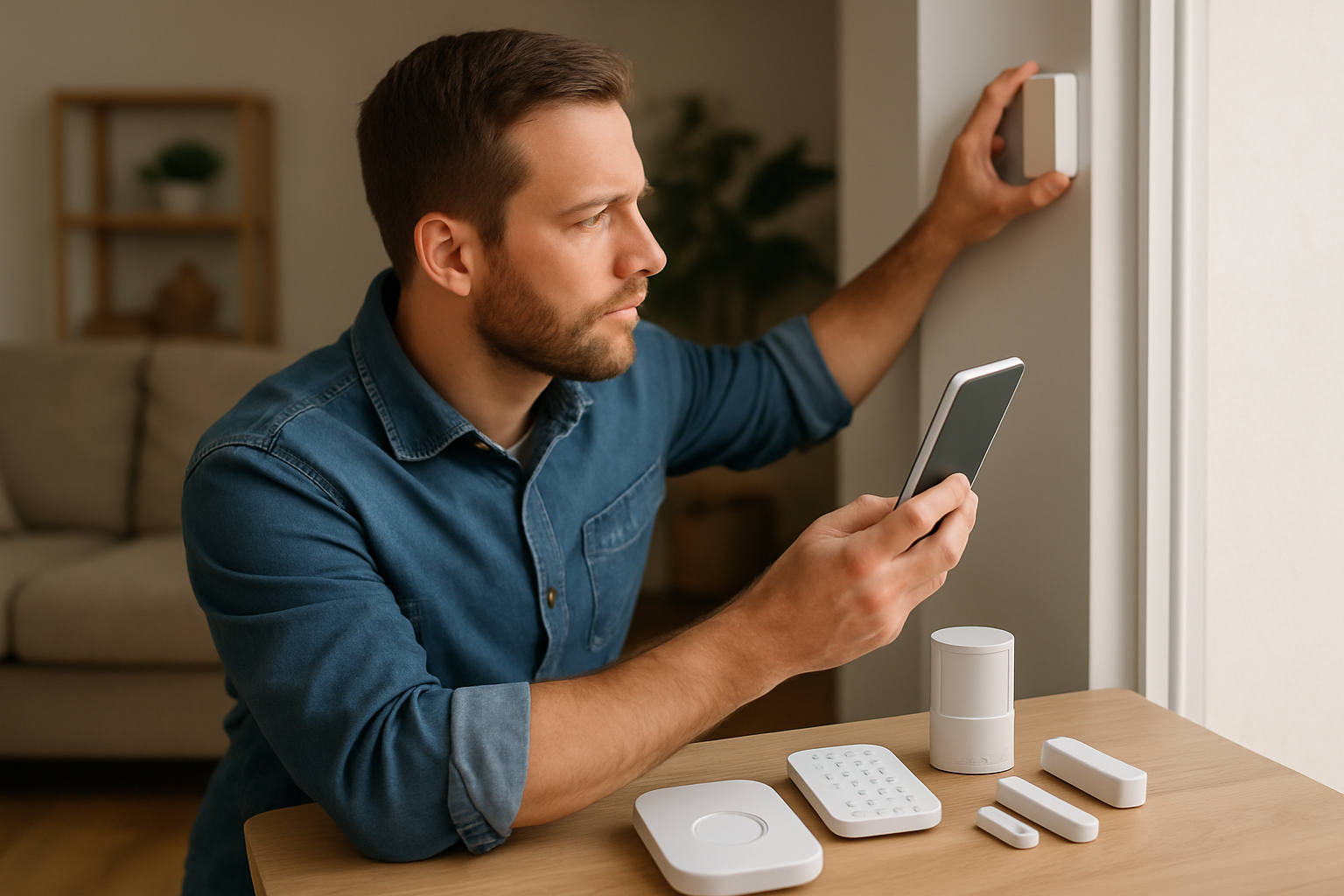
Typical components of a DIY home security system include surveillance cameras, motion sensors, door/window alarms, and smart locks. Surveillance cameras can be positioned strategically around the home to monitor activity. Motion sensors can trigger alarms or notifications when movement is detected. Door and window alarms enhance security by alerting homeowners to unauthorized access. Smart locks provide an additional layer of security, allowing remote access and monitoring through smartphone apps.
Key Points:
- DIY systems are cost-effective and customizable
- Key components include cameras, alarms, and sensors
Getting Started with DIY Home Security
Starting a DIY home security project involves careful planning and consideration of your home’s layout and potential vulnerabilities. Begin by assessing your property to identify key areas that require surveillance or monitoring. This may include entrances, driveways, and blind spots. Once you have a clear understanding of your home’s security needs, you can select appropriate components that address those vulnerabilities and fit within your budget. Many homeowners find it helpful to create a checklist of desired features, such as remote monitoring capabilities, alerts, and camera resolution, to ensure their system meets their specific requirements.
Assessing Your Home’s Security Needs
Conduct a thorough assessment of your property to identify weak points, such as poorly lit areas or easily accessible windows. Consider the crime rate in your neighborhood and your personal comfort level with security. This initial evaluation will guide you in choosing the right components for your DIY system, ensuring that critical areas are adequately monitored.
Choosing the Right Components
When selecting components for your DIY home security system, consider factors such as ease of installation, compatibility with existing smart home devices, and the level of security needed. Research various sensor types and camera features, such as night vision and cloud storage options. Balancing quality and cost is crucial, as higher-quality equipment typically offers better performance and reliability.
Key Points:
- Assess vulnerabilities to determine security needs
- Choose components based on compatibility and performance
Understanding the Basics of DIY Home Security Systems
To create an effective DIY home security system, it’s essential to understand the foundational elements involved. This includes identifying your security needs, assessing vulnerabilities, and selecting appropriate technology. Start by conducting a security audit of your home. Look for entry points such as doors and windows that may require additional protection. Assess the areas most vulnerable to intrusion, including basements and garages, which are often overlooked. Once you have a clear understanding of your needs, you can begin to explore various security technologies, including cameras, alarms, and motion detectors. The goal is to establish a comprehensive system that offers both deterrence and detection capabilities.
Conducting a Home Security Audit
A home security audit involves systematically evaluating your property’s strengths and weaknesses. Walk around your home, noting potential entry points and areas of concern. Consider factors such as lighting, landscaping, and the visibility of your entrances. Document where security measures are currently in place and identify gaps that need to be addressed. This audit will help you create a prioritized list of security upgrades to implement in your DIY system.
Choosing the Right Security Technology
Selecting the right technology is crucial for an effective DIY security system. Start with core components such as motion sensors, door/window sensors, and surveillance cameras. Consider wireless options for easier installation and flexibility. Evaluate features such as night vision, two-way audio, and remote monitoring capabilities. The combination of these technologies can create a multi-layered security approach that meets your specific needs.
Key Points:
- Conduct a thorough home security audit to identify vulnerabilities.
- Select technology that fits your specific security needs and preferences.
💡 Ensure all entry points are well-lit to deter potential intruders.
💡 Incorporate a mix of visible deterrents, like cameras, and discreet sensors.
Implementing and Maintaining Your DIY Home Security System
Once you’ve selected the components of your DIY home security system, the next step is implementation and ongoing maintenance. Start by strategically placing sensors and cameras to cover all entry points and high-risk areas. Ensure that your system is user-friendly, allowing all household members to operate it securely. Regular maintenance is essential for the longevity of your system. This includes routine testing of all devices, updating software, and replacing batteries as needed. Document any changes or upgrades to your system to keep track of its evolution over time.
Strategic Installation of Components
Installation should be based on your home’s unique layout and security needs. Place cameras at angles that cover entry points and ensure they are out of reach of potential tampering. Position motion sensors in hallways and driveways for maximum detection. Use signage to indicate that your property is monitored, as this can act as a deterrent to burglars.
Regular Testing and Maintenance
Establish a schedule for regular testing of your system to ensure all components are functioning correctly. Check camera angles and clarity, test alarm sounds, and verify that sensors are responding as expected. Maintain a checklist for battery replacements and software updates to keep your system up-to-date. A well-maintained system is crucial for effective security.
Key Points:
- Strategically install security components to maximize coverage.
- Regular maintenance is key to ensuring the effectiveness of your security system.
💡 Create a routine for testing your system, ideally on a monthly basis.
💡 Keep a log of all maintenance activities to track the history of your security system.
EXPERT TIPS Pro Advice
Utilize mobile applications for remote monitoring.
Mobile apps allow you to monitor your home security in real-time, providing peace of mind when you’re away.
Involve family members in security planning.
Engaging everyone in the security process ensures that all members understand the system and know how to respond in emergencies.
Consider integrating smart home devices.
Smart devices can enhance your security system by automating tasks and providing additional control over your home environment.
Stay informed about local crime trends.
Understanding crime patterns in your area can help you tailor your security system to better address specific threats.
Regularly update passwords and access codes.
Changing passwords frequently protects against unauthorized access, ensuring the integrity of your security system.
Frequently Asked Questions
Conclusion
Do it yourself home security systems provide an affordable and customizable solution for homeowners looking to enhance their security. With easy installation and remote monitoring capabilities, these systems empower users to take control of their safety. Consider your unique needs and features when selecting a system.
🎯 Key Takeaways:
- DIY home security systems are cost-effective and customizable.
- Installation is generally simple with clear instructions.
- Remote monitoring enhances security and convenience.
- Integration with smart home devices improves functionality.
Expert Advice: Evaluate your home security needs carefully and choose a system that fits your lifestyle. DIY options empower you to take charge of your safety and adapt your security measures as needed.
Explore your options and start planning your DIY home security system today!
Leave a Reply