
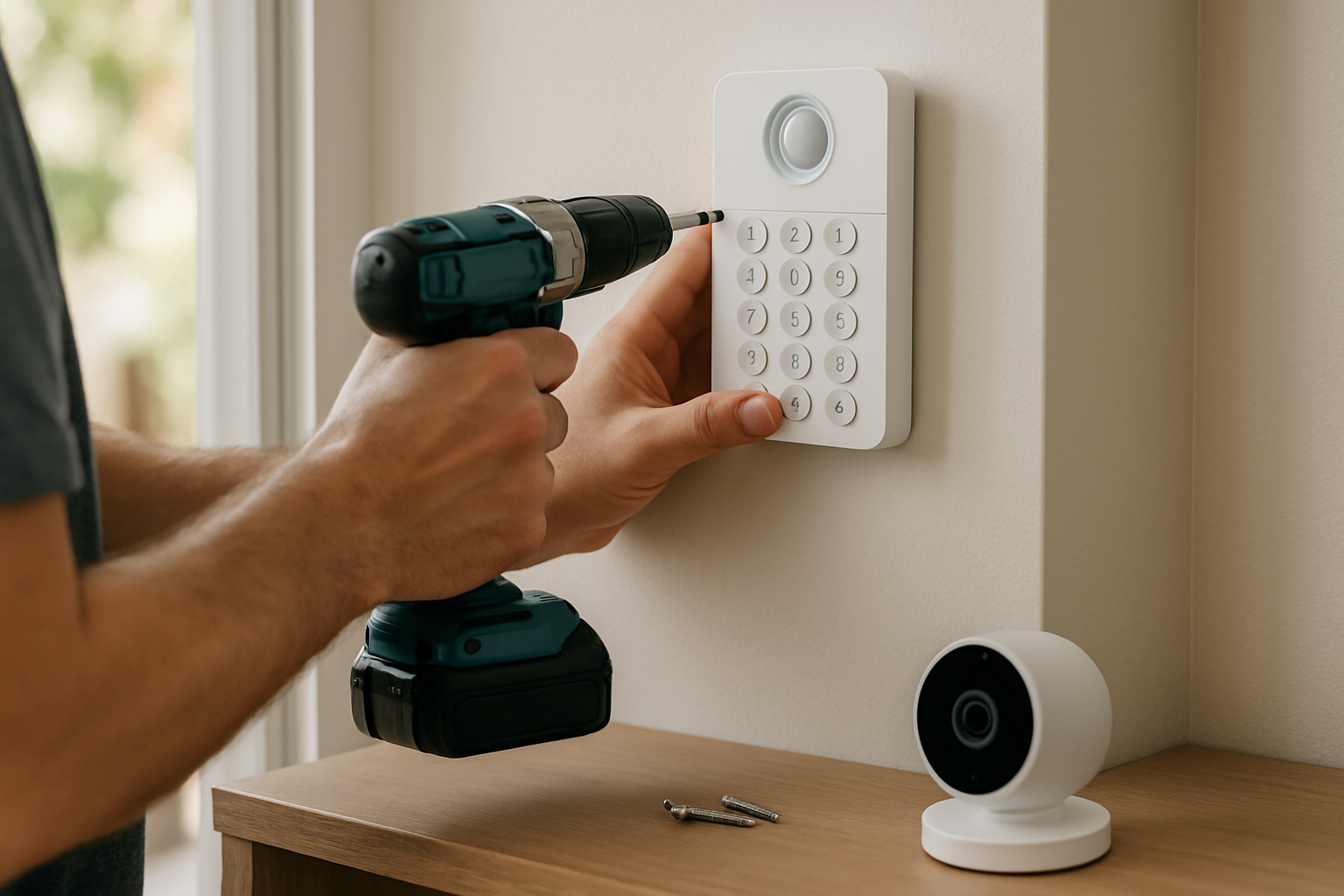
Do It Yourself Home Security: Essential Tips for Safety
Are you concerned about the safety of your home but unsure where to start? A staggering 1 in 36 homes experience a burglary each year, making it crucial to take proactive steps to protect your property. As an expert in home security with over 15 years of experience, I understand the importance of empowering homeowners with the knowledge to create effective security measures themselves. In this comprehensive guide, you will learn the essential strategies for do it yourself home security, including practical tips, common pitfalls to avoid, and advanced techniques to enhance your home’s safety. Get ready to transform your living space into a secure sanctuary without breaking the bank.
Understanding DIY Home Security
Do it yourself home security refers to the practice of implementing security measures for your home without professional intervention. This approach empowers homeowners to customize their security systems based on individual needs and budgets. The DIY method can encompass a wide range of solutions, including physical barriers, technology, and neighborhood watch programs. As crime rates fluctuate, many homeowners are turning to DIY strategies to enhance their peace of mind. By taking a proactive stance, individuals can create a tailored security plan that suits their unique living environment.
Assessing Your Home’s Vulnerabilities
The first step in establishing a DIY home security system is to evaluate your home’s vulnerabilities. Walk around your property to identify weak points such as unlit entrances, easily accessible windows, or unsecured garages. Document these areas and prioritize them based on risk levels. Understanding your home’s specific security needs will help you allocate resources effectively and address the most pressing concerns first.
Setting a Budget for DIY Security
Creating a budget for your DIY home security is crucial. Determine how much you can afford to invest in materials and technology. Consider both one-time purchases, like locks and cameras, and ongoing costs such as monitoring services or alarm subscriptions. A clear budget will guide your choices and ensure you do not overspend while still achieving a secure home environment.
Key Points:
- DIY home security allows for customization and flexibility
- Assessing vulnerabilities is key to effective security planning
Building Your DIY Security Plan
A comprehensive DIY security plan should encompass both physical and technological measures. Physical barriers, such as robust locks, security doors, and fences, can deter intruders. Additionally, integrating technology, such as cameras and alarms, enhances surveillance and response capabilities. This multifaceted approach not only safeguards your property but also reassures family members of their safety. A well-structured plan will help ensure that all potential entry points are secured, and that the system is easy to manage by all household members.
Incorporating Physical Security Measures
Physical security measures are the first line of defense against intruders. Invest in high-quality deadbolts, window locks, and security doors. Ensure that all entry points are secured, and consider installing motion-sensor lights around your property. These measures can deter potential burglars and significantly reduce the likelihood of break-ins.
Utilizing Technology for Enhanced Security
Technology plays a vital role in modern DIY home security. Consider installing security cameras and smart alarms that can be monitored remotely via smartphone apps. These devices can provide real-time alerts and video feeds, giving you the ability to respond quickly to potential threats. Additionally, integrating smart home features, such as automated lighting, can create the illusion of occupancy when you’re away.
Key Points:
- A multifaceted approach enhances home security
- Physical and technological measures work together for effective protection
Assessing Your Home Security Needs
Before implementing a do it yourself home security system, it is crucial to assess your specific needs. Start by evaluating the vulnerabilities of your property, including entry points like doors and windows. Consider the layout of your home, particularly areas less visible from the street or neighboring properties. Understanding your security risks enables you to tailor your DIY solutions effectively, ensuring you focus on the most critical areas. Additionally, take note of any neighborhood crime statistics to better understand potential threats.
Identifying Vulnerable Points
Walk around your home and identify potential weak spots such as poorly lit areas, easy-to-access windows, or doors without sturdy locks. Document these vulnerabilities to prioritize your DIY security measures. This systematic approach ensures that no critical area is overlooked when planning your enhancements.
Analyzing Neighborhood Crime Trends
Research local crime statistics and trends to gauge the level of threat in your area. Websites that provide crime reports can help you understand which types of crimes are most prevalent. This information will aid you in making informed decisions about which security measures to implement.
Key Points:
- Identify and prioritize vulnerabilities in your home.
- Utilize local crime data to inform security enhancements.
💡 Use a home security checklist to systematically evaluate your property’s weak points.
💡 Engage with neighbors to share security insights and collaborate on community safety initiatives.
Implementing Effective DIY Security Measures
Once you’ve assessed your needs, it’s time to implement effective do it yourself home security measures. Start by reinforcing entry points with better locks and security bars. Then, consider using security cameras or motion-sensor lights to deter potential intruders. Additionally, implementing a neighborhood watch program can enhance security through community vigilance. The key to successful DIY security is a layered approach, combining physical barriers with technology and community engagement.
Reinforcing Entry Points
Strengthen doors with deadbolt locks, and consider adding a security bar on sliding doors. For windows, use window locks or security film to make them harder to break. These enhancements collectively create a more formidable barrier against intruders.
Utilizing Technology for Surveillance
Install security cameras at strategic locations around your property. Ensure these cameras have night vision capabilities for 24/7 monitoring. Furthermore, consider using motion-sensor lights to illuminate dark areas and alert you to suspicious activity.
Key Points:
- Combine physical security measures with technology for a robust system.
- Engage your community to foster a safer environment.
💡 Rotate the locations of security cameras regularly to cover different angles.
💡 Create an emergency plan with family members to ensure everyone knows how to react in case of a security breach.
EXPERT TIPS Pro Advice
Conduct regular security audits.
Regularly assess your home’s security measures to identify any weaknesses or necessary upgrades, keeping your system effective over time.
Incorporate smart home technology.
Utilizing smart home devices can enhance your DIY security system by allowing remote monitoring and control, increasing your overall safety.
Use deterrents effectively.
Display signs indicating surveillance and neighborhood watch participation to deter potential intruders before they approach your home.
Frequently Asked Questions
Conclusion
In summary, do it yourself home security offers cost-effective and customizable solutions for homeowners. By carefully planning your security measures and regularly maintaining your system, you can create a robust defense against potential threats. Taking proactive steps ensures safety and peace of mind.
🎯 Key Takeaways:
- DIY home security saves costs and allows customization.
- Regular maintenance is essential for system reliability.
- Strategic placement of security devices enhances effectiveness.
- Avoid common mistakes to maximize security benefits.
Expert Advice: Stay informed about the latest security trends and technologies to continually improve your DIY home security system. Regularly assessing your security needs will help you adapt to changing circumstances and maintain a safe home environment.
Take the first step today by evaluating your home security needs and implementing a DIY plan that fits your lifestyle.
Leave a Reply