
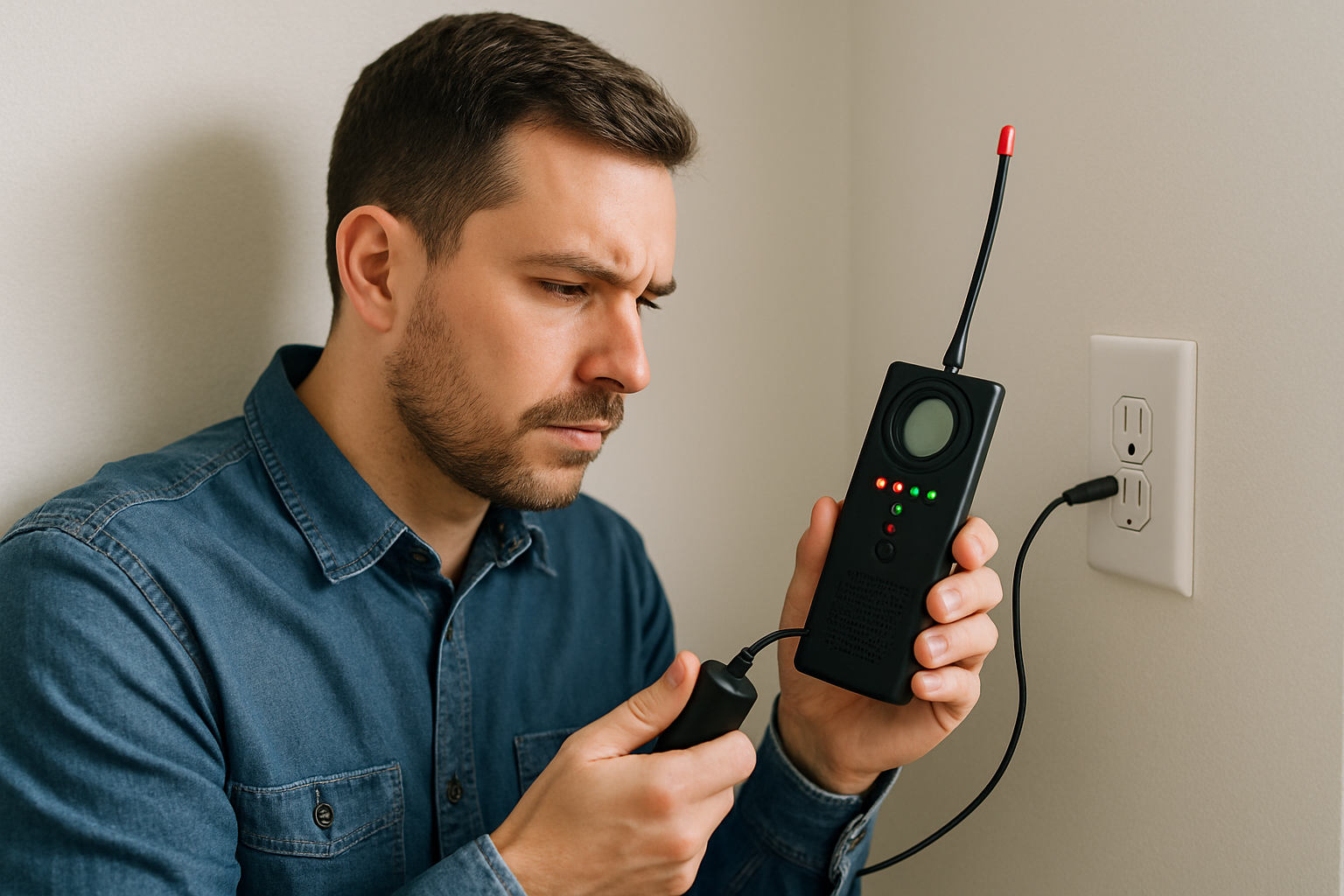
How to Find Electronic Bugs in Your Home: Essential Techniques
Have you ever felt that your privacy is compromised at home? With the rise of electronic surveillance, knowing how to find electronic bugs in your home is crucial for maintaining your security. Electronic bugs can be hidden in everyday items, making them difficult to detect. As a security expert with over 15 years of experience, I will guide you through effective methods to uncover these devices. In this article, you will learn about the various types of electronic bugs, the signs to look for, and practical techniques for detection. Protect your personal space and regain your peace of mind by mastering the art of bug detection.
Understanding Electronic Bugs and Their Implications
Electronic bugs, also known as electronic surveillance devices, are used to monitor conversations and activities without consent. Understanding their implications is crucial for privacy protection. These devices can be hidden in various forms, such as smoke detectors, electrical outlets, or even everyday household items. Their presence can violate privacy rights and create security risks. Recognizing the significance of detecting these devices is the first step in safeguarding your home and personal information.
Types of Electronic Bugs
Electronic bugs come in different types, including audio bugs, video cameras, and GPS trackers. Audio bugs capture conversations, while video cameras can record visual information. GPS trackers are used to monitor movements. Each type has unique characteristics and detection methods, making it important to identify what you’re dealing with to effectively locate them.
Legal Implications of Electronic Surveillance
The use of electronic bugs raises significant legal considerations. In many jurisdictions, unauthorized surveillance is illegal. Understanding the laws surrounding privacy and surveillance can help you establish whether any detected devices are in violation of your rights. Consulting legal resources or professionals can provide clarity on your specific situation.
Key Points:
- Electronic bugs can violate privacy rights
- Understanding types of bugs aids in detection
Initial Steps for Locating Electronic Bugs in Your Home
To find electronic bugs in your home, start with a systematic approach. Begin by identifying areas where privacy is essential, such as bedrooms and offices. Conduct a thorough visual inspection, looking for unusual items or modifications in your environment. Understanding the common hiding places for electronic bugs can streamline your search and enhance your chances of detection.
Conducting a Visual Inspection
Begin your search by performing a meticulous visual inspection of your living spaces. Look for any unfamiliar devices or signs of tampering. Pay close attention to common hiding spots, such as smoke detectors, picture frames, or under furniture. A detailed inspection can reveal potential surveillance devices that are otherwise easy to overlook.
Listening for Unusual Sounds
Electronic bugs often emit subtle sounds or interfere with normal electronic operations. While inspecting, listen for any unusual noises, such as static, buzzing, or clicking. These sounds could indicate the presence of monitoring devices. Use your instincts and remain alert to any anomalies that could suggest surveillance.
Key Points:
- Visual inspections can uncover hidden devices
- Unusual sounds may indicate surveillance equipment
Understanding Electronic Bugs
Electronic bugs, or listening devices, are covert surveillance tools that can invade your privacy. To find them, it’s essential to understand how they operate and where they might be hidden. These devices often transmit audio or video signals and can be disguised as everyday objects. Common locations for these bugs include homes, offices, and vehicles. Knowing their characteristics can help you identify potential threats and take appropriate steps to locate them effectively.
Common Types of Electronic Bugs
Electronic bugs come in various forms, such as wired, wireless, and remote-controlled devices. Wired bugs are typically harder to detect as they require physical access for installation, while wireless devices can transmit data over distances, making them easier to hide. Remote-controlled bugs often use smartphones or tablets for operation, adding another layer of complexity in detection. Understanding these types can guide you in your search.
Signs of Possible Surveillance
Recognizing signs of electronic bugs can be crucial in your detection efforts. Look for unusual behavior in electronic devices, such as unexpected battery drainage or strange noises. Additionally, physical signs like misplaced objects or unexplained wires can indicate the presence of bugs. Be vigilant about changes in your environment, as these may signal an intrusion.
Key Points:
- Know the types of electronic bugs to identify them effectively
- Look for common signs of surveillance in your home
💡 Regularly check your electronic devices for unusual behavior
💡 Stay aware of your surroundings and changes in your environment
Detection Methods for Electronic Bugs
Once you suspect the presence of electronic bugs, various detection methods can be employed. These techniques range from the use of specialized equipment to simple visual inspections. A combination of approaches increases your chances of uncovering hidden surveillance devices. Being methodical in your search can save you time and ensure accuracy in detection.
Visual Inspection Techniques
Begin with a thorough visual inspection of your space. Look for unusual items that seem out of place or objects that appear to have been tampered with. Check common hiding spots like smoke detectors, air vents, or behind furniture. Using a flashlight can help reveal hidden lenses or reflective surfaces that may indicate the presence of a bug.
Using RF Detectors
Radio Frequency (RF) detectors are tools designed to pick up signals emitted by electronic bugs. To use an RF detector effectively, start in a quiet environment to minimize interference. Scan the area slowly, paying attention to changes in the detector’s signal strength. This method can help pinpoint the location of any hidden surveillance devices.
Key Points:
- Employ multiple detection methods for effective results
- Visual inspections can reveal hidden bugs that technology might miss
💡 Conduct regular visual inspections of your home
💡 Use RF detectors in quiet environments for better accuracy
EXPERT TIPS Pro Advice
Conduct routine checks of your space
Regular inspections can help you catch bugs early before they compromise your privacy. Make it a habit to examine your environment periodically.
Educate yourself on the latest bug technology
Staying informed about new surveillance technologies can enhance your detection skills, as you’ll know what to look for in terms of size and functionality.
Consider hiring a professional if needed
If you suspect serious surveillance, hiring an expert can provide peace of mind and advanced detection methods beyond DIY techniques.
Frequently Asked Questions
Conclusion
Finding electronic bugs in your home involves awareness, observation, and potentially the use of specialized tools. Regular inspections, understanding signs of intrusion, and considering professional help are essential for maintaining privacy and security.
🎯 Key Takeaways:
- Know the signs of electronic bugs, like strange sounds or battery drain.
- Use tools like RF detectors for effective bug detection.
- Manual searches can be done by inspecting your environment.
- Hiring professionals can enhance detection capabilities.
- Prevention is key: secure your home and personal information.
Expert Advice: Stay vigilant about your privacy. Regularly assess your surroundings, educate yourself on potential threats, and take proactive measures to safeguard your home from electronic bugs.
Begin your privacy protection journey by examining your living space today!
Leave a Reply