
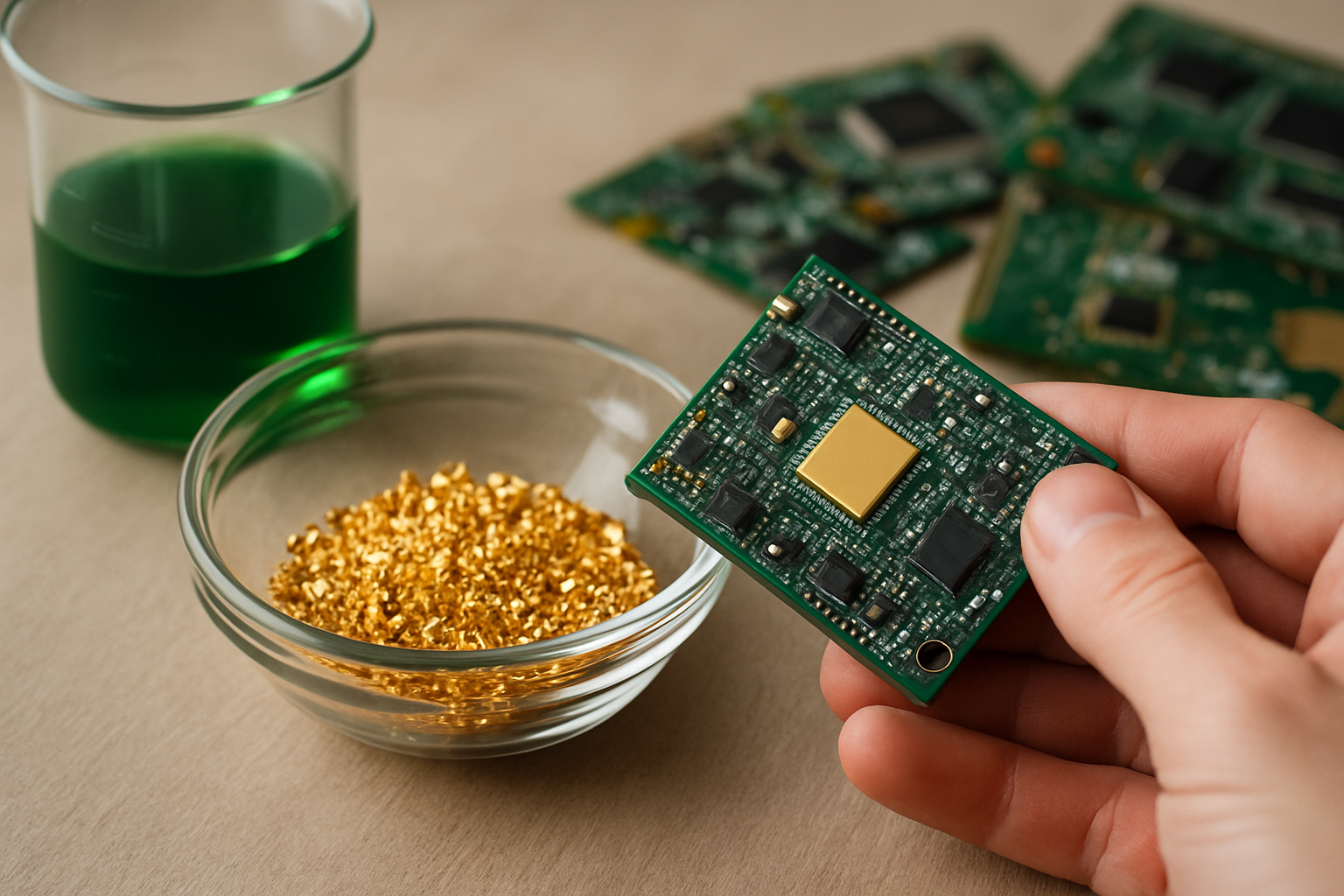
How to Get Gold from Electronics at Home: A Step-by-Step Guide
Have you ever wondered how to get gold from electronics at home? With an increasing amount of electronic waste generated each year, many are seeking ways to recover valuable metals like gold from discarded devices. In fact, some estimates suggest that the gold content in e-waste can be up to 50 times richer than that found in mined ore. As an experienced expert in electronic recycling and precious metal recovery, I will guide you through the safe and effective methods to extract gold from old electronics. In this article, you will learn about the essential tools, step-by-step processes, and safety precautions to ensure a successful recovery. Let’s dive into the fascinating world of gold extraction from e-waste!
Understanding Gold Recovery from Electronics
Gold recovery from electronics, also known as e-waste recycling, involves extracting gold from discarded electronic devices. This process is essential as it not only helps in recovering precious metals but also reduces environmental pollution caused by e-waste. Electronics like circuit boards, connectors, and CPUs contain gold due to its excellent conductivity and resistance to corrosion. However, the recovery process can be hazardous and requires safety precautions. Before starting, it’s crucial to understand the types of devices that contain gold and the methods used for extraction.
Common Electronics Containing Gold
Many electronic devices are rich in gold, including old computers, mobile phones, and televisions. Circuit boards, SIM cards, and connectors are particularly valuable. Recognizing these components can help prioritize which devices to disassemble for gold recovery. It’s important to note that the quantity of gold in each device can vary significantly, so assessing the potential yield is key.
Basic Extraction Methods
There are several methods for extracting gold from electronics, ranging from simple to complex. Common methods include mechanical separation, chemical leaching, and electrolysis. Mechanical separation involves physically dismantling devices to access gold components. In contrast, chemical leaching uses solvents like cyanide or acids to dissolve gold, which can be more efficient but also presents safety and environmental risks.
Key Points:
- E-waste contains valuable metals, including gold.
- Understanding extraction methods is crucial for safe recovery.
Safety Measures and Environmental Considerations
Gold recovery can pose health risks due to exposure to hazardous materials found in electronic devices. It is vital to take appropriate safety measures, such as using gloves, goggles, and masks when handling electronics and chemicals. Additionally, consider the environmental impact of your recovery methods. Proper disposal of non-recyclable components and used chemicals is essential to minimize harm to the environment. Implementing safe practices during gold extraction not only protects personal health but also ensures compliance with environmental regulations.
Personal Safety Equipment
Wearing personal protective equipment (PPE) is crucial when extracting gold from electronics. This includes gloves to prevent skin contact with harmful substances, goggles to protect the eyes from splashes, and respirators to avoid inhaling toxic fumes. Ensuring proper ventilation in your workspace is also important to reduce exposure to harmful chemicals.
Responsible Disposal of E-Waste
After extracting gold, it’s important to responsibly dispose of leftover electronic waste and chemicals. Many communities have e-waste recycling programs that ensure safe handling and processing of hazardous materials. Research local regulations regarding e-waste disposal to ensure compliance and minimize environmental impact. Recycling components not only helps in protecting the environment but can also contribute to recovering additional materials.
Key Points:
- Using PPE minimizes health risks during extraction.
- Responsible disposal protects the environment and complies with regulations.
Understanding the Basics of Gold Recovery
Gold recovery from electronics involves extracting precious metals from discarded devices. Common sources include old computers, smartphones, and circuit boards, which contain small amounts of gold in connectors and chips. Before starting, ensure you have a safe workspace and proper safety gear, as some chemicals used in the process can be hazardous. Knowledge of the electronics and the specific components that contain gold is essential to maximize recovery. The recovery process usually involves mechanical separation, chemical extraction, and refining.
Identifying Electronic Waste
Not all electronic waste contains gold. Focus on devices like motherboards, mobile phones, and older electronics. Look for gold-plated connectors, pins, and circuit boards, as these are the primary sources of recoverable gold. Research the specific models of electronics that typically yield higher gold content to prioritize your efforts effectively.
Safety Precautions
Safety is paramount when extracting gold from electronics. Always work in a well-ventilated area and wear protective gloves, goggles, and masks to avoid inhaling harmful fumes or skin contact with chemicals. Dispose of waste materials responsibly and follow local regulations for hazardous waste management to minimize environmental impact.
Key Points:
- Gold recovery can be profitable if done safely and correctly.
- Identifying valuable components is crucial for maximizing yield.
💡 Research the gold content of different electronics before starting your project.
💡 Always prioritize safety by using appropriate protective gear.
💡 Keep a well-ventilated workspace to prevent inhalation of harmful fumes.
Methods for Extracting Gold from Electronics
There are several methods to extract gold from electronics, each with its pros and cons. The most common methods include mechanical separation, chemical extraction (using acids or other solvents), and electrolysis. Mechanical separation involves physically dismantling devices to access gold components. Chemical extraction often uses cyanide or nitric acid, but these methods require careful handling due to their toxicity. Electrolysis is a safer alternative that uses electrical currents to separate metals but may be less efficient for small-scale operations.
Mechanical Separation Techniques
Mechanical separation involves manually dismantling devices to extract valuable components. Use tools like screwdrivers, pliers, and wire cutters to carefully disassemble electronics. Focus on harvesting circuit boards and connectors, which often contain gold plating. This method is less hazardous but can be labor-intensive, requiring patience and attention to detail.
Chemical Extraction Methods
Chemical extraction methods typically involve using strong acids or cyanide solutions to dissolve metals. While effective, these methods pose significant health risks. If opting for chemical extraction, ensure you are familiar with proper handling and disposal techniques. Always neutralize chemicals after use, and never pour them down the drain to avoid environmental contamination.
Key Points:
- Mechanical methods are safer but require more effort.
- Chemical extraction can yield higher amounts but comes with significant risks.
💡 Consider starting with mechanical separation for safety before moving on to chemicals.
💡 Invest time in learning about chemical properties and safety guidelines.
💡 Document your gold recovery processes to improve efficiency in future attempts.
EXPERT TIPS Pro Advice
Start small and scale up your operations.
Begin with a few devices to understand the process before investing time and resources into larger projects.
Join online communities for shared knowledge.
Connecting with others who extract gold can provide insights, tips, and support that enhance your recovery efforts.
Document your yields and processes.
Keeping track of what works and what doesn’t helps refine your methods for better efficiency and profitability.
Consider the environmental impact of your methods.
Choose methods that minimize harm to the environment, ensuring responsible disposal of chemicals and waste.
Stay updated on local regulations.
Knowing the laws regarding electronic waste and chemical disposal helps you stay compliant and avoid penalties.
Frequently Asked Questions
Conclusion
Recovering gold from electronics at home can be both environmentally beneficial and economically rewarding. While various methods exist, it’s crucial to prioritize safety and understand the processes involved. By dismantling devices and using appropriate techniques, you can successfully extract valuable gold.
🎯 Key Takeaways:
- Electronics like phones and computers contain recoverable gold.
- Chemical processes require safety precautions and expertise.
- Old jewelry can also be a source of gold.
- The amount of gold recovered varies by device.
Expert Advice: Always prioritize safety and proper procedures when attempting gold recovery. Educate yourself thoroughly on the methods you choose, and consider starting with small amounts of electronics to build your confidence.
If you’re interested in gold recovery, research further and consider joining forums or groups where you can share experiences and learn from others.
Leave a Reply