
How to Identify Gold in Electronics at Home: A Step-by-Step Guide
Have you ever wondered how to identify gold in electronics at home? With the rise in e-waste, many people are looking to recover valuable metals, including gold, from old devices. Surprisingly, electronics like circuit boards, connectors, and even some wires contain small amounts of gold. As an expert in electronic waste recycling, I will guide you through the process of identifying these precious components safely and effectively. In this article, you will learn about the different types of electronics that may contain gold, the techniques to identify them, and essential safety precautions. Whether you are looking to make some extra cash or simply curious about the potential hidden in your old gadgets, this guide will provide you with the knowledge you need to get started.
Understanding the Value of Gold in Electronics
Gold is used in various electronic components due to its excellent conductivity and resistance to corrosion. Understanding where to find it can help in recycling efforts and potentially yield financial returns. Common devices containing gold include smartphones, computers, and circuit boards. These items have traces of gold in connectors, wiring, and microchips, making them valuable for recovery. However, the extraction process requires caution due to the presence of hazardous materials in electronics.
Common Electronics Containing Gold
Many electronic devices have gold-plated components. Key items include old smartphones, tablets, desktop computers, and laptops. In addition, connectors, circuit boards, and even some audio and video equipment may contain gold. Identifying these components is crucial for effective recovery efforts.
Why Gold is Used in Electronics
Gold is preferred in electronics for its high conductivity, resistance to oxidation, and reliability over time. Unlike other metals, gold does not tarnish or corrode, ensuring long-lasting connections in electronic circuits. This makes it an ideal choice for critical components in high-performance devices.
Key Points:
- Gold is found in various electronic devices.
- Understanding the role of gold helps in identifying valuable components.
Methods to Identify Gold in Electronics at Home
Identifying gold in electronics requires a systematic approach. Start by inspecting devices for components known to contain gold. Look for gold-plated connectors, pins, and circuit boards. Visual inspection can often reveal areas where gold is present. For more certainty, you may need to disassemble devices carefully, keeping safety and environmental concerns in mind. Always wear protective gear when handling electronics, as they may contain harmful substances.
Visual Inspection Techniques
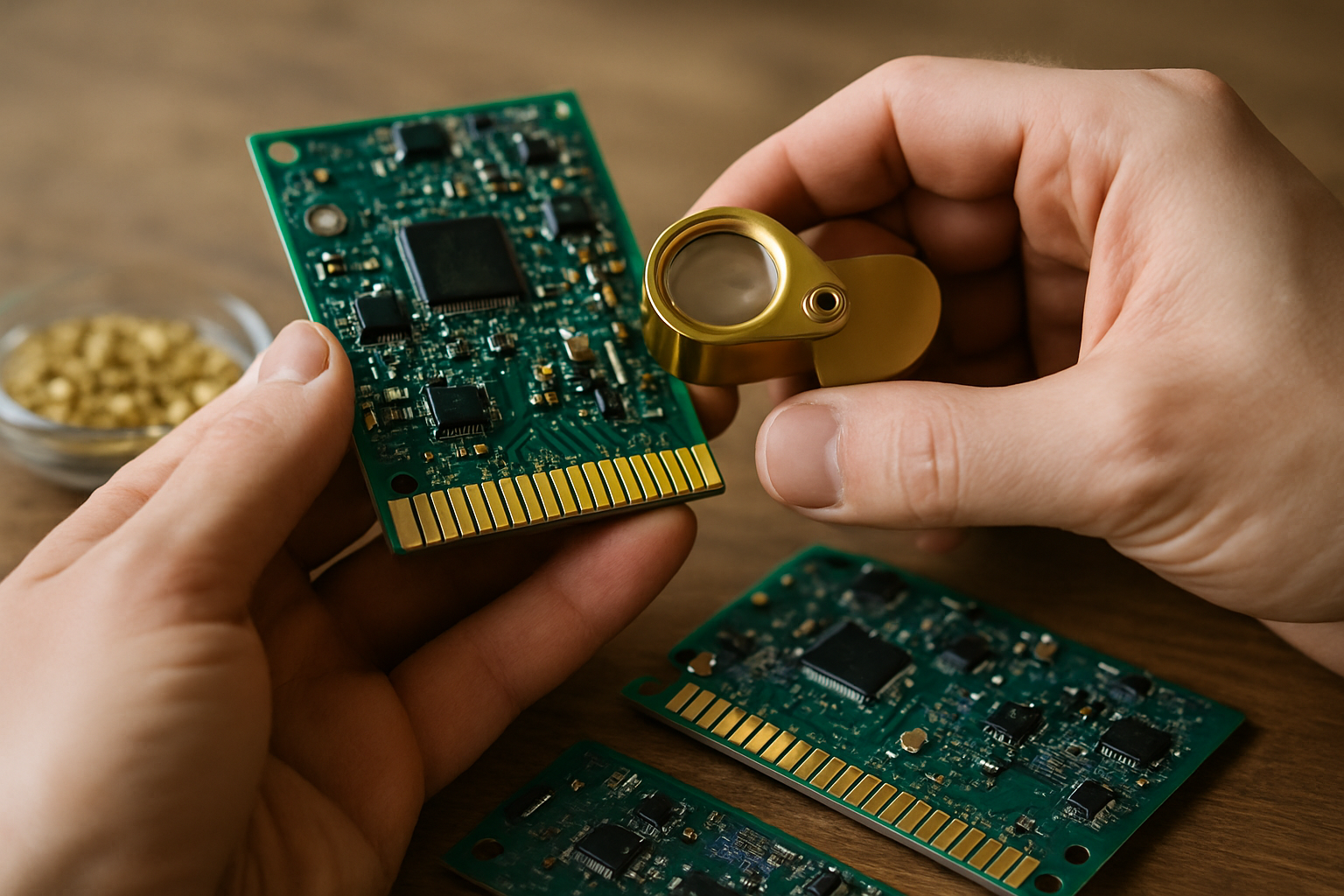
Begin by examining the exterior of your electronics for gold-colored components. Gold-plated connectors are typically shiny and yellowish. Circuit boards may have small gold connectors or traces. Use a magnifying glass for better visibility and take note of any visible gold elements before deciding to disassemble.
Safe Disassembly Practices
When disassembling electronics, ensure you have the right tools and a clean workspace. Disconnect devices from power sources and wear gloves to protect against sharp edges. Carefully remove screws and parts to access the internal components where gold may be located. Label parts to help with reassembly or recycling.
Key Points:
- Inspect for gold components visually before disassembly.
- Use proper tools and safety measures when handling electronics.
Understanding the Components of Electronics
To effectively identify gold in electronics at home, it’s crucial to understand the components where gold is typically found. Common electronic devices like smartphones, computers, and circuit boards contain gold-plated connectors and circuit paths. These components often utilize gold due to its excellent conductivity and resistance to corrosion, making it ideal for connections that require reliability over time. Identifying these components is the first step in the extraction process, allowing you to focus your efforts on areas with the highest yield.
Common Devices Containing Gold
Electronics such as desktop computers, laptops, and older televisions often house circuit boards rich in gold. Key components include CPUs, RAM, and connectors. Focusing on these devices maximizes your chances of finding recoverable gold, as they generally have more gold content compared to newer, more compact devices.
Identifying Gold-Plated Connectors
Gold-plated connectors, often found on circuit boards, are another significant source of gold. Look for shiny, yellowish surfaces on connectors and pins. These areas are typically coated with a thin layer of gold, making them easy to identify visually. Understanding these features helps streamline your extraction process.
💡 Thoroughly research the types of electronics you have at home to prioritize devices with known gold content.
💡 Use a magnifying glass to inspect components closely for gold plating, as it can be subtle.
💡 Always take safety precautions, such as using gloves and goggles, when handling electronic components.
Extraction Methods for Recovering Gold
Once you’ve identified the components containing gold, the next step is to consider extraction methods. While there are several techniques ranging from chemical to mechanical methods, it’s essential to choose a safe and effective approach. Mechanical methods, such as scraping or sanding off gold-plated areas, are often safer for home use, while chemical methods can be hazardous and require strict safety measures. Understanding your options allows you to extract gold efficiently while minimizing risks.
Mechanical Extraction Techniques
One of the simplest ways to extract gold is by mechanical means. This involves carefully scraping or sanding gold-plated connectors to remove the gold layer. Use a fine-grade sandpaper or a small file to avoid damaging the underlying components, ensuring that you collect as much gold as possible without sacrificing the integrity of the device.
Chemical Extraction Overview
Chemical extraction methods, while effective, involve the use of hazardous substances like nitric acid, which can be dangerous if not handled properly. This method typically requires a controlled environment and specific safety gear. If you choose to explore this route, thorough research and adherence to safety guidelines are paramount to avoid injury or environmental harm.
💡 Start with mechanical extraction methods for safety and simplicity, especially if you’re new to this.
💡 Properly ventilate your workspace if using any chemicals, and always wear protective gear.
💡 Document your extraction process to learn from your experiences and refine your methods.
EXPERT TIPS Pro Advice
Know the Market Value of Gold
Understanding the current market value of gold helps you gauge whether it’s worth your time and effort to extract gold from electronics.
Prioritize Older Electronics
Older electronics often contain more gold than newer models, making them more valuable for extraction efforts.
Be Patient and Methodical
Take your time to carefully identify and extract gold to maximize your yield and minimize waste.
Consider Environmental Impact
Always consider the environmental impact of your extraction methods, particularly with chemical processes. Dispose of waste responsibly.
Frequently Asked Questions
Conclusion
Identifying gold in electronics at home involves knowing where to look, using the right tools, and understanding the risks involved in extraction. While it’s possible to recover gold, consider recycling as a safer alternative. Always prioritize safety and follow best practices.
🎯 Key Takeaways:
- Gold is found in various electronics like computers and phones.
- Safe disassembly and protective gear are crucial.
- Gold’s conductivity makes it valuable in electronics.
- Recycling is often safer than home extraction.
- Tools like multimeters and magnifying glasses aid identification.
Expert Advice: Always prioritize safety and educate yourself about the processes involved in identifying and extracting gold. Consider the environmental impact of your actions and explore recycling as a responsible option.
Start by gathering old electronics and researching safe recycling options in your area.
Leave a Reply