
How to Protect Home Electronics from Lightning: Expert Insights
Did you know that lightning strikes can cause significant damage to your home electronics? Each year, thousands of devices are affected, resulting in costly repairs and replacements. Understanding how to protect home electronics from lightning is essential for any homeowner looking to safeguard their investment. With over 15 years of experience in home safety and electronics, I will guide you through proven strategies and best practices to mitigate the risks associated with lightning strikes. In this article, you’ll learn about effective protection methods, key precautions to take, and essential tools that can help you ensure the safety of your devices during stormy weather.
Understanding the Risks of Lightning Strikes
Lightning poses a significant threat to home electronics, as a direct strike can lead to devastating damage. The high voltage of a lightning strike can result in power surges that not only damage appliances but also create fire hazards. Understanding how lightning interacts with electrical systems is crucial for homeowners. When lightning strikes a building, it can travel through electrical wiring, coaxial cables, and even plumbing systems, causing widespread damage. This means that just being indoors does not guarantee safety for your electronics. Knowing the potential risks allows homeowners to take preventative measures, creating a safer environment for their valuable devices.
How Lightning Strikes Affect Electronics
When lightning strikes, it can produce a power surge that travels through electrical circuits, damaging any connected devices. This surge can occur even if the strike is miles away, as the electrical energy can travel through power lines and ground. Understanding this phenomenon is crucial for homeowners looking to safeguard their electronics. The intensity of the surge can vary, leading to anything from minor disruptions to complete failures of equipment.
Identifying Vulnerable Electronics
Certain electronics are more susceptible to damage from lightning strikes, including computers, televisions, and home theater systems. These devices often have complex circuitry that can be easily compromised by power surges. Additionally, any devices connected to external cables, such as satellite dishes or phone lines, are at a higher risk. By identifying which electronics are most vulnerable, homeowners can prioritize protective measures.
Key Points:
- Lightning can cause severe damage to home electronics.
- Power surges can occur even from distant strikes.
Preventative Measures to Protect Electronics
To mitigate the risks associated with lightning strikes, homeowners can implement several preventative measures. These strategies range from simple actions to more advanced installations that can help secure your electronics. One key approach is to install whole-house surge protectors, which act as a first line of defense against surges caused by lightning. Additionally, unplugging devices during storms is a straightforward yet effective method to prevent damage. Understanding how to adapt your home to these risks is essential for protecting your valuable electronics.
Surge Protectors and Their Importance
Surge protectors are essential devices that help prevent power surges from damaging electronics. They work by redirecting excess voltage away from connected devices. Homeowners should ensure that their surge protectors can handle the voltage levels associated with lightning strikes. Installing a whole-house surge protector can provide comprehensive protection for all appliances and devices in the home, reducing the risk of damage significantly.
Unplugging Devices During Storms
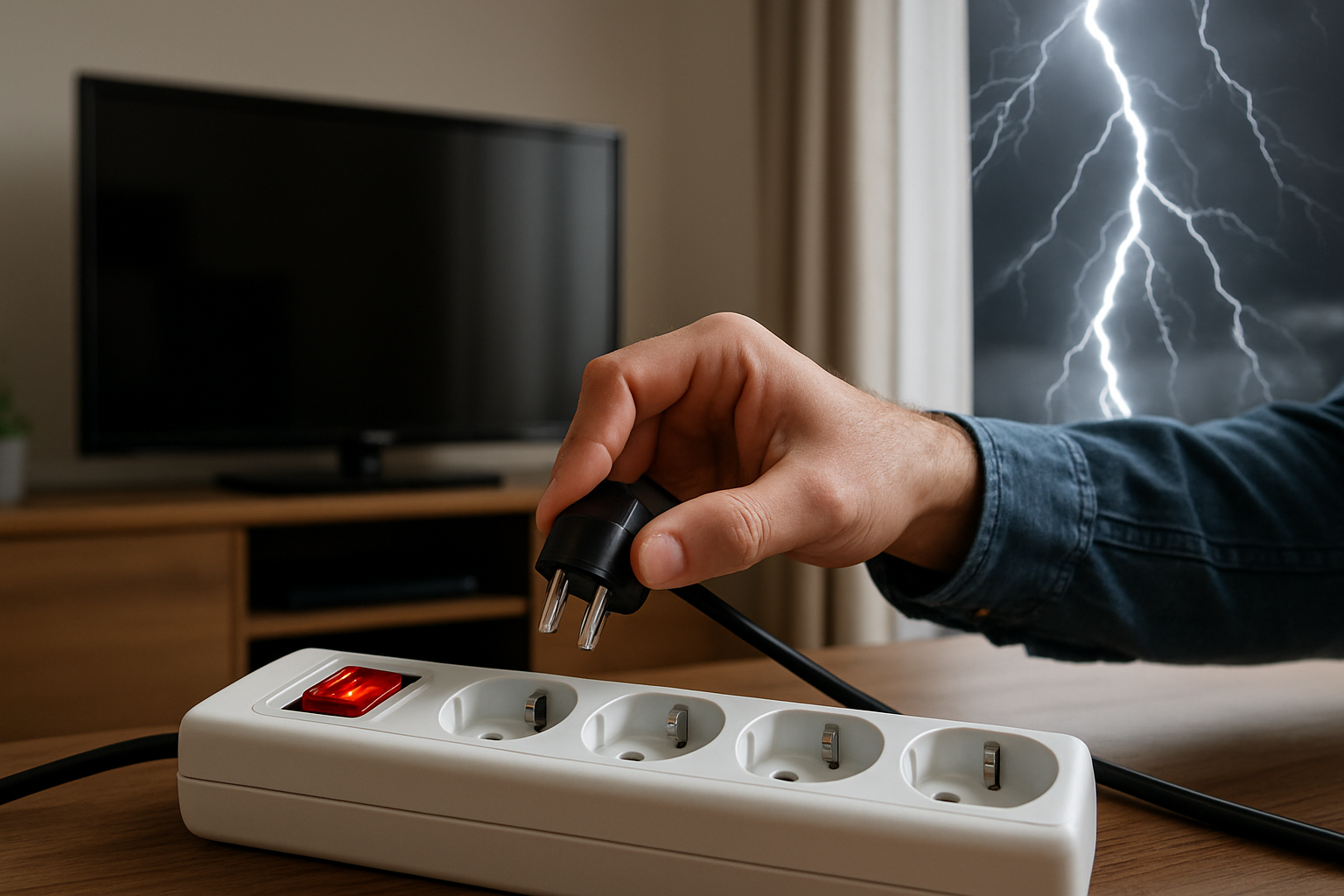
One of the simplest and most effective ways to protect electronics from lightning is to unplug them during thunderstorms. This action eliminates the connection through which a surge can travel, effectively safeguarding your devices. Homeowners should develop a habit of monitoring weather forecasts and being proactive about unplugging sensitive electronics whenever severe weather is predicted.
Key Points:
- Installing a whole-house surge protector offers extensive protection.
- Unplugging devices during storms is a simple yet effective strategy.
Understanding Lightning and Its Effects on Electronics
Lightning poses a significant threat to home electronics due to its high voltage and unpredictable nature. When lightning strikes, it can cause power surges that may damage or destroy electrical devices. Understanding the mechanics of lightning and its effects on electrical systems is crucial for homeowners. A direct strike can send a massive surge through wiring, while nearby strikes can induce currents that also pose risks. Taking proactive measures can mitigate these dangers and protect valuable electronics.
How Lightning Travels
Lightning can travel through the air and ground, reaching buildings and electrical systems. It can strike directly or cause a surge through nearby power lines. Understanding this can help homeowners better prepare their homes against potential strikes and the associated electrical damage.
Potential Damage to Electronics
The damage from a lightning strike can range from minor disruptions to complete destruction of electronic devices. Power surges can result in loss of data, equipment malfunction, or even fire hazards. Knowing these risks emphasizes the need for protective measures.
Key Points:
- Lightning can cause severe damage to home electronics.
- Understanding lightning’s behavior is crucial for effective protection.
💡 Install surge protectors in your home to safeguard against voltage spikes caused by lightning strikes.
💡 Ensure your electrical system is grounded properly; this helps dissipate excess voltage safely into the ground.
Effective Strategies for Protecting Electronics
Implementing effective strategies is vital for protecting home electronics from lightning. These strategies include physical barriers and advanced surge protection systems. Homeowners should assess their current setups and consider improvements. Regular maintenance and updates to these systems ensure ongoing protection against potential lightning strikes.
Use of Surge Protectors
Surge protectors are essential for safeguarding electronics. They divert excess voltage away from devices during a surge, minimizing damage risk. Ensure these protectors are rated for the specific devices you want to protect, and replace them periodically to maintain effectiveness.
Installing Whole-House Surge Protection
A whole-house surge protection system can be installed at the electrical panel to protect all devices in the home. This system provides a critical first line of defense against voltage spikes from lightning, ensuring comprehensive safety for your electronics.
Key Points:
- Surge protectors and whole-house systems are key to protecting electronics.
- Regular maintenance of protection systems is essential for ongoing safety.
💡 Regularly inspect and maintain surge protectors to ensure they are functioning properly.
💡 Consider disconnecting electronics during severe storms to eliminate the risk of damage.
EXPERT TIPS Pro Advice
Understand your local lightning patterns
Knowing how frequently thunderstorms occur in your area can help you prepare your home better, ensuring that you take protective measures during peak seasons.
Educate family members about lightning safety
Ensure everyone in your household knows how to react during a storm, including disconnecting devices and avoiding using wired electronics, to minimize risks.
Consult a professional electrician
A professional can assess your home’s electrical system and recommend upgrades or installations that enhance your protection against lightning strikes.
Frequently Asked Questions
Conclusion
Protecting your home electronics from lightning is crucial for preventing damage. Key strategies include using surge protectors, unplugging devices during storms, and considering whole-house surge protection. Regularly check your protective devices to ensure they are functioning effectively.
🎯 Key Takeaways:
- Use surge protectors and unplug devices during storms.
- Install whole-house surge protection for comprehensive coverage.
- Regularly check surge protectors for wear and tear.
- Consider proper grounding and lightning rod installation.
Expert Advice: Stay proactive about protecting your electronics by understanding the risks and implementing multiple layers of protection. Regular maintenance and awareness can significantly minimize potential damage.
Take a moment to assess your current lightning protection measures and consider improvements to safeguard your home electronics.
Leave a Reply