
What is Home Confinement and Electronic Monitoring? Explained
Are you curious about what home confinement and electronic monitoring entail? With rising concerns over incarceration rates, many jurisdictions are exploring alternatives to traditional imprisonment. Home confinement allows individuals to serve their sentences within the confines of their homes, often supplemented by electronic monitoring technology to ensure compliance. As a seasoned expert in criminal justice, I will guide you through the fundamental concepts of home confinement, its benefits, and the technologies involved. In this article, you will learn about the different types of monitoring devices, the legal framework surrounding home confinement, and its impact on rehabilitation and recidivism.
Understanding Home Confinement
Home confinement, often referred to as house arrest, is a legal penalty that restricts an individual’s movement to their residence instead of incarceration in a traditional facility. This sentence may be imposed for various offenses, allowing offenders to maintain some level of independence while still serving their time. The goal is to balance punishment with rehabilitation, reducing overcrowding in prisons and facilitating reintegration into society. Home confinement can be used for pre-trial detention, as an alternative to jail, or as a condition of parole.
Legal Framework of Home Confinement
Home confinement is governed by state and federal laws that outline eligibility, duration, and conditions. Typically, courts will consider the nature of the crime, the offender’s criminal history, and their potential risk to society. Offenders may be required to comply with specific rules, such as maintaining employment or attending counseling sessions, which are designed to aid rehabilitation.
Benefits of Home Confinement
One major benefit of home confinement is the reduced burden on the prison system, which can lead to lower costs for taxpayers. Additionally, it allows offenders to maintain familial connections and employment, which are crucial for successful reintegration. Studies show that individuals on home confinement often demonstrate lower recidivism rates compared to those who serve time in prison.
Key Points:
- Home confinement allows for rehabilitation while serving a sentence.
- Legal regulations dictate the conditions and eligibility for home confinement.
Electronic Monitoring Systems
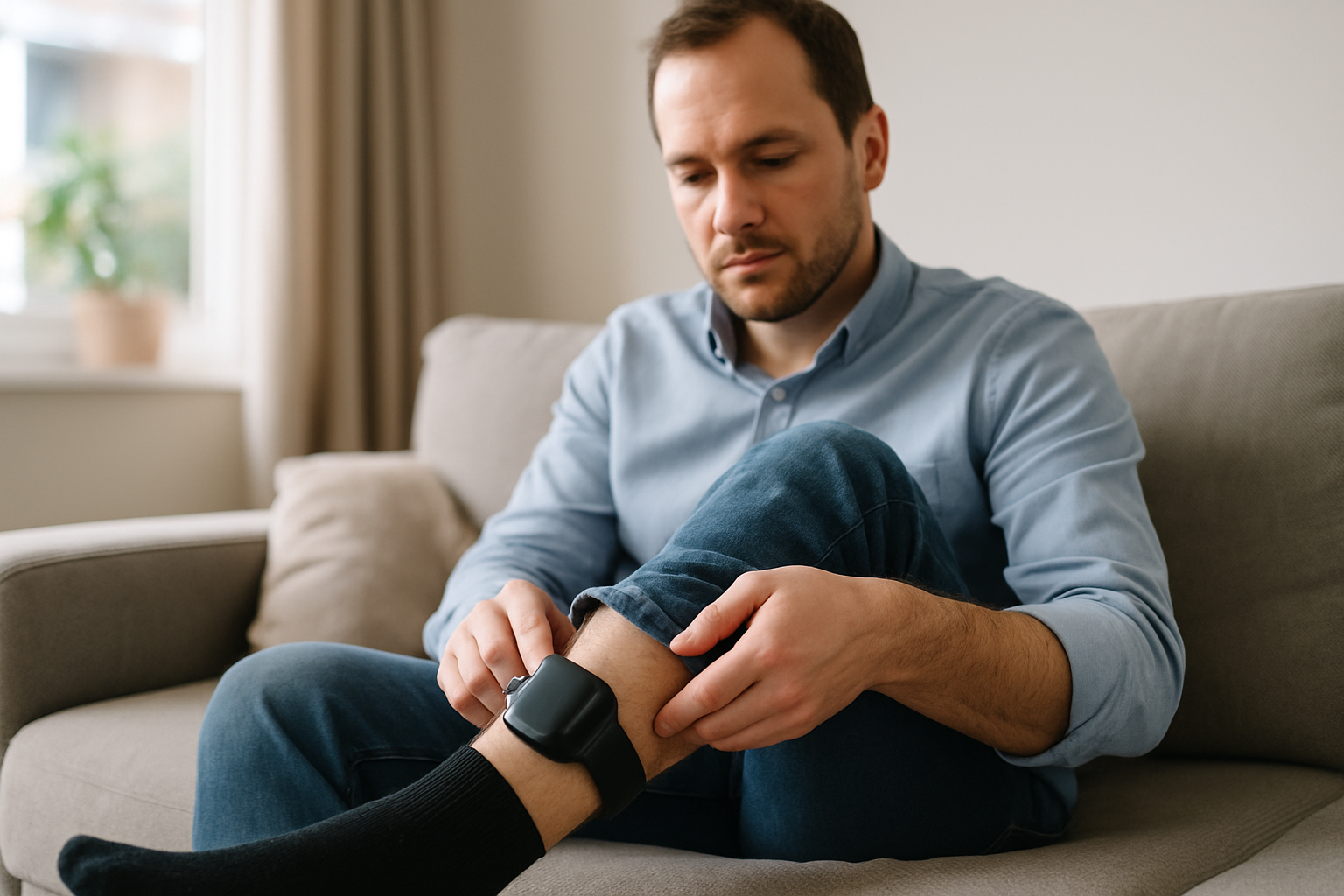
Electronic monitoring (EM) is a crucial component of home confinement, using technology to ensure compliance with the terms of confinement. This system typically involves the use of GPS tracking devices, which can be worn on the ankle or wrist, to monitor the offender’s location and movements. EM serves as a deterrent against potential violations, ensuring that individuals remain within the confines of their home during designated hours.
Types of Electronic Monitoring
There are several types of electronic monitoring systems, including passive and active monitoring. Passive monitoring involves periodic checks, while active systems provide real-time tracking of an individual’s location. Some systems also include alcohol monitoring, which can test for substance use, helping to enforce compliance with court orders.
Effectiveness of Electronic Monitoring
Research indicates that electronic monitoring can effectively reduce recidivism rates and enhance public safety. By allowing offenders to remain in their communities, EM fosters accountability and encourages compliance with rehabilitation programs. Moreover, it provides law enforcement with the tools needed to quickly respond to violations, ensuring that offenders adhere to their confinement terms.
Key Points:
- Electronic monitoring ensures compliance with home confinement rules.
- Different systems offer varying levels of tracking and monitoring capabilities.
Understanding Home Confinement
Home confinement is a legal alternative to incarceration that allows individuals to serve their sentences or await trial in their residences rather than in jail. This system is often utilized for non-violent offenders or those deemed low-risk. The conditions of home confinement can vary significantly, including curfews, restrictions on movement, and the requirement to maintain a stable home environment. The goal is to rehabilitate rather than punish, while still ensuring public safety. Electronic monitoring often accompanies home confinement to enforce these conditions effectively.
Eligibility for Home Confinement
Not everyone is eligible for home confinement; typical criteria include the nature of the offense, criminal history, and risk assessment scores. Courts generally consider factors such as the severity of the crime, the individual’s behavior during pre-trial, and their ties to the community. Those with a history of violent offenses or those considered a flight risk are often excluded from this option.
Conditions and Restrictions
Home confinement often comes with specific conditions that must be adhered to, such as designated curfew hours or restrictions on visitors. Violations of these conditions can lead to further legal consequences, including the possibility of incarceration. Regular check-ins with probation officers or electronic monitoring devices are common to ensure compliance.
Key Points:
- Home confinement is a rehabilitation-focused alternative to incarceration.
- Eligibility is determined by various factors, including offense severity and risk assessment.
💡 Maintain open communication with your probation officer to understand your obligations.
💡 Ensure your home is a stable environment conducive to rehabilitation.
Electronic Monitoring Technology
Electronic monitoring is a crucial component of home confinement, utilizing technology to track the movements and compliance of individuals. This can include GPS devices, ankle bracelets, or home monitoring systems that connect to telephone lines. These devices serve as both a deterrent and a method of ensuring adherence to the terms of confinement. The technology offers law enforcement real-time data about an individual’s location, enhancing community safety while allowing individuals to maintain their daily routines.
Types of Electronic Monitoring Devices
There are primarily two types of electronic monitoring devices: GPS tracking devices and radio frequency monitors. GPS devices provide real-time location tracking and are useful for ensuring that individuals do not stray outside designated areas. Radio frequency monitors, on the other hand, typically create a perimeter around the home and alert authorities if the individual leaves that space.
Data Privacy and Legal Considerations
The use of electronic monitoring raises important questions regarding data privacy and civil liberties. Individuals subject to monitoring should be informed about what data is collected and how it is used. Legal frameworks often dictate the terms of data retention and sharing, ensuring that monitoring is conducted ethically and respecting the rights of those monitored.
Key Points:
- Electronic monitoring enhances compliance and community safety.
- Understanding the types of devices can help individuals navigate their confinement experience.
💡 Understand how your monitoring device works to avoid unintentional violations.
💡 Be aware of your rights regarding data privacy in electronic monitoring.
EXPERT TIPS Pro Advice
Regularly review your confinement terms.
Being fully aware of your restrictions and obligations can prevent violations and provide clarity on your legal standing.
Engage in community support programs.
Participation in community programs can foster positive relationships and provide resources for rehabilitation and adjustment.
Maintain a structured daily routine.
Creating a schedule can help you stay focused and compliant with confinement rules while also supporting personal growth.
Consult with legal counsel if unsure about your rights.
Understanding your legal rights can empower you and provide guidance for navigating the complexities of home confinement.
Frequently Asked Questions
Conclusion
Home confinement and electronic monitoring serve as alternatives to traditional incarceration, offering individuals the chance to rehabilitate while remaining in their communities. Understanding the eligibility criteria, conditions, and benefits is crucial for effective implementation. This approach promotes accountability and reduces prison overcrowding.
🎯 Key Takeaways:
- Home confinement allows serving sentences at home under supervision.
- Electronic monitoring tracks compliance with movement restrictions.
- Eligibility for home confinement depends on offense and behavior.
- Conditions include curfews and regular check-ins.
- Home confinement can reduce costs and support rehabilitation.
Expert Advice: If considering home confinement, explore all legal options and ensure a supportive environment to facilitate compliance and rehabilitation. Involve professionals to navigate the process effectively.
Research further into home confinement and electronic monitoring options to fully understand their implications and benefits.
Leave a Reply