
How to Extract Gold from Electronics at Home Without Chemicals: A Complete Guide
Are you aware that your old electronics could hold hidden treasures? Many people are surprised to learn that valuable gold can be extracted from outdated gadgets without the use of harsh chemicals. This method not only promotes recycling but also allows you to reclaim precious metals while minimizing environmental impact. With over 15 years of experience in sustainable practices and recycling methods, I will guide you through safe and effective techniques to extract gold from electronics at home. In this article, you’ll discover the tools you’ll need, step-by-step methods to retrieve gold, and best practices to ensure a successful extraction. Whether you’re a hobbyist or simply looking to make the most of your electronic waste, this comprehensive guide has you covered.
Understanding Gold Recovery from Electronics
Extracting gold from electronics involves understanding the components that contain this precious metal. Gold is commonly found in circuit boards, connectors, and various electronic components due to its excellent conductivity and resistance to corrosion. This section will introduce the types of electronics that typically contain gold, as well as the methods available for recovery without the use of harsh chemicals. Knowing where to look is critical to successfully reclaiming gold from e-waste, making it essential for aspiring hobbyists and environmentally conscious individuals.
Types of Electronics to Target
Common sources of gold in electronics include old computers, smartphones, and televisions. Circuit boards are often rich in gold plating, particularly in connectors and IC chips. Identifying these items can help you gather a sufficient quantity for extraction, as even small amounts of gold can add up over time.
Methods of Gold Recovery
While chemical methods are popular for gold extraction, physical methods can be equally effective. Techniques such as manual disassembly, grinding, and panning can yield gold without the need for hazardous substances. Understanding these methods can empower you to safely recover gold from your electronic waste.
Key Points:
- Identify electronics with gold components for effective recovery
- Explore physical methods for gold extraction to avoid chemicals
Safety and Environmental Considerations
While extracting gold from electronics can be rewarding, it is crucial to consider safety and environmental impacts. Electronic waste can contain harmful substances that pose risks to both human health and the environment. This section will discuss the importance of proper handling and disposal of e-waste, as well as personal safety precautions to take during the extraction process. Being informed about these aspects not only protects you but also contributes to sustainable practices in e-waste management.
Personal Safety Precautions
When working with electronics, it’s essential to wear protective gear, including gloves and safety goggles. Sharp components can cause injuries, and some materials may emit harmful dust or fumes. Taking these precautions minimizes risks and ensures a safer extraction process.
Disposing of E-Waste Responsibly
Proper disposal of electronic waste is crucial to prevent environmental contamination. Many components can leach harmful substances if disposed of improperly. Research local e-waste recycling programs to ensure that non-gold materials are managed in an eco-friendly manner.
Key Points:
- Prioritize personal safety when extracting gold
- Ensure responsible disposal of electronic waste to protect the environment
Understanding Electronic Components
To effectively extract gold from electronics at home without chemicals, one must first understand the components that contain gold. Common devices such as smartphones, computers, and circuit boards often have gold-plated connectors and wires. These components can be found in various locations, such as the motherboard, RAM, and CPUs. Knowing where to look is crucial for maximizing your recovery efforts. Additionally, it is important to wear protective gear, such as gloves and safety goggles, during this process due to the potential for sharp edges and small parts that could cause injury.
Identifying Gold-Plated Components
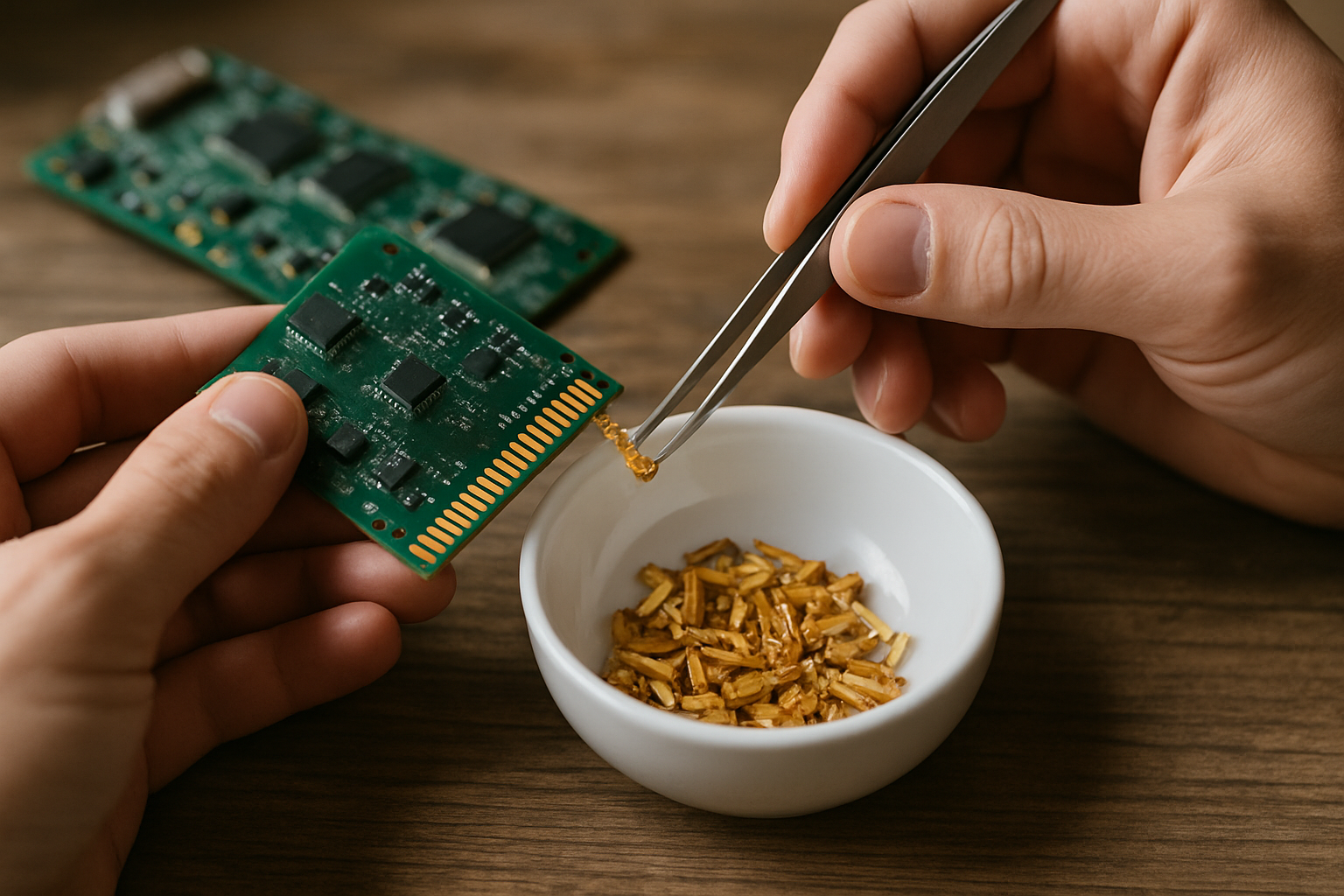
Look for connectors and pins that have a shiny, yellowish hue, which indicates gold plating. Common areas to check include edge connectors on circuit boards, the pins of integrated circuits, and the connectors of RAM sticks. Using a magnifying glass can help you distinguish gold-plated components from other metals that may appear similar. Once identified, carefully desolder or cut these components to collect them for further extraction.
Safety Precautions
Before beginning the extraction, ensure you have a clean workspace and appropriate protective equipment. Wear gloves to protect your hands from sharp parts and goggles to shield your eyes from flying debris. Additionally, consider using a well-ventilated area to avoid inhaling any dust or particles released during the disassembly process. Taking these precautions can help prevent accidents and health risks associated with handling electronic waste.
Key Points:
- Identify components containing gold for efficient extraction.
- Safety is paramount; use protective gear and work in a clean environment.
💡 Organize your workspace to keep track of components, which will streamline your process and reduce the risk of losing valuable pieces.
💡 Use an ESD-safe toolkit to prevent electrostatic discharge, which can damage sensitive electronic components.
💡 Document the disassembly process to help you remember where gold-plated components are located for future extractions.
Mechanical Extraction Techniques
Mechanical methods for extracting gold from electronics involve physical techniques rather than chemicals. This can include methods like manual removal of components, grinding, or physical separation. The goal is to isolate the gold from other materials without introducing harmful substances. Techniques such as using a hammer or a specialized tool to break down circuit boards can help release the gold-plated parts. However, care must be taken to avoid damaging the gold itself during the extraction process.
Disassembly Techniques
Begin by carefully disassembling the electronic device, using appropriate tools to avoid damaging components. Use pliers or a small screwdriver to remove screws and clips. For tightly fitted parts, gently prying them apart can help. Ensure not to apply excessive force, as this may break or bend the gold-plated components, making them harder to collect and process.
Physical Separation Methods
After collecting disassembled parts, you can use mechanical methods to separate gold from non-metal materials. Techniques such as crushing or grinding the circuit boards can free gold plated areas. However, it’s essential to ensure that you do this in a controlled manner, as fine particles can become airborne or lost during handling. Use a sieve to separate larger debris from finer gold particles, which can then be collected efficiently.
Key Points:
- Mechanical extraction techniques focus on physical methods to isolate gold.
- Controlled disassembly and separation are crucial to preserving gold content.
💡 Use a hammer with a gentle touch to avoid damaging gold plating during disassembly.
💡 Invest in a good pair of precision pliers to help with the careful extraction of small components.
💡 Always wear a dust mask while grinding to avoid inhaling any fine particles generated during extraction.
EXPERT TIPS Pro Advice
Master the use of hand tools
Using the right hand tools can make disassembly easier and minimize damage to valuable components. Invest time in learning how to handle these tools effectively.
Practice patience
Rushing the extraction process can lead to mistakes and loss of valuable materials. Take your time to ensure careful disassembly and extraction.
Keep a detailed log of your extractions
Maintaining a log of which devices yielded the most gold can help you focus future efforts on the most productive sources.
Consider recycling non-valuable parts
While extracting gold, don’t overlook the potential for recycling non-valuable parts, which can be environmentally friendly and financially beneficial.
Frequently Asked Questions
Conclusion
Extracting gold from electronics at home without chemicals is a feasible and environmentally friendly process. By identifying suitable devices, using safe methods to disassemble them, and understanding the potential yield, individuals can contribute to e-waste recycling while reclaiming valuable materials.
🎯 Key Takeaways:
- Identify electronics with gold components like circuit boards and connectors.
- Use mechanical methods for extraction to avoid harmful chemicals.
- Wear safety gear and work in a well-ventilated area.
- Collect multiple devices for a better yield of gold.
Expert Advice: Approach gold extraction with patience and care, ensuring you prioritize safety and environmental responsibility. Research further methods and practices to enhance your skills in e-waste recycling.
Start collecting old electronics and explore safe extraction methods to contribute to sustainability efforts.
Leave a Reply