
How to Make a Cartoon at Home Without Electronics: A Creative Guide
Have you ever wondered how to make a cartoon at home without electronics? With the rise of digital media, traditional cartoon making has taken a backseat, but there’s a whole world of creativity waiting to be explored using just your hands and imagination. As a seasoned animator with over a decade of experience in traditional animation techniques, I can assure you that creating a cartoon without the use of electronic devices is not only feasible but also incredibly rewarding. In this guide, you will learn essential methods for crafting engaging stories through drawing, stop motion, and other hands-on techniques. Whether you’re a budding artist or a parent seeking fun activities for your children, this article will provide you with the tools and inspiration to bring your cartoon ideas to life.
Understanding the Basics of Cartoon Creation
Creating a cartoon at home without electronics begins with a solid understanding of the basics. Cartoons are visual stories that rely on character design, storyboarding, and animation techniques. Familiarize yourself with the fundamental elements of cartooning, such as character traits, backgrounds, and the use of sequences to convey action and emotion. The importance of a clear storyline cannot be overstated, as it serves as the backbone of your cartoon, guiding viewers through the narrative. Start by sketching simple characters and environments to build your foundation.
Character Design
Character design is the heart of any cartoon. Begin by brainstorming character ideas, focusing on distinctive features, personalities, and roles. Use simple shapes to create your characters, making them easily recognizable. Experiment with different expressions and poses to convey emotion, as this will enhance your storytelling and connect with your audience.
Storyboarding Basics
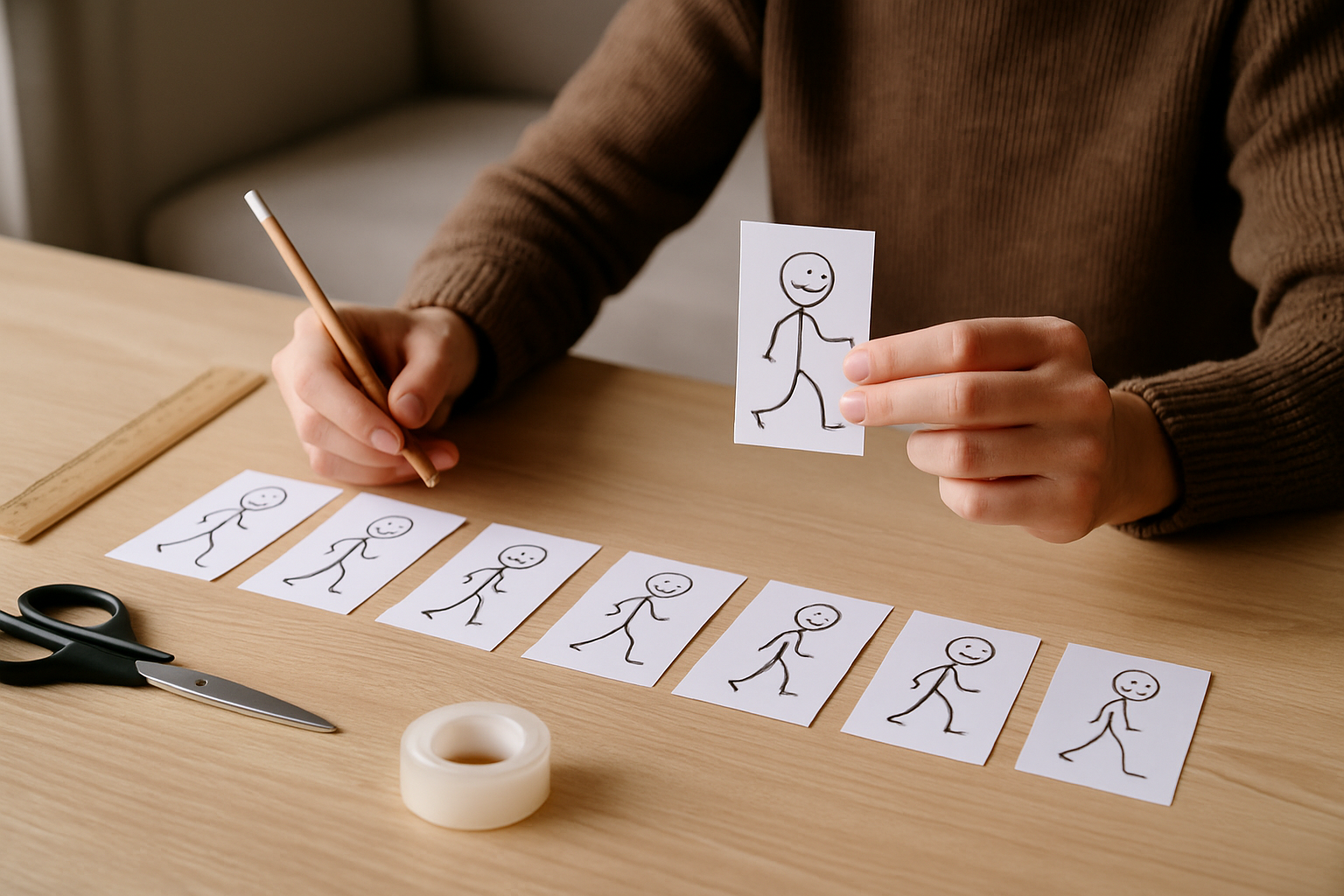
A storyboard is a visual representation of your cartoon’s narrative. Create a series of sketches that outline key scenes and transitions. Each frame should represent a moment in the story, helping you visualize the flow of action. Keep it simple; even stick figures can effectively convey movement and timing, serving as a guide for your final animation.
Key Points:
- Understanding character design is crucial for engaging cartoons
- Storyboarding helps visualize the cartoon’s narrative flow
Techniques for Hand-Drawn Animation
Hand-drawn animation is a traditional method that allows for creativity without the need for electronic devices. This technique involves creating a series of images that, when displayed in sequence, produce the illusion of motion. The key is to maintain consistency in your drawings while introducing slight variations in each frame. Start with basic movements, like a bouncing ball, to grasp the principles of timing and spacing. Additionally, consider using a flipbook or a simple lightbox to assist with frame-by-frame animation.
Creating Flipbooks
Flipbooks are an accessible way to create animations without electronics. Use a stack of small papers to draw a series of images, slightly altering each one. When you flip through the pages quickly, the images will animate. This hands-on approach not only teaches you timing but also allows for experimentation with different techniques and styles.
Using a Lightbox
A lightbox can help you trace and refine your drawings for hand-drawn animation. By placing your previous frame under a sheet of paper on the lightbox, you can see the outlines and make adjustments easily. This technique promotes consistency in your drawings, ensuring smoother transitions and more fluid motion in your final cartoon.
Key Points:
- Hand-drawn animation allows for creative expression
- Flipbooks and lightboxes are effective tools for traditional animation techniques
Understanding Traditional Animation Techniques
Creating a cartoon at home without electronics involves mastering traditional animation techniques. Start by learning about key principles such as timing, spacing, and exaggeration. These principles will help in crafting fluid animations that convey the intended emotions. Traditional methods include hand-drawn animations, cut-out animations, and stop-motion techniques. Each method has its unique charm and can be executed with basic materials, making them accessible for home projects.
Hand-Drawn Animation Basics
Hand-drawn animation is one of the oldest forms of animation. Begin by sketching key frames of your characters in various poses. Use a flipbook or a series of papers to visualize movement. Ensure that each drawing is slightly different from the last to create the illusion of motion when flipped quickly. Practice this technique to improve your skills and understand the flow of movement.
Cut-Out Animation Method
Cut-out animation involves creating characters and backgrounds from paper or other materials, which are then manipulated frame by frame. This technique allows for easy adjustments and can produce unique visual styles. Start by designing your characters on paper, cutting them out, and then using a camera or a smartphone to capture each position as you manipulate them. This provides a tangible and hands-on experience.
Key Points:
- Traditional techniques provide a tactile experience that enhances creativity.
- Understanding animation basics is crucial for effective storytelling.
💡 Focus on the 12 principles of animation to enhance your storytelling.
💡 Keep your character designs simple for easier manipulation and consistency.
Crafting a Storyboard and Script
A well-structured storyboard and script are essential for any successful cartoon. Begin by brainstorming ideas and determining the message or theme of your cartoon. Write a script that outlines the dialogue and actions, while also visualizing scenes through sketches. This pre-production phase will serve as a roadmap, keeping your project organized and focused. Storyboards can be as simple as basic sketches on paper, providing a visual outline of scenes and transitions.
Developing a Compelling Plot
A strong plot is the backbone of any cartoon. Start by defining your main characters, their goals, and the obstacles they face. Use a classic narrative structure: introduction, rising action, climax, falling action, and resolution. This structure helps maintain audience engagement and gives your story a clear direction, making it easier for viewers to follow.
Creating Effective Character Designs
Character design plays a crucial role in storytelling. Focus on creating distinct personalities through visual traits like colors, shapes, and expressions. Ensure that your characters are relatable and convey emotions effectively through their design. Sketch multiple versions before finalizing to explore different personalities and styles, which will enrich your animation.
Key Points:
- A clear storyboard guides the animation process and reduces confusion.
- Character design impacts audience connection and emotional response.
💡 Use visual storytelling techniques to engage your audience more effectively.
💡 Keep character designs consistent throughout to maintain viewer immersion.
EXPERT TIPS Pro Advice
Practice persistence in animation.
Animation is a time-consuming process that requires patience. Regular practice helps improve skills and develop a distinct style, making your creations more polished.
Seek feedback from peers.
Getting constructive criticism from others can provide new insights, helping you refine your animation and storytelling techniques more effectively.
Experiment with different materials.
Using various materials like clay, paper, or fabric can add unique textures and aesthetics to your animation, enhancing its overall appeal.
Frequently Asked Questions
Conclusion
Creating a cartoon at home without electronics can be a rewarding artistic endeavor. By utilizing simple materials, developing a storyboard, and exploring various animation techniques, you can bring your imaginative stories to life. Embrace the creative process and experiment with different methods.
🎯 Key Takeaways:
- Gather basic materials like paper, pencils, and markers.
- Create a storyboard to plan your cartoon’s plot.
- Explore hand-drawn animation for a personal touch.
- Try clay for engaging stop-motion animation.
- Edit your cartoon physically to see your story unfold.
Expert Advice: Embrace creativity and don’t be afraid to experiment with different animation styles. The more you practice, the better your skills will become, leading to captivating animated stories.
Start your animation journey today by sketching out your first storyboard and let your imagination flow!
Leave a Reply