
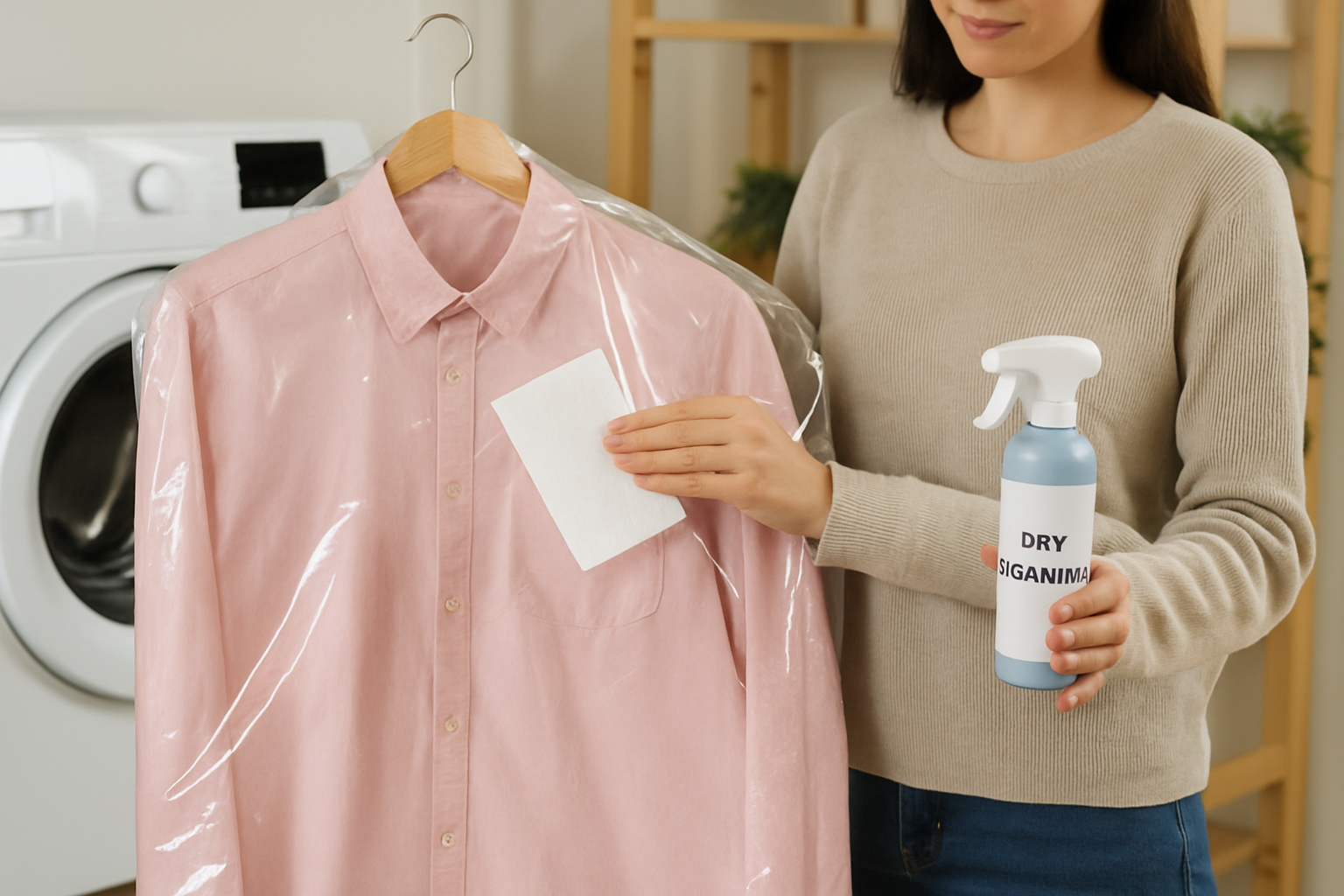
How to Do Dry Cleaning Clothes at Home: Save Time and Money
Have you ever looked at a delicate garment and wondered how to clean it without ruining it? Dry cleaning can be costly and time-consuming, but mastering how to do dry cleaning clothes at home can save you both money and effort. With over 15 years of expertise in garment care, I will guide you through the essential steps and techniques to effectively dry clean your clothes at home. In this article, you will learn about the best methods, tools, and tips to ensure your fabrics remain fresh, clean, and well-maintained. Say goodbye to expensive dry cleaning bills and hello to DIY garment care!
Understanding Dry Cleaning and Its Benefits
Dry cleaning is a cleaning process that uses solvents instead of water to remove stains and dirt from fabrics. This method is especially beneficial for delicate materials that might be damaged by traditional washing methods. The primary advantage of dry cleaning is its ability to clean without causing shrinkage or distortion, making it ideal for garments like silk, wool, and certain synthetics. Additionally, dry cleaning can help maintain the color and texture of fabrics, prolonging the life of your clothing. Understanding these benefits can guide you in deciding which garments require dry cleaning and how to approach the task at home.
The Dry Cleaning Process Explained
The dry cleaning process typically involves several key steps: inspection, pretreatment of stains, cleaning with solvent, and finishing. During inspection, you should check for any stains or damage. Pretreating stains ensures they are effectively removed during cleaning. The solvent used in cleaning dissolves grease and dirt without water, and finally, the finishing stage includes pressing and steaming to restore the garment’s appearance. Familiarizing yourself with this process can help you replicate it at home more effectively.
Common Fabrics That Benefit from Dry Cleaning
Certain fabrics are better suited for dry cleaning than others. For example, delicate fabrics like silk, satin, and lace can be easily damaged by water and agitation. Wool and cashmere are also recommended for dry cleaning due to their structure, which can shrink or lose shape in a washing machine. Additionally, garments with intricate embellishments or linings often require dry cleaning to maintain their integrity. Knowing which fabrics benefit from this method is crucial when deciding how to approach your home dry cleaning.
Key Points:
- Dry cleaning uses solvents, not water, making it ideal for delicate fabrics.
- Understanding the dry cleaning process enhances your home cleaning effectiveness.
Preparing to Dry Clean at Home
Preparing to dry clean at home involves a few essential steps to ensure effective cleaning while minimizing damage to your garments. Start by checking the care labels of your clothing, as they provide valuable information on whether dry cleaning is appropriate. Gather necessary supplies, such as a stain remover, a clean cloth, and a suitable dry cleaning solvent. Additionally, set up a clean workspace to avoid cross-contamination from other fabrics or chemicals. Proper preparation will help ensure the best results while dry cleaning your clothes at home.
Reading Care Labels
Care labels provide crucial guidelines for cleaning garments. Look for symbols indicating dry cleaning is recommended or required. If a care label specifies ‘dry clean only,’ it’s best to follow that instruction to prevent damage. Labels may also indicate specific solvents or cleaning methods. By carefully reading and following these labels, you can determine the best approach for each garment, ensuring effective cleaning without compromising fabric integrity.
Gathering Necessary Supplies
Before starting your dry cleaning process, gather all necessary supplies. You’ll need a dry cleaning solvent, which can be found in most grocery stores, along with a clean, lint-free cloth for any stain pretreatment. Additionally, consider using a garment bag to protect your items during the cleaning process. Having all your supplies ready will streamline your cleaning efforts and help you achieve better results with less hassle.
Key Points:
- Always check care labels before dry cleaning to avoid damage.
- Gather essential supplies to streamline your home dry cleaning process.
Understanding the Dry Cleaning Process
Dry cleaning is a method of cleaning clothes using solvents instead of water. Understanding this process is essential for effective home dry cleaning. The primary goal is to remove stains and dirt without damaging delicate fabrics. In home dry cleaning, using specially formulated solvent alternatives is crucial, as they mimic the traditional dry cleaning method while being safe for home use. Knowing your fabrics and their cleaning requirements will also help you achieve the best results. Always test a small area first to ensure the fabric can withstand the treatment.
Types of Fabrics Suitable for Home Dry Cleaning
Not all fabrics are suitable for home dry cleaning. Common fabrics like silk, wool, and polyester can typically be treated at home, but it’s essential to check the care label. Delicate materials, such as chiffon or lace, may require professional cleaning. Always prioritize fabrics’ composition and construction to avoid damage during the cleaning process.
Preparing Clothes for Dry Cleaning at Home
Preparation is key to effective home dry cleaning. Start by inspecting garments for stains and treating them with a spot cleaner. Remove any items from pockets and close zippers to prevent snagging. If possible, hang clothes on a hanger or lay them flat to avoid wrinkles during the cleaning process. Proper preparation ensures that your garments receive the best treatment.
Key Points:
- Understanding fabrics is crucial for successful home dry cleaning.
- Preparation significantly impacts cleaning effectiveness.
💡 Always check garment labels for specific cleaning instructions.
💡 Test any solvent on a hidden area before full application.
Step-by-Step Guide to Home Dry Cleaning
Home dry cleaning can be done effectively by following a systematic approach. First, choose a well-ventilated area to minimize odor from solvents. Gather your materials, including a cleaning solvent alternative, a stain remover, and a drying cloth. The process involves treating stains, applying the solvent, and allowing the garment to dry completely. Ensuring that you follow each step diligently will enhance the results and prolong the life of your garments.
Step 1: Stain Treatment
Begin by identifying any stains on your clothes. Use a stain remover to treat these spots before the dry cleaning process. Apply the remover directly to the stain and let it sit for the recommended time. This pre-treatment helps lift stubborn stains and prepares the fabric for the cleaning solution.
Step 2: Applying the Solvent
Once the stains are treated, it’s time to apply the cleaning solvent. Dampen a cloth with the solvent and gently blot the fabric, avoiding excessive rubbing, which can damage fibers. Ensure even coverage and allow it to sit as per instructions to let the solvent do its work. Proper application is crucial for effective cleaning.
Key Points:
- Follow a systematic approach for best results.
- Pre-treatment of stains is essential.
💡 Ventilate the area well to dissipate solvent fumes.
💡 Always let the garment dry completely before wearing it again.
EXPERT TIPS Pro Advice
Use cold water when rinsing stained areas.
Cold water helps prevent stains from setting in, making it easier to treat them effectively.
Avoid overloading your cleaning area.
Overloading may prevent adequate cleaning and drying, leading to unsatisfactory results.
Store cleaned clothes properly.
Using breathable garment bags can protect your clothes from dust and moisture, keeping them fresh longer.
Know when to seek professional help.
If a garment has significant stains or is highly delicate, it may be best to consult a professional cleaner.
Frequently Asked Questions
Conclusion
Dry cleaning clothes at home offers a practical solution for maintaining delicate fabrics safely. By understanding the process, selecting suitable fabrics, and using the right techniques, you can effectively clean your garments without the need for professional services.
🎯 Key Takeaways:
- Dry cleaning uses solvents, not water.
- Home dry cleaning is cost-effective and convenient.
- Not all fabrics are suitable for home dry cleaning.
- Always pre-treat tough stains carefully.
- Air drying is preferred after home dry cleaning.
- Follow instructions to avoid damaging fabrics.
Expert Advice: Take your time to learn the process and practice on less valuable items first. Understanding fabric care will empower you to maintain your wardrobe effectively and extend the life of your clothing.
Start experimenting with home dry cleaning on a few garments to see how well you can care for your clothes!
Leave a Reply