
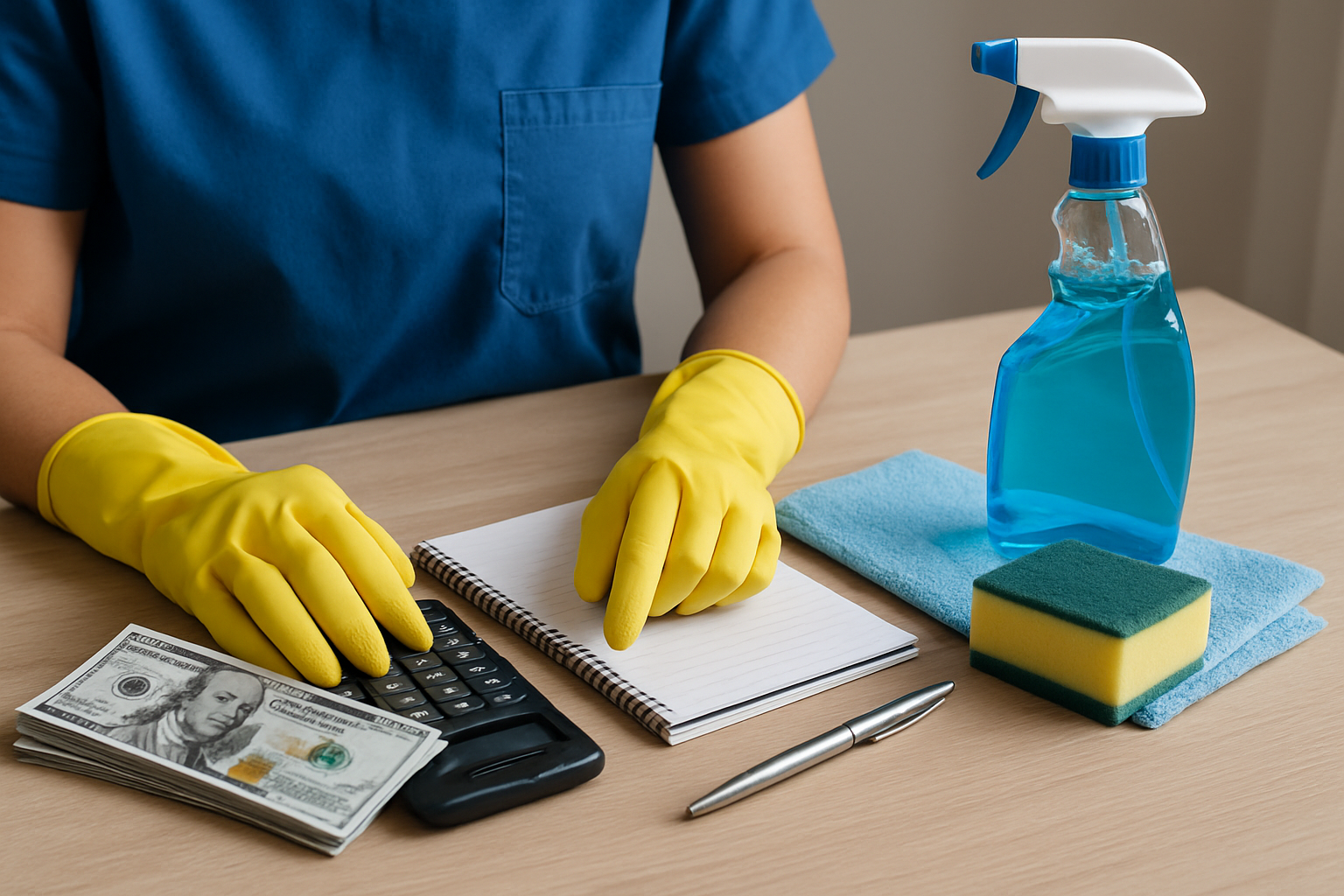
What to Charge for Cleaning Homes: Your Complete Guide
Are you wondering what to charge for cleaning homes? Setting the right price for your cleaning services can be a daunting task, yet it is crucial for your business’s success. Mispricing can lead to lost revenue or deter potential clients. With over 15 years of experience in the cleaning industry, I’ve seen firsthand how effective pricing strategies can attract more clients and ensure a sustainable income. In this article, you will learn how to assess your services, understand market rates, and implement pricing strategies that reflect your expertise and the value you provide. Whether you’re just starting out or looking to adjust your rates, this guide will equip you with the knowledge to make informed pricing decisions.
Understanding the Factors Influencing Cleaning Rates
When determining what to charge for cleaning homes, it’s crucial to evaluate several factors that can influence pricing. These include the size of the home, the type of cleaning required, and the frequency of service. Larger homes naturally require more time and resources, which can elevate the price. Additionally, specialized services such as deep cleaning or post-construction cleaning may justify higher rates due to the increased effort involved. Lastly, regular clients may benefit from discounts based on loyalty or long-term agreements, further impacting your pricing structure.
Home Size and Layout
The size and layout of a home significantly affect cleaning costs. Standard pricing often scales with square footage; for instance, smaller homes may incur lower fees compared to expansive multi-story residences. Additionally, complex layouts with numerous rooms or levels can lead to longer cleaning times, warranting higher charges.
Type of Cleaning Service
Different cleaning services carry varying price tags. Standard cleaning typically includes routine tasks like dusting and vacuuming, while deep cleaning encompasses more thorough tasks such as carpet shampooing and window washing. Customizing your offering based on client needs can also influence pricing, as specialized services often command higher rates.
Frequency of Service
The frequency of cleaning services plays a vital role in establishing your rates. Regular cleaning (weekly or bi-weekly) can be priced lower per visit than one-off deep cleans or occasional services. This pricing strategy encourages clients to commit to a regular schedule, ensuring steady income for your cleaning business.
Key Points:
- Consider home size when setting rates
- Specialized cleaning services justify higher charges
Researching Market Rates for Cleaning Services
Understanding what to charge for cleaning homes requires thorough market research. Knowing the average rates in your area can help you position your business competitively. Local competition, regional cost of living, and customer demographics all play a role in determining appropriate pricing. Check online sources, local classifieds, and cleaning service websites to gather data on prevailing rates. Additionally, networking with other cleaning professionals can provide insights into what similar businesses charge.
Analyzing Competitor Pricing
Conducting a competitor analysis is essential. Identify local cleaning services and examine their pricing models. Take note of the services they offer, their pricing structures, and any unique selling propositions. This information will help you understand where your business fits in the local market and how to adjust your rates accordingly.
Considering Geographic and Demographic Factors
Geographic location can greatly influence cleaning rates. Urban areas with a higher cost of living typically allow for higher pricing than rural locations. Furthermore, understanding your target demographic—such as families, busy professionals, or seniors—can help tailor your services and pricing, ensuring they align with customer expectations.
Adjusting for Seasonal Demands
Cleaning needs can fluctuate seasonally, impacting pricing strategies. For example, spring cleaning often sees an uptick in demand, allowing for potential price increases. Conversely, during slower months, offering promotions or discounts can attract clients and maintain steady business. Stay aware of seasonal trends to optimize your pricing.
Key Points:
- Research local market rates for competitiveness
- Adjust pricing based on geographic location
Understanding Pricing Models for Home Cleaning
When determining what to charge for cleaning homes, it’s crucial to understand the various pricing models available. The most common methods include hourly rates, flat fees, and pricing based on square footage. Each model has its benefits and drawbacks, allowing cleaners to choose one that best fits their business strategy and clientele. Hourly rates offer flexibility; however, they can lead to unexpected costs for clients. Flat fees provide predictability, but they require accurate assessments of the time and effort involved. Pricing by square footage can simplify quoting and ensure fairness based on the size of the job, but may not account for variables like the condition of the home or specific client needs.
Hourly Rates vs. Flat Fees
Choosing between hourly rates and flat fees is essential for establishing a pricing structure. Hourly rates are typically used for one-time cleans or irregular appointments, allowing for adjustments based on the job complexity. In contrast, flat fees are more common for recurring services, providing stability for both the cleaner and the client. It’s important to evaluate the nature of the service and client expectations when deciding which model to adopt.
Factors Influencing Pricing
Several factors can influence what to charge for cleaning homes, including the level of service, geographic location, and clientele. High-demand areas may allow for higher pricing due to competition and cost of living. Additionally, specialized services like deep cleaning or post-construction cleaning can command premium rates. Understanding local market rates and service levels can help establish competitive pricing.
Key Points:
- Different pricing models cater to varying client needs and job types.
- Factors like location and service level significantly influence pricing decisions.
💡 Offer a free consultation to assess the home’s needs, which allows you to provide more accurate quotes and build trust with potential clients.
💡 Research local competitors to ensure your pricing is in line with market expectations, helping you remain competitive while ensuring profitability.
Calculating Your Costs and Profit Margin
To effectively determine what to charge for cleaning homes, it’s vital to calculate both your costs and desired profit margin. Begin by itemizing direct costs such as cleaning supplies, transportation, and labor. Understanding your overhead, including insurance and advertising, is equally important. Once you have a comprehensive view of your expenses, you can establish your pricing structure to ensure profitability. A common approach is to mark up your costs by a specific percentage, allowing you to cover expenses while achieving the desired profit. Regularly reviewing these costs is essential to maintain financial health as your business evolves.
Identifying Direct Costs
Direct costs include all expenses directly related to cleaning services, such as cleaning supplies and transportation. Keeping detailed records of these costs will help you understand your baseline expenses. Regularly reviewing these costs can help you identify areas for potential savings or investment, ensuring you remain competitive while maintaining quality.
Setting Profit Margins
After calculating your costs, you’ll need to decide on a profit margin that reflects your business goals. A standard profit margin in the cleaning industry can range from 30% to 50%. This margin should reflect not only your direct costs but also account for overhead and any unforeseen expenses that may arise. Adjusting your prices periodically to reflect changes in costs or market conditions is crucial for long-term viability.
Key Points:
- Understanding your costs is crucial for setting a competitive and profitable pricing structure.
- Regularly reviewing your cost structure helps in making informed pricing adjustments.
💡 Utilize a pricing calculator to streamline your cost assessment and ensure accuracy in your pricing strategy.
💡 Regularly revisit your cost structure to adjust for inflation or changes in supply prices, helping you maintain profitability.
EXPERT TIPS Pro Advice
Build a diverse service menu
Offering a variety of cleaning services can attract a broader clientele and justify varied pricing structures, allowing for increased overall revenue.
Implement a referral program
Encouraging satisfied clients to refer others can enhance your client base without heavy marketing expenses, leading to consistent income.
Stay informed about industry trends
Being aware of trends can help you adjust your services and pricing to meet evolving customer expectations, keeping your business relevant.
Frequently Asked Questions
Conclusion
Determining what to charge for cleaning homes involves various factors like home size, cleaning frequency, and the specific services offered. By analyzing your costs, researching the competition, and considering client needs, you can set competitive and fair pricing that reflects your expertise.
🎯 Key Takeaways:
- Consider home size and cleaning depth when setting rates.
- Calculate your hourly rate based on desired income and expenses.
- Deep cleaning should be priced higher than regular cleaning.
- Loyalty discounts can help retain regular clients.
- Transparency in pricing builds trust with clients.
Expert Advice: Stay informed on market trends and be flexible with your pricing as you gain experience and expand your services. Regularly review your rates to ensure they reflect the quality and value you provide.
Take the time to evaluate your pricing strategy and communicate openly with your clients to foster a successful cleaning business.
Leave a Reply