
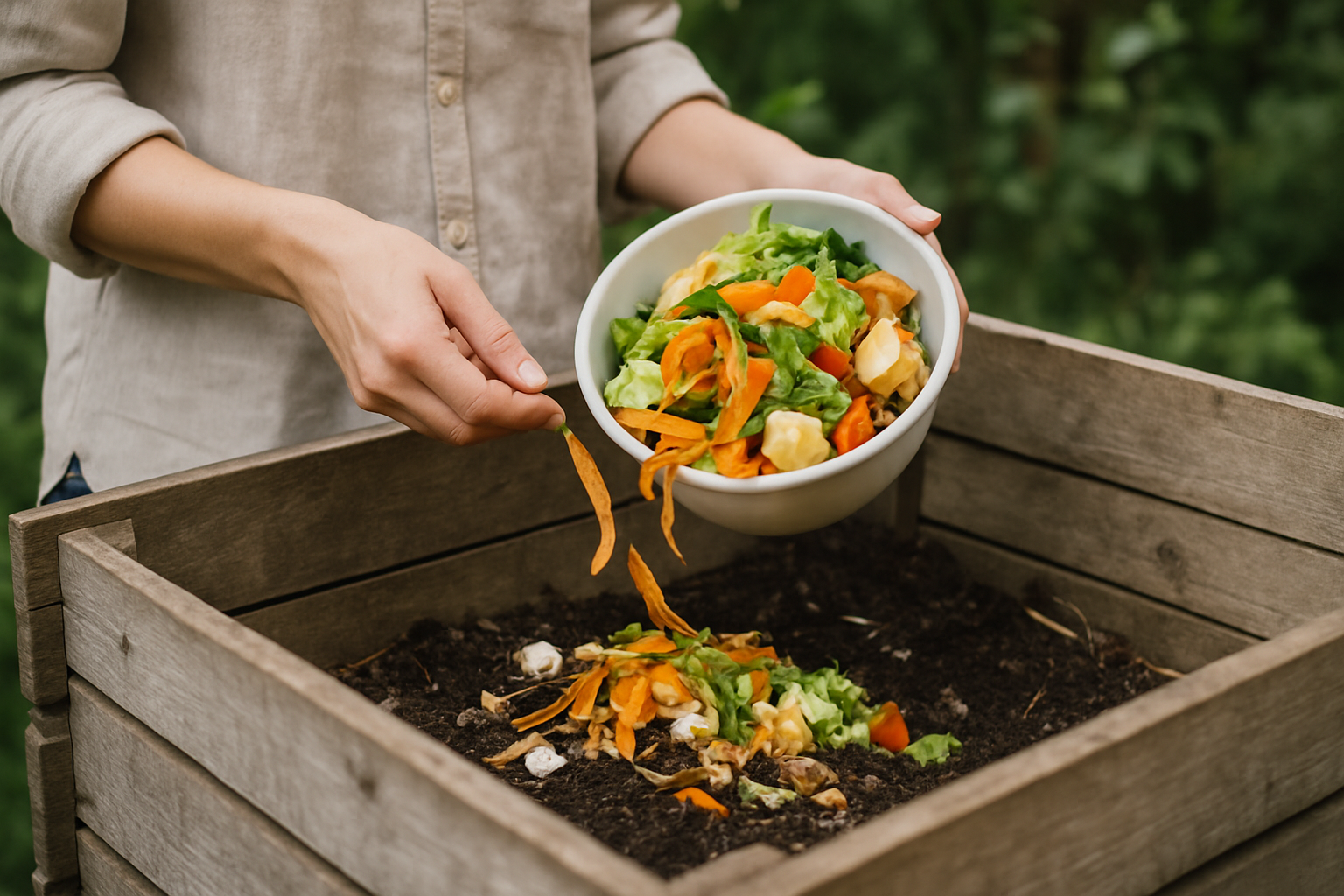
How to Make Compost at Home with Kitchen Waste Easily
Have you ever wondered how to make compost at home with kitchen waste? Composting is not only an effective way to reduce kitchen waste but also a sustainable practice that enriches your garden soil. In fact, about 30% of what we throw away can be composted! With over 15 years of experience in sustainable gardening practices, I will guide you through the process of creating nutrient-rich compost using everyday kitchen scraps. In this article, you’ll learn about the materials you need, the step-by-step composting process, tips for maintaining your compost pile, and common mistakes to avoid. Whether you’re a novice or an experienced gardener, you’ll find valuable insights to enhance your composting journey.
Understanding Composting Basics
Composting is a natural process of recycling organic material, such as kitchen waste, into a valuable soil amendment. It enriches the soil, reduces the need for chemical fertilizers, and decreases waste that ends up in landfills. To make compost at home with kitchen waste, it’s essential to understand the components involved. Composting relies on a balance of ‘greens’ (nitrogen-rich materials) and ‘browns’ (carbon-rich materials). Greens include fruit scraps, vegetable peels, and coffee grounds, while browns consist of dried leaves, cardboard, and paper. When combined correctly, these materials break down through microbial activity, creating nutrient-rich compost over time.
The Importance of Kitchen Waste in Composting
Kitchen waste is an excellent source of organic material for composting. It typically comprises a variety of nutrients that benefit plant growth. By using scraps like vegetable peels and fruit cores, you not only reduce kitchen waste but also contribute to a sustainable cycle of nutrition for your garden. Additionally, kitchen waste is often readily available and can significantly enhance the compost’s nutrient profile, making it an essential component for effective composting.
The Science of Composting
Composting involves a complex interplay of microorganisms, moisture, and temperature. The microorganisms break down organic materials, converting them into compost. Maintaining a proper balance between greens and browns, along with adequate moisture and aeration, is crucial to the process. The compost pile’s temperature should ideally reach between 130°F to 160°F to kill pathogens and weed seeds. Understanding these scientific principles helps in managing the composting process effectively.
Key Points:
- Composting recycles organic kitchen waste into nutrient-rich soil.
- A balanced mix of greens and browns is essential for effective composting.
Choosing the Right Composting Method
There are several methods to compost at home, each suitable for different spaces and needs. The method you choose can significantly impact the speed and efficiency of the composting process. Common techniques include pile composting, bin composting, and vermicomposting. Pile composting is simple and requires minimal equipment, while bin composting is more organized and can fit into smaller spaces. Vermicomposting uses worms to break down waste and is ideal for indoor settings. Understanding the advantages and limitations of each method can help you select the most appropriate one for your home and lifestyle.
Outdoor Pile Composting
Outdoor pile composting is one of the easiest methods to start composting with kitchen waste. You simply create a heap in your backyard using layers of greens and browns. This method allows for good aeration and moisture retention, leading to efficient decomposition. However, it requires more space and may attract pests if not managed correctly. Regular turning of the pile can enhance the breakdown process and reduce odors.
Indoor Composting Solutions
Indoor composting is ideal for those with limited outdoor space. Methods like bin composting or vermicomposting can be done in small areas, such as balconies or kitchens. Compost bins can be kept closed to minimize odors and pests, while vermicomposting uses worms to accelerate the decomposition process. Both methods require careful monitoring of moisture and aeration to ensure a successful composting environment indoors.
Key Points:
- Choose a composting method that fits your available space and lifestyle.
- Outdoor pile composting is simple but requires more space; indoor options are more compact.
Understanding the Composting Process
To make compost at home with kitchen waste, it is essential to understand the composting process. Composting is a natural decomposition of organic matter that occurs through the action of microorganisms. By creating the right environment, you can speed up this process and produce nutrient-rich compost for your garden. The key ingredients for successful composting are nitrogen-rich greens, carbon-rich browns, moisture, and air. Balancing these components is crucial for maintaining an efficient compost pile that breaks down quickly and effectively.
Balancing Greens and Browns
Greens include nitrogen-rich materials like fruit scraps, vegetable peels, and coffee grounds, while browns consist of carbon sources like dried leaves, paper, and cardboard. A good rule of thumb is to maintain a ratio of 2:1 browns to greens. This balance ensures that microorganisms have enough energy to break down materials efficiently, resulting in faster composting.
Moisture and Aeration
Moisture is vital for microorganisms to thrive. Ensure your compost pile is damp but not soggy. If it feels too dry, add water; if it’s too wet, add more browns. Aeration is also crucial—turn your compost regularly with a pitchfork to introduce oxygen, which helps speed up decomposition and prevents unpleasant odors.
Key Points:
- Understanding the composting process is crucial for success.
- Balancing greens and browns optimizes decomposition.
💡 Monitor your compost pile’s temperature regularly to ensure it’s within the ideal range of 130-160°F for effective breakdown.
💡 Use a compost thermometer to check the temperature and adjust materials accordingly to maintain optimal conditions.
Common Kitchen Waste for Composting
Utilizing kitchen waste effectively can significantly enhance the quality of your compost. Many organic materials typically discarded can be composted, providing valuable nutrients for your garden. Common kitchen waste suitable for composting includes vegetable scraps, fruit peels, eggshells, and coffee grounds. However, it’s important to avoid certain items that can harm your compost pile or attract pests. Knowing what to include and exclude will help you create a rich, healthy compost.
What to Include
Ideal kitchen waste includes fruit and vegetable scraps, coffee filters, egg shells, and crushed nutshells. These items provide essential nutrients like nitrogen and calcium, which are beneficial for plant growth. Always chop larger items into smaller pieces to accelerate decomposition and enhance aeration within the pile.
What to Avoid
Certain kitchen waste should be avoided in composting, including meat, dairy products, oils, and cooked foods. These materials can attract pests and create odors, leading to an unhealthy compost pile. Stick to plant-based materials for a more successful composting experience.
Key Points:
- Utilizing kitchen waste effectively enhances compost quality.
- Knowing what to include and exclude is vital for successful composting.
💡 Keep a small compost bin in your kitchen for easy collection of scraps, making composting more convenient.
💡 Research local guidelines on composting to understand any specific regulations or recommendations in your area.
EXPERT TIPS Pro Advice
Layer your compost materials.
Layering helps create air pockets that facilitate aeration and proper decomposition, ensuring a balanced mix of greens and browns.
Chop up larger waste items.
Smaller pieces decompose faster, speeding up the composting process and making it easier for microorganisms to break down the material.
Keep a log of your composting process.
Documenting your composting activities helps you understand what works best and can improve your technique over time.
Use a compost aerator.
Aerators simplify the process of turning your compost, ensuring adequate oxygen flow and promoting faster decomposition.
Monitor moisture levels regularly.
Consistent moisture is crucial for decomposition; checking it helps maintain the right environment for microorganisms to thrive.
Frequently Asked Questions
Conclusion
Composting at home with kitchen waste is a sustainable practice that reduces landfill waste and enriches your garden soil. By using various kitchen scraps, maintaining balance, and turning your pile regularly, you can produce quality compost. This eco-friendly habit benefits both you and the environment.
🎯 Key Takeaways:
- Use a variety of kitchen scraps for balanced compost.
- Maintain a 3:1 ratio of browns to greens.
- Turn the pile regularly to aerate and speed decomposition.
- Cover the pile to retain moisture and heat.
Expert Advice: Start small and experiment with different materials and methods until you find what works best for you. Consistency and patience are key to successful composting.
Begin your composting journey today by collecting your kitchen waste and setting up a compost bin or pile!
Leave a Reply