
How to Make Window Cleaner at Home: Easy Recipes Revealed
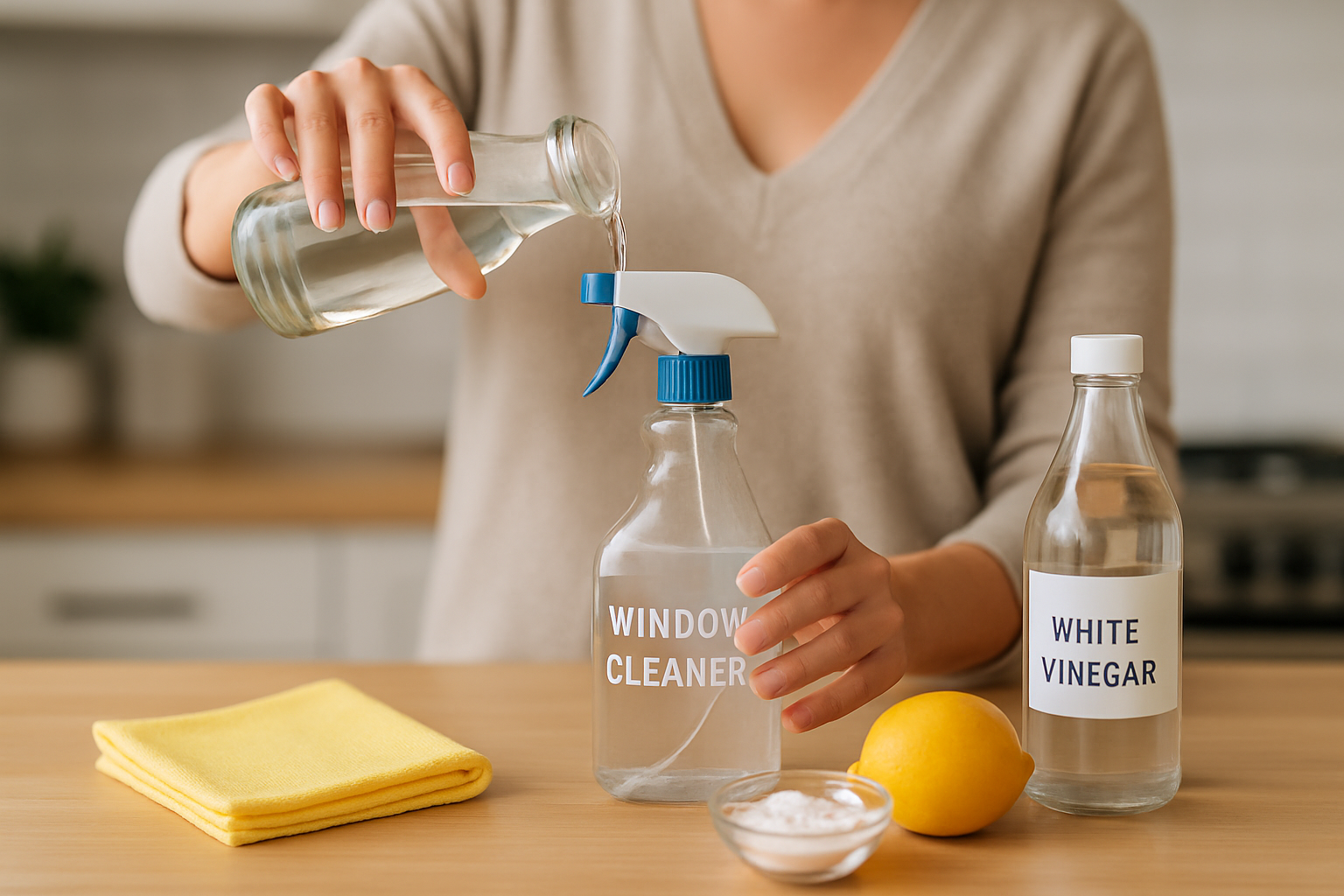
Are you tired of streaky windows and expensive commercial cleaners? Discover how to make window cleaner at home with simple, cost-effective ingredients. With just a few household items, you can create a powerful solution that leaves your windows sparkling and clear. In this guide, we’ll share expert tips and techniques to ensure you achieve the best results, whether you’re cleaning large windows or small glass surfaces. Join us as we explore the easiest methods to create your own window cleaner and enjoy a streak-free shine that enhances your home’s appearance.
Understanding the Ingredients for Homemade Window Cleaner
Creating an effective window cleaner at home begins with understanding the right ingredients. The most common components include vinegar, water, and a few optional additions like rubbing alcohol or cornstarch. Vinegar is a natural degreaser and disinfectant, making it ideal for breaking down grime. Water serves as a diluting agent, while rubbing alcohol can enhance the cleaning power and quicken the drying process. Cornstarch can be added to create a streak-free finish. These ingredients are not only cost-effective but also environmentally friendly, making them suitable for households aiming for greener cleaning solutions.
The Role of Vinegar
Vinegar is a key ingredient in homemade window cleaners due to its acetic acid content, which effectively cuts through dirt and smudges. It is also a non-toxic disinfectant, making it safe for households with children and pets. To enhance its effectiveness, use distilled white vinegar for a clearer solution, ensuring no minerals interfere with the cleaning process.
Benefits of Rubbing Alcohol
Adding rubbing alcohol to your homemade window cleaner can significantly boost its cleaning power. It evaporates quickly, preventing streaks and providing a spotless finish. Moreover, it helps disinfect surfaces, making it a valuable addition for sanitizing high-touch areas in your home. Use it sparingly, as a little goes a long way.
Why Use Water?
Water acts as a diluting agent in homemade window cleaners, balancing the strength of vinegar and alcohol. It helps to spread the cleaning agents evenly across the glass surface, ensuring thorough coverage. Using distilled or purified water is recommended to avoid any mineral deposits that tap water may leave behind, ensuring a clearer view.
Key Points:
- Homemade window cleaners are cost-effective and eco-friendly.
- Vinegar is an excellent natural cleaner and disinfectant.
Step-by-Step Guide to Making Window Cleaner at Home
Making your own window cleaner at home is a straightforward process that requires minimal effort. Start by gathering your ingredients: vinegar, water, and optional rubbing alcohol or cornstarch. Begin with a basic ratio of one part vinegar to two parts water. If desired, add a quarter cup of rubbing alcohol for enhanced cleaning power. Mix the ingredients in a spray bottle and shake gently to combine. For an added streak-free shine, incorporate a tablespoon of cornstarch, though this is optional. Once mixed, your window cleaner is ready for use—just spray it on the glass surface and wipe with a microfiber cloth for optimal results.
Basic Recipe and Ratios
The foundational recipe for homemade window cleaner involves a simple ratio: one part vinegar to two parts water. This balance effectively breaks down grime without being overly harsh on surfaces. For a more potent solution, consider adding a small amount of rubbing alcohol, which also helps to speed up drying time.
Mixing Instructions
To create your window cleaner, combine the ingredients in a clean spray bottle. Start with the vinegar, followed by water, and if using, the rubbing alcohol. Secure the top of the bottle and shake gently to mix. Avoid vigorous shaking to prevent excessive foaming, which can make application more difficult.
Application Tips
When applying your homemade window cleaner, use a microfiber cloth or paper towel for best results. Spray the cleaner onto the glass surface, then wipe in a circular motion to lift dirt and debris. For larger surfaces, consider using a squeegee to achieve a streak-free finish, particularly on windows.
Key Points:
- Follow a simple ratio for effective cleaning.
- Use a microfiber cloth for the best application results.
Basic Ingredients for Homemade Window Cleaner
Creating an effective window cleaner at home requires just a few simple ingredients that are often already in your pantry. The most common combination includes water, vinegar, and rubbing alcohol. Vinegar acts as a natural disinfectant and helps cut through grime, while rubbing alcohol aids in streak-free drying. Depending on your preference, you can adjust the ratios to achieve the desired strength and effectiveness for different cleaning tasks.
Vinegar and Water Solution
A simple vinegar and water mixture is one of the most effective ways to clean windows. Mix equal parts of white vinegar and water in a spray bottle. This solution is excellent for removing fingerprints, dust, and light stains. For tougher stains, consider increasing the vinegar ratio slightly. Vinegar’s acidity helps dissolve mineral deposits and other stubborn residues.
Rubbing Alcohol Addition
Adding rubbing alcohol to your vinegar and water solution enhances its cleaning power. A common ratio is 1 cup of vinegar, 1 cup of water, and 1 cup of rubbing alcohol. This combination not only cleans effectively but also evaporates quickly, minimizing streaks on glass surfaces. It’s particularly useful for windows exposed to heavy dirt and grime.
Key Points:
- Vinegar is a natural cleaning agent that cuts through grime.
- Rubbing alcohol aids in quick drying and reduces streaks.
💡 Use distilled water to ensure a streak-free shine as tap water may contain minerals that leave spots.
Advanced Techniques for Streak-Free Results
Achieving a streak-free finish on your windows can be challenging but can be mastered with the right techniques. One important factor is to clean windows on a cloudy day. Direct sunlight can dry the cleaner too quickly, leading to streaks. Additionally, using the right tools can significantly impact the final result. Microfiber cloths or squeegees are excellent choices for applying and removing the cleaning solution effectively.
Proper Cleaning Technique
When applying your homemade cleaner, use a circular motion to cover the entire surface. Follow this with a vertical or horizontal stroke using a squeegee or microfiber cloth to remove the solution. This method helps prevent streaks by ensuring even coverage and removal of the cleaner. Always start from the top and work your way down to catch any drips.
Choosing the Right Tools
Investing in quality cleaning tools can make a significant difference. A squeegee with a rubber blade is ideal for large windows, while microfiber cloths are perfect for smaller areas and detailing. Ensure your tools are clean to avoid transferring dirt back onto the glass. Regularly wash your microfiber cloths to maintain their effectiveness.
Key Points:
- Cloudy weather is best for cleaning to avoid streaks.
- Using proper tools like squeegees leads to better results.
💡 Clean windows in sections to ensure thorough cleaning before the solution dries.
EXPERT TIPS Pro Advice
Use a two-step cleaning process
Start with a heavier cleaner for tough grime, then follow up with a vinegar solution for shine. This method ensures a thorough clean without streaks.
Experiment with essential oils
Adding a few drops of essential oil like lemon can enhance the scent and provide additional antibacterial properties, making the cleaning experience more pleasant.
Regular maintenance is key
Clean windows regularly to prevent buildup. Frequent light cleaning can save time and effort compared to tackling heavy dirt accumulation.
Frequently Asked Questions
Conclusion
Making your own window cleaner at home is simple and cost-effective. By using basic ingredients like vinegar and water, you can achieve streak-free, sparkling windows without harsh chemicals. Customize your cleaner with essential oils for fragrance and maintain a regular cleaning schedule for best results.
🎯 Key Takeaways:
- Vinegar and water are the main ingredients for homemade window cleaner.
- Use a microfiber cloth or squeegee for streak-free results.
- Essential oils can enhance cleaning and add fragrance.
- Store the solution in a cool, dark place for effectiveness.
- Clean windows regularly to prevent grime buildup.
Expert Advice: Focus on maintaining a consistent cleaning routine and experiment with ingredient ratios to find the best solution for your needs. Remember, natural cleaners are effective and eco-friendly alternatives to commercial products.
Try making your own window cleaner today and enjoy the benefits of a cleaner, healthier home environment!
Leave a Reply