
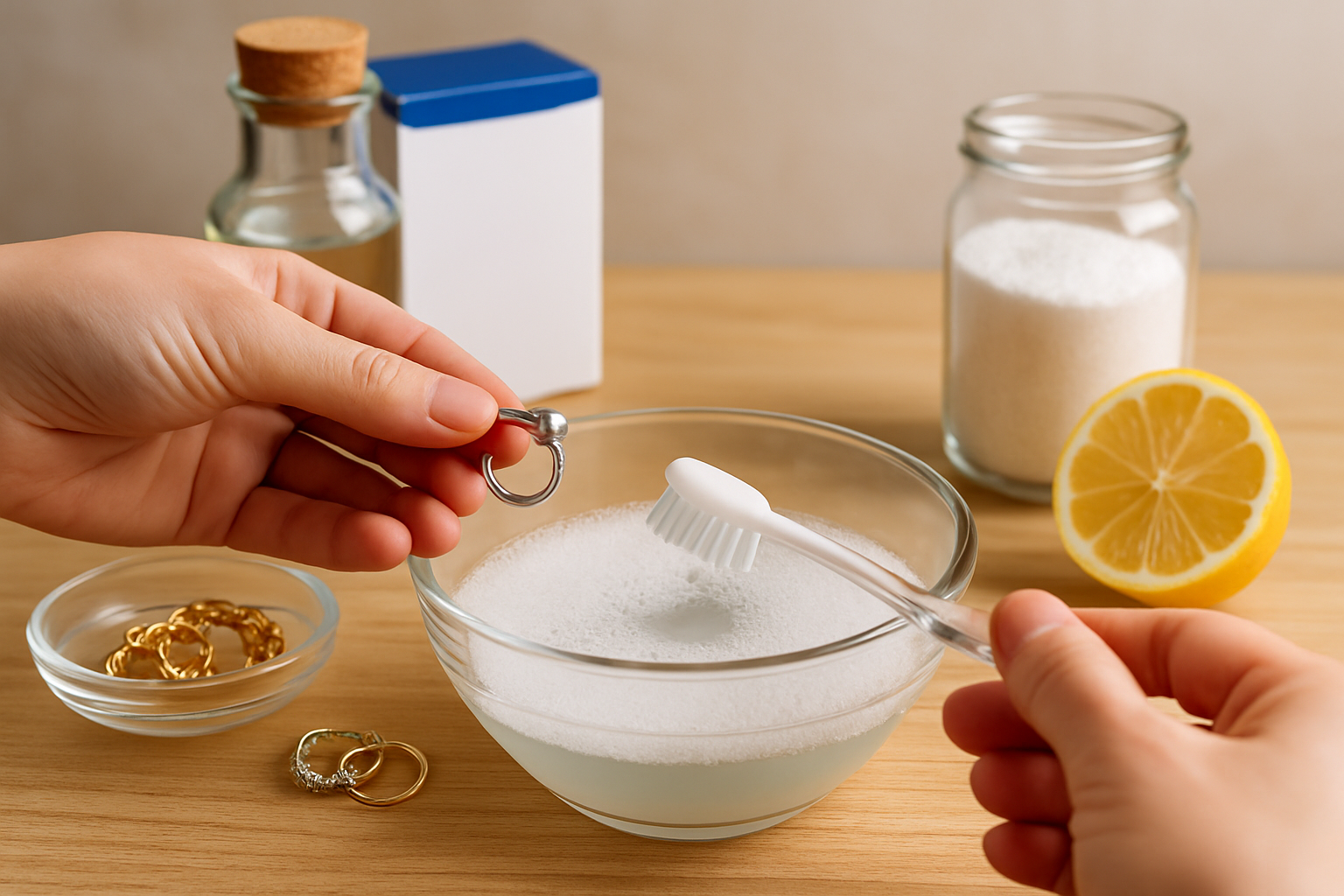
How to Make Jewelry Cleaner at Home: Effective and Simple Methods
Are your beloved pieces of jewelry losing their luster? Understanding how to make jewelry cleaner at home can save you time and money while keeping your treasures looking brand new. With just a few common household ingredients, you can create effective cleaning solutions that restore brilliance and shine. In this article, we will explore various DIY methods that are not only easy to prepare but also safe for your jewelry. Whether you’re dealing with tarnished silver or dull gemstones, our expert tips will guide you through the process of making your own jewelry cleaner. Read on to discover how you can achieve sparkling results from the comfort of your home.
Understanding Jewelry Cleaning Needs
Jewelry accumulates dirt, oils, and tarnish over time, necessitating regular cleaning to maintain its sparkle and integrity. Different types of jewelry require specific cleaning methods. For instance, precious metals like gold and silver can tarnish, while gemstones may need more delicate care. Understanding the composition of your jewelry helps in selecting the right cleaning solution, ensuring that you do not damage the pieces while trying to restore their shine.
Types of Jewelry Materials
Common jewelry materials include gold, silver, platinum, and various gemstones. Each material has unique properties that influence how it should be cleaned. For example, gold is relatively durable, while softer gemstones like opals or pearls require gentler methods. Knowing the material aids in choosing suitable cleaners and techniques for effective cleaning.
Signs Your Jewelry Needs Cleaning
Look for signs like dullness, discoloration, or visible buildup on your jewelry. If your rings, necklaces, or earrings no longer shine or appear dirty, it’s time to clean them. Regular inspection helps maintain the beauty and longevity of your jewelry, preventing more extensive damage that may require professional restoration.
Key Points:
- Identify the materials of your jewelry for effective cleaning.
- Regularly inspect jewelry for signs of dirt or tarnish.
Basic Homemade Jewelry Cleaner Recipes
Creating your jewelry cleaner at home is cost-effective and can be done using common household items. Homemade cleaners can be as simple as a mixture of warm water and mild soap or more specialized formulas using baking soda or vinegar. These solutions are not only economical but also free from harsh chemicals that could damage your jewelry.
Mild Soap and Water Solution
A mixture of warm water and a few drops of mild dish soap is one of the simplest and safest methods to clean jewelry. Soak the jewelry for about 15-20 minutes, then gently scrub with a soft toothbrush. Rinse thoroughly under warm water and dry with a soft cloth. This method is effective for most metals and gemstones.
Baking Soda Paste
For tougher tarnish, a paste made from baking soda and water can be quite effective. Mix three parts baking soda with one part water to form a paste. Apply it to the tarnished areas using a soft cloth or sponge, then rinse thoroughly. This method is particularly useful for silver jewelry, restoring its shine without harsh chemicals.
Key Points:
- Homemade cleaners are safe and effective for most jewelry types.
- Always rinse and dry jewelry thoroughly after cleaning to prevent residue buildup.
Understanding the Basics of Homemade Jewelry Cleaners
To effectively create a jewelry cleaner at home, it’s essential to understand the types of materials you’re working with. Different metals and stones require specific cleaning solutions to avoid damage. For instance, gold and silver can usually withstand mild cleaners, while porous stones like turquoise or pearls need more gentle treatment. Knowing the composition of your jewelry ensures that the homemade cleaner will be both effective and safe. Additionally, consider the nature of the dirt or tarnish you’re dealing with. A basic cleaner might suffice for everyday grime, but heavier tarnish might require a more potent mixture. Thus, tailoring your approach based on the jewelry’s material and condition is crucial for optimal results.
Choosing the Right Ingredients
The most common ingredients for homemade jewelry cleaners include baking soda, vinegar, and dish soap. Baking soda acts as a gentle abrasive, while vinegar helps dissolve tarnish. Dish soap, particularly when mixed with warm water, provides a safe and effective way to clean most jewelry types. Always start with a small amount of these ingredients and adjust according to the extent of the tarnish or dirt. Avoid using lemon juice or other acidic substances on sensitive stones, as they can cause damage.
Mixing Techniques for Effective Cleaners
When creating your cleaner, the mixing technique is as important as the ingredients themselves. For a basic solution, combine one part dish soap with two parts warm water in a bowl. For heavier tarnish, create a paste with baking soda and a few drops of water, applying it gently using a soft cloth. Ensure that the mixture is well-blended to avoid abrasive particles that could scratch the jewelry. Always test the solution on a small, inconspicuous area before applying it to the entire piece to ensure it does not cause any adverse reactions.
💡 Always wear gloves when handling jewelry cleaners to protect your skin.
💡 Rinse jewelry thoroughly under running water after cleaning to remove all cleaner residue.
💡 Use soft cloths or brushes to avoid scratching delicate surfaces.
Advanced Techniques for Specialty Jewelry Items
Certain jewelry pieces, such as those with intricate designs or delicate gemstones, require specialized cleaning techniques. For example, items with embedded stones can trap dirt that’s difficult to remove. Here, a soft toothbrush can help reach those hard-to-access areas without causing damage. Additionally, ultrasonic cleaners, while not strictly homemade, can be safely used on many types of jewelry for a deep clean that traditional methods may not achieve. However, always check the compatibility of the jewelry with ultrasonic cleaning to avoid damaging it. Understanding these advanced techniques can significantly enhance the longevity and appearance of your jewelry.
Cleaning Delicate Gemstones
For delicate gemstones such as opals or emeralds, stick to a gentle cleaning solution made from mild soap and water. Avoid using baking soda, as it can be too abrasive for softer stones. Soak the jewelry briefly and clean with a soft brush, ensuring you do not scrub harshly. Rinse thoroughly and dry with a soft cloth to prevent water spots. This approach maintains the integrity of the stone while keeping it sparkling clean.
Addressing Heavy Tarnish on Silver Jewelry
Heavy tarnish on silver can be effectively treated using a mixture of baking soda and water to create a paste. Apply the paste with a soft cloth, gently buffing the tarnished areas. For stubborn spots, consider using aluminum foil in conjunction with baking soda and boiling water to create a chemical reaction that lifts tarnish without scratching the surface. This method is particularly effective for intricate silver designs that may retain tarnish in crevices.
💡 For intricate pieces, use a soft-bristled toothbrush to reach tight spaces.
💡 Store jewelry in anti-tarnish bags or cloths to slow down tarnishing.
💡 Regular maintenance is key; clean jewelry periodically to prevent buildup.
EXPERT TIPS Pro Advice
Test with a small piece first
Always test your homemade cleaner on a small, inconspicuous area to ensure it won’t damage the jewelry.
Avoid harsh chemicals
Harsh cleaning agents can damage both the metal and gemstones, so stick to gentle, natural ingredients.
Pat dry with a soft cloth
After rinsing your jewelry, pat it dry with a soft cloth to prevent water spots and maintain shine.
Use distilled water for best results
Using distilled water can minimize mineral deposits that may leave spots on your jewelry after cleaning.
Store jewelry properly
Keep jewelry in a cool, dry place and use anti-tarnish materials to prolong its cleanliness and shine.
Frequently Asked Questions
Conclusion
In conclusion, making jewelry cleaner at home is simple and effective using common household ingredients like dish soap and vinegar. Regular cleaning helps to maintain your jewelry’s appearance and longevity. Always consider the materials you’re cleaning to avoid damage.
🎯 Key Takeaways:
- Use mild dish soap and warm water for cleaning.
- Regularly clean jewelry to prevent dirt buildup.
- Vinegar can be a safe alternative for some metals.
- Avoid boiling water to protect delicate materials.
- Check material compatibility before cleaning.
Expert Advice: Always test your homemade cleaner on a small, inconspicuous area first to ensure it won’t damage your jewelry. Regular maintenance is key to keeping your pieces looking their best.
Start cleaning your jewelry today using these simple methods and enjoy the renewed shine and brilliance!
Leave a Reply