
Cheapest Way to Heat a House: Save Money This Winter
Are you tired of sky-high heating bills during the winter months? Finding the cheapest way to heat a house doesn’t have to be a daunting task. With rising energy costs, many homeowners are seeking effective and budget-friendly solutions to stay warm without breaking the bank. In this article, we leverage over 15 years of expertise in home energy efficiency to guide you through practical strategies and tips that can significantly reduce your heating expenses. From optimizing insulation to exploring alternative heating methods, you’ll learn actionable techniques that can be implemented today. Let’s dive into the most cost-effective ways to keep your home warm and comfortable all winter long.
Understanding Heating Options
When considering the cheapest way to heat a house, it’s essential to understand the various heating options available. Each option has its own cost implications, efficiency levels, and suitability for different home types. The most common heating methods include central heating, space heaters, and alternative methods like wood burning or using heat pumps. Evaluating these options based on energy source, installation costs, and maintenance is crucial for making an informed decision.
Central Heating Systems
Central heating systems distribute heat through ducts or pipes, often using gas, electricity, or oil. While installation costs can be high, they offer uniform heating throughout larger homes. Consider the fuel source’s cost and efficiency ratings when evaluating central heating.
Space Heaters
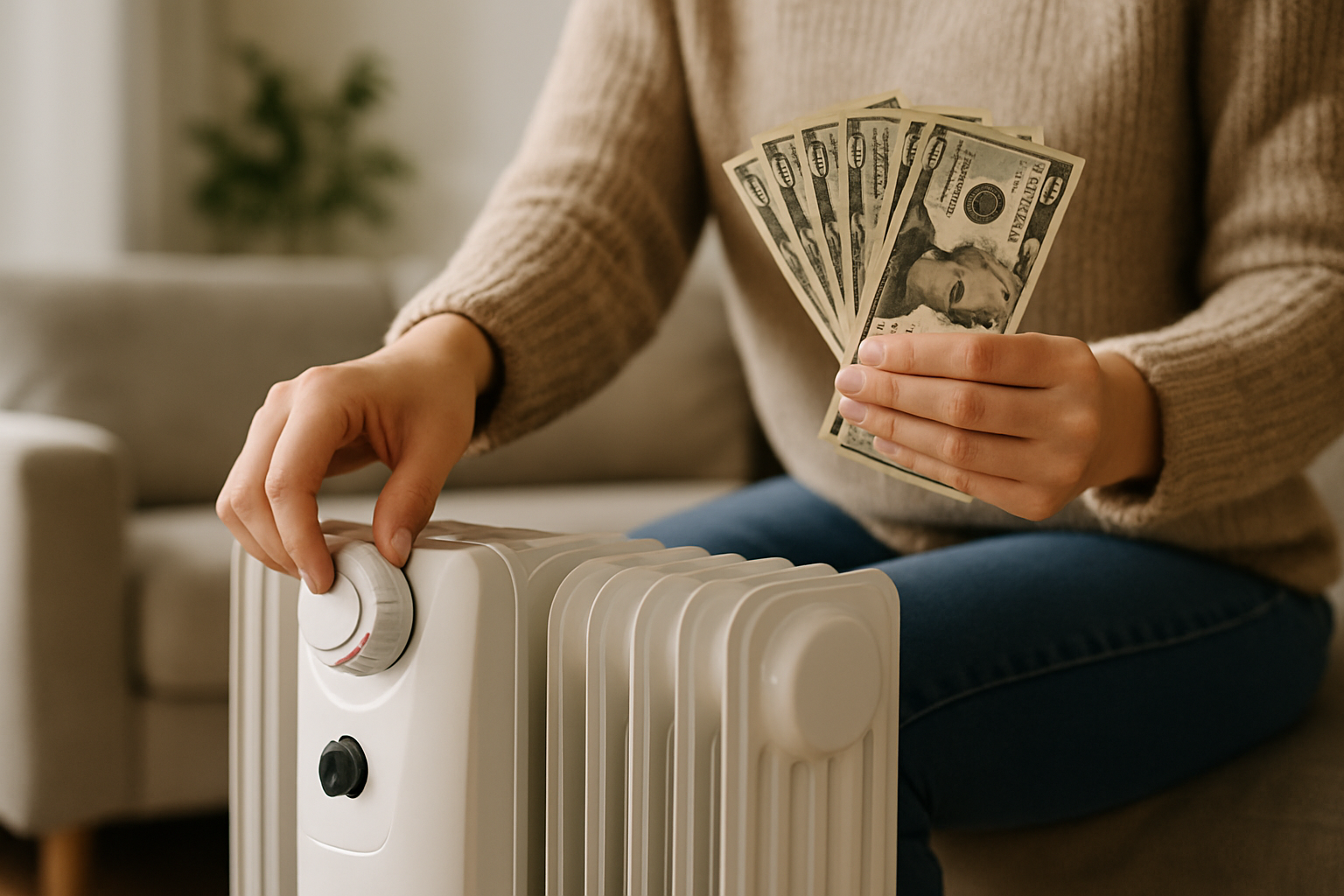
Space heaters are a cost-effective solution for heating specific areas. They are typically less expensive to install and can be used selectively, reducing overall energy consumption. However, they may not be ideal for larger spaces or entire households.
Alternative Heating Methods
Alternative heating methods, such as wood stoves or solar heating, can provide significant savings over time. While upfront costs may vary, these options can lower reliance on traditional energy sources, leading to reduced heating bills.
Key Points:
- Evaluate various heating options based on costs and efficiency
- Consider installation and maintenance costs for each heating type
Improving Home Insulation
One of the most effective ways to heat a house cheaply is by improving insulation. Proper insulation minimizes heat loss and maximizes energy efficiency, making any heating method more effective. Areas to focus on include attics, walls, and basements. Investing in quality insulation can lead to long-term savings on heating bills.
Types of Insulation
Common insulation types include fiberglass, foam, and cellulose. Each type has unique properties and costs associated. It’s important to choose the right insulation for your climate and home structure to ensure optimal performance.
Air Sealing Techniques
In addition to insulation, air sealing plays a crucial role in enhancing energy efficiency. Identify and seal leaks around windows, doors, and other openings to prevent drafts and heat loss, which can significantly lower heating costs.
Benefits of Energy Audits
Conducting an energy audit can help identify specific areas for improvement in your home’s insulation and efficiency. Professionals can provide insights and recommendations tailored to your home, maximizing your heating investment.
Key Points:
- Investing in insulation can lead to significant long-term savings
- Air sealing complements insulation for optimal energy efficiency
Understanding Heating Options
When exploring the cheapest way to heat a house, it’s essential to evaluate various heating options. The most common types include electric, gas, oil, and renewable energy sources. Each has its associated costs, efficiency, and environmental impact, making it vital to consider local energy prices and availability. Electric heating is often straightforward but can be costly depending on electricity rates. Gas heating tends to be cheaper in areas with abundant natural gas supplies. Oil heating can be economical but is subject to price fluctuations. Renewable options, such as solar or geothermal, offer long-term savings but require higher initial investments.
Electric Heating
Electric heating systems can be efficient and easy to install. Options include baseboard heaters, electric furnaces, and heat pumps. While electric heating can be cost-effective in regions with low electricity rates, it may become expensive during peak usage times. Consider using timers and smart thermostats to optimize energy use.
Gas Heating
Gas heating is one of the most cost-effective methods for many homeowners, especially in areas with lower natural gas prices. Gas furnaces typically have a higher upfront cost but can provide significant savings on energy bills. Regular maintenance, such as cleaning filters and ensuring proper ventilation, can enhance efficiency and longevity.
💡 Consider local energy prices when choosing a heating method
💡 Explore multi-fuel systems for flexibility
Improving Home Insulation
One of the most effective ways to reduce heating costs is by improving your home’s insulation. Proper insulation minimizes heat loss, allowing your heating system to operate more efficiently. Focus on insulating attics, walls, and floors, and pay special attention to sealing gaps around windows and doors. The initial investment in insulation can lead to significant long-term savings by reducing energy consumption and maintaining a comfortable indoor temperature.
Types of Insulation
There are various insulation materials available, including fiberglass, foam board, and spray foam. Each has unique properties and costs. Fiberglass is popular for its affordability and effectiveness, while foam board offers higher R-values per inch. Understanding the specific needs of your home will help in selecting the most cost-effective option.
Sealing Air Leaks
Air leaks can significantly impact heating efficiency. Use caulk or weather stripping to seal gaps around windows, doors, and vents. Conducting a blower door test can help identify these leaks. By addressing air leaks, you can enhance your home’s comfort and reduce heating demands, ultimately leading to lower energy bills.
💡 Conduct a home energy audit for insights on insulation needs
💡 Invest in high-quality insulation materials for long-term savings
EXPERT TIPS Pro Advice
Evaluate your heating system’s efficiency
Understanding your current system’s efficiency can guide improvements, whether through upgrades or maintenance, ultimately reducing heating costs.
Consider programmable thermostats
Using programmable thermostats allows you to set temperatures according to your schedule, preventing energy waste when you’re not home.
Utilize natural sunlight
Open curtains during sunny days to harness solar heat. This passive heating method can reduce reliance on your heating system.
Maintain your heating system regularly
Regular maintenance, such as cleaning and inspections, ensures your heating system runs efficiently, extending its lifespan and lowering energy costs.
Explore government incentives for insulation
Many regions offer incentives for home insulation improvements, making it more affordable to upgrade your home’s energy efficiency.
Frequently Asked Questions
Conclusion
Heating your house efficiently and affordably involves a combination of strategies. From improving insulation to considering alternative heating methods, careful planning can lead to significant savings. Prioritize regular maintenance and smart thermostat use to maximize comfort and minimize expenses during the cold months.
🎯 Key Takeaways:
- Seal leaks and insulate to retain heat.
- Consider alternative heating methods for cost savings.
- Use programmable thermostats for efficiency.
- Regular maintenance can prevent costly repairs.
- Space heaters can save money when used wisely.
Expert Advice: Evaluate your home’s heating needs and explore various cost-effective strategies. Implementing a combination of methods will help you achieve the most efficient heating solution without overspending.
Take the time to assess your current heating situation and start making changes today for a warmer, more affordable winter.
Leave a Reply