
What’s the Cheapest Way to Heat Your Home This Winter? Discover Effective Strategies
As winter approaches, many homeowners face the pressing question: what’s the cheapest way to heat your home this winter? With rising energy costs and the need for comfort, finding an affordable heating solution is more important than ever. Studies show that heating can account for up to 50% of your energy bills during the colder months. In this article, we leverage years of experience in energy efficiency to guide you through the most cost-effective strategies to keep your home warm without breaking the bank. From optimizing your current heating system to exploring alternative methods, you’ll learn practical tips that can lead to significant savings this winter.
Understanding Heating Options
Heating your home during winter can be a significant expense, but understanding various heating options can help you find the most economical solution. The main types of heating systems include central heating, space heaters, and alternative methods like wood-burning stoves. Each option has its own cost implications and efficiencies, so evaluating these can help you choose the right one for your needs. Additionally, understanding how heat loss occurs in your home can inform your heating strategy, enabling you to reduce overall costs while maintaining comfort.
Central Heating Systems
Central heating systems distribute heat throughout your home via ducts or pipes. They can be powered by gas, electricity, or oil. While the initial installation can be costly, they often provide uniform heating and can be more efficient for larger homes. Consider factors like fuel prices and system efficiency ratings when evaluating this option.
Space Heaters
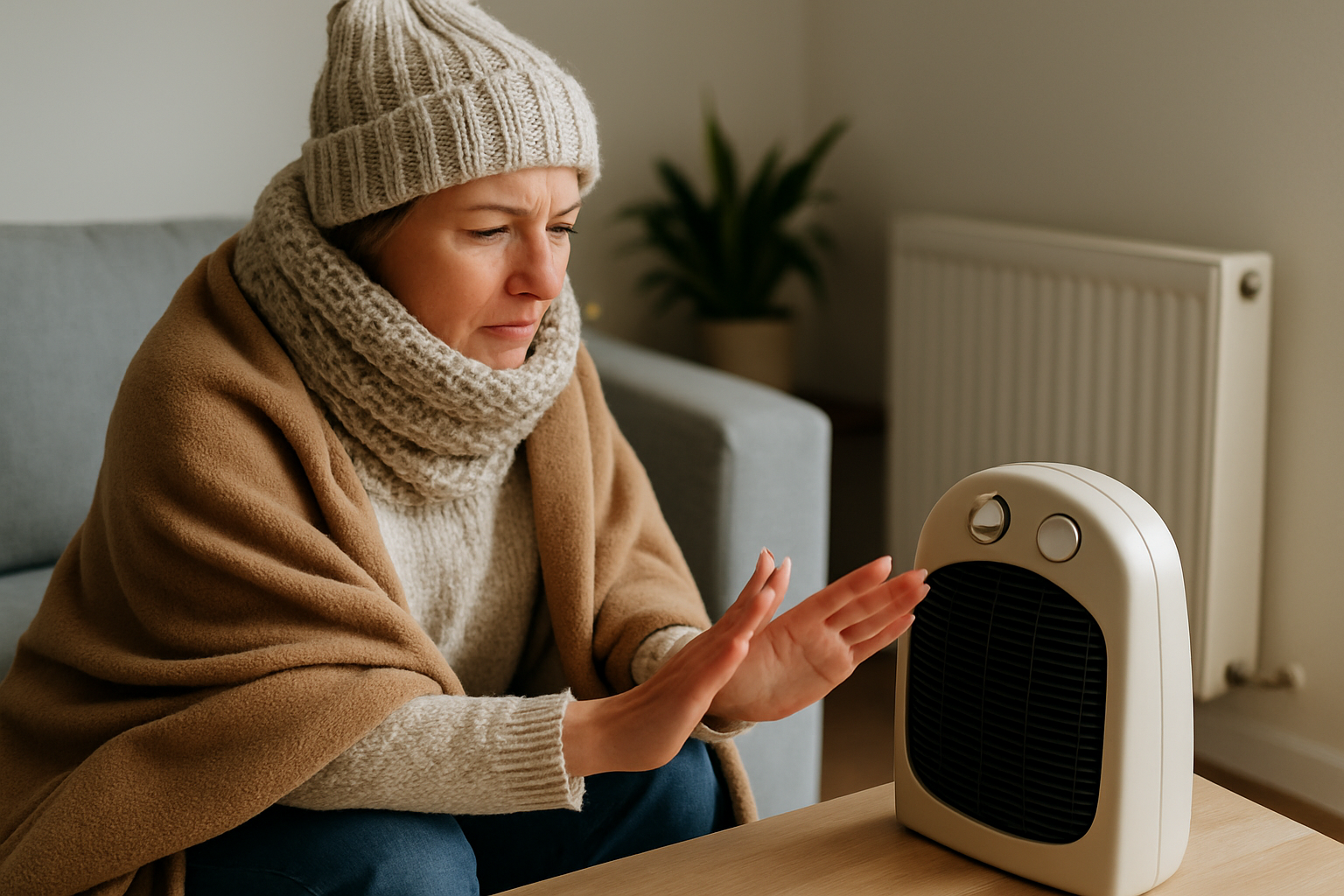
Space heaters are portable units designed to heat specific areas. They are generally less expensive to purchase and operate compared to central systems, especially for small spaces or rooms that are used frequently. However, it’s important to use them safely and efficiently, as they can pose fire risks if improperly managed.
Alternative Heating Methods
Alternative heating methods, such as wood-burning stoves or pellet stoves, can also be cost-effective. These options often rely on renewable resources and can provide a cozy atmosphere. However, they may require more maintenance and sufficient space to store fuel. Assessing your local resources and regulations is crucial before investing.
Key Points:
- Different heating systems have varying cost implications.
- Space heaters can be economical for targeted heating.
- Alternative heating methods may offer renewable options but require careful consideration.
💡 Evaluate the heating needs of your home to choose the most cost-effective system.
💡 Consider using space heaters in occupied rooms to save on heating costs.
💡 Research local regulations regarding alternative heating methods before installation.
Reducing Heating Costs
To minimize heating expenses, it’s essential to focus on energy efficiency and proper maintenance. Simple actions like sealing drafts, insulating your home, and maintaining your heating system can lead to significant savings. Additionally, utilizing programmable thermostats allows you to control temperatures based on your schedule, reducing unnecessary heating. Understanding your energy consumption and making adjustments can also play a vital role in lowering costs while keeping your home warm during winter months.
Insulation and Draft Sealing
Insulating your home and sealing drafts are two of the most effective ways to reduce heating costs. Check areas like windows, doors, and attics for gaps. Utilizing weather stripping and caulking can prevent warm air from escaping, significantly improving your home’s energy efficiency and reducing the workload on your heating system.
Regular Maintenance
Regular maintenance of your heating system is key to ensuring it operates efficiently. This includes changing filters, checking for leaks, and scheduling professional inspections. A well-maintained system not only lasts longer but also runs more efficiently, leading to lower energy bills throughout the winter.
Smart Thermostat Usage
Investing in a smart thermostat can help optimize your heating usage. These devices learn your schedule and adjust temperatures accordingly, ensuring that you’re not heating an empty home. By reducing the temperature when you’re away or asleep, you can save a substantial amount on your heating costs.
Key Points:
- Sealing drafts can lead to substantial energy savings.
- Regular maintenance improves system efficiency.
- Smart thermostats help manage heating costs effectively.
💡 Seal drafts and insulate your home to retain heat.
💡 Schedule regular maintenance for your heating system to improve efficiency.
💡 Utilize smart thermostats to optimize heating schedules and reduce costs.
Understanding Heating Options
When considering what’s the cheapest way to heat your home this winter, it’s essential to evaluate the various heating systems available. Each type has different operational costs and efficiencies. Common heating options include electric, gas, and wood heating systems. Understanding how each system works can help you make an informed decision, potentially leading to significant savings on your heating bill. Additionally, the local climate and energy prices can greatly influence which option is most economical for you.
Electric Heating Systems
Electric heating systems, including baseboard and space heaters, are often easy to install and can be cost-effective in areas with low electricity rates. However, they can be expensive to run in colder climates. It’s crucial to consider the local electricity costs and insulation quality of your home when using electric heating as your primary source.
Gas Heating Systems
Gas heating systems, such as furnaces or boilers, are typically more efficient than electric systems. They often provide more heat for less money, especially in regions where natural gas is affordable. However, installation costs can be higher, so evaluating long-term savings versus initial investments is important.
Key Points:
- Different heating systems come with varying operational costs.
- Evaluate local energy prices to determine the most economical heating option.
💡 Evaluate the efficiency of your existing heating system to determine if an upgrade could save you money in the long run.
💡 Consider using programmable thermostats to optimize heating schedules based on your daily routines.
Improving Home Insulation
To find the cheapest way to heat your home this winter, enhancing your home’s insulation is crucial. Good insulation can significantly reduce heating costs by keeping warm air inside and cold air outside. Key areas to focus on include attics, walls, and floors. Additionally, sealing gaps around windows and doors can prevent heat loss, contributing to a more efficient heating system and lower energy bills during winter months.
Insulation Materials
Common insulation materials include fiberglass, foam board, and spray foam. Each type has its pros and cons regarding cost, R-value (insulating effectiveness), and installation difficulty. Researching the best material for your home’s specific needs can lead to better energy efficiency and significant savings on heating costs.
Sealing Air Leaks
Air leaks around windows and doors can account for a significant amount of heat loss. Using weather stripping or caulking to seal these gaps is a low-cost solution that can improve your home’s overall energy efficiency. Regular checks and maintenance can help maintain warmth and reduce heating expenses.
Key Points:
- Improving insulation can significantly lower heating costs.
- Sealing air leaks is a cost-effective way to enhance heating efficiency.
💡 Perform a DIY energy audit to identify areas of heat loss and prioritize improvements.
💡 Use heavy curtains or thermal blinds to provide an extra layer of insulation on windows.
EXPERT TIPS Pro Advice
Consider zone heating.
Zone heating allows you to heat only the rooms you use most, reducing overall energy consumption and costs.
Invest in a smart thermostat.
Smart thermostats learn your heating patterns and can optimize energy use, leading to savings on your heating bill.
Regular maintenance is key.
Keeping your heating system well-maintained ensures it operates efficiently, preventing costly repairs and excessive energy use.
Frequently Asked Questions
Conclusion
Heating your home economically this winter requires strategic planning. Key methods include improving insulation, utilizing programmable thermostats, and considering alternative heating options. Regular maintenance of your heating system is essential for efficiency and cost savings. Implementing these strategies can significantly lower your heating bills.
🎯 Key Takeaways:
- Maximize insulation and seal drafts.
- Use programmable thermostats to manage heating.
- Consider energy-efficient heating options.
- Regularly maintain your heating system for optimal performance.
- Explore alternative heating methods for additional savings.
Expert Advice: Take proactive steps now to prepare your home for winter. Assess your heating options, make necessary improvements, and stay informed about energy-saving techniques to ensure your comfort without breaking the bank.
Start evaluating your home’s heating strategy today, and implement changes for a warmer, more cost-effective winter.
Leave a Reply